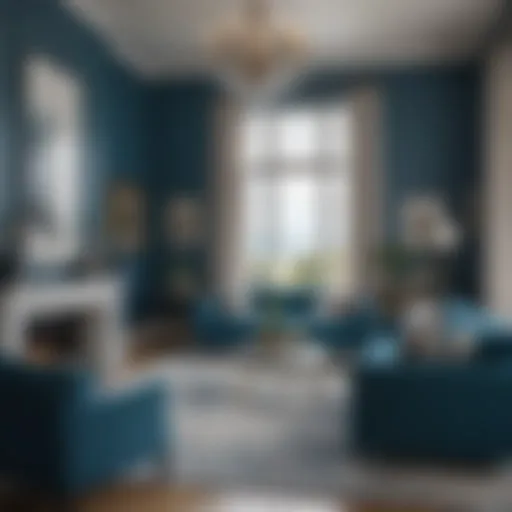
Classic Living Room Ideas: Timeless Design Insights


Intro
When walking into a classic living room, one often senses a certain je ne sais quoi—an intangible blend of elegance and comfort that characterizes timeless design. In this guide, we dive deep into what defines a classic living room, exploring furniture selection, color palettes, decor choices, and more. The goal is to craft a space that exudes sophistication while remaining profoundly functional.
A classic living room is not just about aesthetics; it’s where your family congregates, where you entertain guests, and where countless memories are made. With this in mind, let’s unravel the elements that create a living room that feels both luxurious and inviting, a true reflection of personal taste.
Classic Living Room Elements
Furniture Selection
The backbone of any living room is its furniture. In a classic space, individual pieces should speak to each other while reflecting a cohesive design style. Think about mixing materials such as rich mahogany or oak with elegant fabrics like velvet or linen. A chesterfield sofa, for instance, combines comfort with a touch of prestige, particularly when paired with antique side tables and ornate lamps.
- Key pieces:
- Chesterfield sofa
- Wingback chairs
- Coffee tables with intricate carvings
Opting for quality over quantity is crucial. Consider timeless silhouettes that resist passing trends. Each piece should be a conversation starter, echoing stories of craftsmanship and history.
Color Palettes
When it comes to color palettes, earth tones often epitomize classic elegance. Soft taupes, deep greens, or muted blues create depth without overwhelming the senses. Layer these hues with lighter shades in your textiles or accent pieces for a more dynamic look.
An effective strategy includes choosing a distinct color for a focal wall, utilizing wallpaper with subtle patterns, or even artwork that commands attention in a tasteful manner.
"A well-chosen color palette can transform a room and evoke desired emotions. Choose wisely!"
Decorative Lighting
Lighting serves as both a functional necessity and an artful element in a classic living room. Chandeliers made of crystal or wrought iron introduce a sense of grandeur, while table lamps with fabric shades provide softer, ambient lighting. Natural light should not be underrated; sheer drapery can allow daylight to filter through, adding warmth to your decor.
- Ideas for lighting:
- Statement chandeliers
- Vintage sconces
- Floor lamps with adjustable arms
Lighting can shape the mood of a space, making it essential to balance layerings between ambient, task, and accent lighting.
Decor Elements
To complete your classic living room, consider unique decor elements that truly make the space yours. This can include:
- Artwork: Select pieces that resonate personally, perhaps landscapes or abstract art that reflect your travels or heritage.
- Textiles: Layering various materials such as silk, cotton, and wool can elevate your space. Ornate rugs can anchor furniture while throw pillows add comfort.
- Accessories: Vintage items, books, or carefully chosen knickknacks can add warmth and character. Remember, too many trinkets can clutter a space, so choose items that tell a story.
Space Utilization
Maximizing space while maintaining comfort is key to a successful living room layout. Consider creating distinct zones within the room for different activities, like a reading nook filled with plush cushions or a play area for children. When arranging furniture, aim for conversational groupings that encourage interaction.
By considering the needs of those who will use the space, you can ensure a living room that is both functional and inviting.
The End
Creating a classic living room is an art form, marrying aesthetics with usability. By choosing the right furniture, color palette, and decor elements, you can craft a timeless space that feels both sophisticated and welcoming. When each element plays its part, the result is more than just a room; it becomes a sanctuary where elegance meets everyday life.
Understanding Classic Design Principles
The realm of classic design is not just about aesthetics; it embodies a philosophy grounded in harmony, elegance, and a deep respect for craftsmanship. Understanding these design principles can greatly enhance one's approach to creating a living room that is both gorgeous and functional. It’s crucial to grasp the underlying concepts, as they serve to unify various elements into a seamless and inviting space.
Definition of Classic Design
Classic design refers to a style that draws inspiration from historical periods, blending formal characteristics with modern sensibilities. It relies on fundamental principles that often include symmetry, proportion, and balance. The term "classic" itself suggests something evergreen; these designs withstand trends, providing a canvas that continuously resonates.
When describing classic design, three words come to mind: elegance, simplicity, and functionality. In a classic living room, it's not merely about arranging furniture aesthetically but about crafting a cohesive narrative that reflects timelessness.
Historical Context
The roots of classic design can be traced back to ancient civilizations, such as the Greeks and Romans, renowned for their architectural prowess and aesthetic ideals. Over centuries, this style has been interpreted and adapted through various periods, including the Renaissance, Baroque, and even neoclassical influences.
For instance, during the Renaissance, artists and architects revived ancient Greek and Roman ideas, focusing on symmetry and proportion. This historical knowledge is vital as it not only shapes our understanding but also guides modern interpretations. By associating with historical contexts, homeowners can infuse their spaces with layers of cultural significance and artistry.
Timeless Elements
Several key elements are often considered timeless in classic design. These are the building blocks that can be applied in various forms:
- Symmetry: This is about balance, where furniture is typically arranged in a way that mirrors itself across a central point.
- Rich Materials: Natural products like hardwood, marble, and premium fabrics hold an essential place in classic interiors, providing depth and texture.
- Traditional Patterns: Patterns such as damask or houndstooth, frequently seen in carpets and upholstery, add a sophisticated touch.
- Grandeur and Scale: Oversized furniture pieces or striking artwork contribute to a sense of presence.
Incorporating these elements not only brings sophistication into a living room but also ensures the design remains appealing across different times and tastes. Each aspect works in tandem, forming an inviting environment that feels both organized and luxurious.
"Classic design is the art of creating spaces that remain relevant and eye-catching, echoing the elegance of what has come before while integrating modernity."
By understanding these principles, one can navigate the intricate landscape of classic design. Creating a living room that echoes both contemporary needs and historical luxury becomes not just a task, but a creative journey.
Incorporating Luxurious Fabrics
When it comes to classic living room design, the fabrics you choose can make or break the ambiance of the space. Incorporating luxurious fabrics elevates the overall aesthetic and instills a sense of sophistication that resonates throughout the entire room. It's not just about comfort; it's also about creating a visual narrative that communicates elegance and style. Using high-quality materials not only enhances the tactile experience but also contributes to the durability and longevity of your furnishings.
Silk and Velvet
Silk and velvet have long been synonymous with luxury and opulence. Their unique textures can transform mundane upholstery into show-stopping centerpieces. Silk, with its shiny surface and soft feel, introduces an element of glamour. Think of silk curtains gracing your windows, swaying gently in a soft breeze. They invite natural light while offering just the right amount of privacy. On the other hand, velvet brings a richness and depth that can be irresistible. It's perfect for sofas or armchairs where coziness is key. The iridescent quality of velvet captures changing light, giving your living space a dynamic atmosphere.
However, both fabrics come with their own set of considerations. Silk can be delicate and may not withstand heavy wear, while velvet can attract dust and requires regular maintenance to keep it looking pristine.
"The right fabric can transform a space from ordinary to extraordinary, making it an essential consideration in achieving classic elegance."
Leather and Suede
Leather and suede introduce a different dimension into classic living rooms. Leather is known for its durability and timeless appeal. A leather sofa exudes confidence and sophistication. It ages beautifully, developing a patina that adds character over time. Meanwhile, suede offers a softer alternative, inviting touch and intimacy into a setting. Its nap provides a unique texture that can contribute warmth and subtle glamour.
Both materials come with their own quirks. Leather, while low-maintenance, can be susceptible to scratches and stains if not properly cared for. Suede, on the other hand, adds charm but demands more attention, as it can soak up liquids easily if not treated.
Natural Textiles
In a space where luxury is paramount, natural textiles provide both beauty and sustainability. Fabrics like linen and cotton blend sophisticated charm with comfort. Linen, known for its breathable quality, pairs well with warmer weather and brings an effortless elegance to cushions or throws. Cotton, versatile and easy to clean, can be utilized in various designs, from minimalist patterns to complex textures. The beauty of these textiles lies in their ability to balance style and practicality, which is essential in a classic living room.
A notable consideration with natural textiles is their propensity to wrinkle. Choosing high-quality, properly treated natural fabrics can mitigate this concern while still offering an inviting look that feels personal.
In summary, incorporating luxurious fabrics in your classic living room is about striking a balance between aesthetics, comfort, and resilience. These fabrics act as the backbone of the space, influencing how it feels and looks. By thoughtfully selecting materials like silk, velvet, leather, suede, and natural textiles, one can create a living environment that speaks not just of beauty, but of quality and care.
Color Palettes That Define Elegance
When it comes to classic living room design, color palettes play a pivotal role in establishing an atmosphere of sophistication and warmth. The harmony of colours not only affects the aesthetics of the space but also influences the emotional response of those who inhabit it. Colors can evoke feelings, set the mood, and even dictate the flow of energy throughout a room. Thus, understanding the significance of carefully curated color combinations is essential for any discerning homeowner or interior designer aiming to create a timeless living area.

Traditional Neutrals
Traditionally, neutrals form the backbone of most classic living rooms. Shades such as cream, taupe, beige, and soft grays establish a serene backdrop that allows other elements of design to shine without overwhelming the senses. These hues have the benefit of versatility, making them easy to pair with various accent colours and textures.
- Warm Neutrals: Using warm neutrals can give the space an inviting feel. For instance, a rich taupe may be used on walls, providing a backdrop that’s both cozy and elegant.
- Cool Neutrals: Counter to this, cool neutrals like light gray can create a serene sanctuary. These shades reflect light beautifully and can enhance the impression of space, making them ideal for smaller living rooms.
A classic touch can be achieved by incorporating various textures within these neutral tones, such as a plush velvet sofa or a silk throw pillow, enhancing the dimensionality while keeping the palette cohesive.
Accent Colors in Classic Design
Accent colours are where the personality of the room truly shines. In classic living rooms, it’s key to choose these colours wisely to align with the overall aesthetic. Think of tones like deep burgundy, royal blue, or forest green which can add depth and richness without straying from the classic vibe.
- Pop of Color: Perhaps a set of emerald green vases sits atop a cream fireplace mantle, drawing the eye and providing a focal point.
- Complementary Colors: It's important to ensure that accent colours complement the neutral base rather than compete with it. Consider using a soft blush or muted gold against a deeper shade for an added layer of elegance.
These accent colours are best introduced through accessories such as cushions, artwork, or even a classic armchair, enabling flexibility in design. Thus, changing these elements is much simpler and less of an undertaking than a full renovation.
The Role of Dark Shades
While lighter colours often dominate classic design, the strategic use of dark shades can profoundly impact a living room's elegance. Rich hues such as navy, charcoal, or even a deep plum can introduce a certain gravitas that invites sophistication.
- Defining Spaces: Dark shades work particularly well in larger rooms, helping to define spaces. For instance, a dark accent wall behind a couch can create a cozy nook without compromising the room's overall openness.
- Contrast and Balance: They can also serve to highlight lighter furniture or decor elements, creating a visual contrast that energizes the space.
Introducing dark shades requires careful thought; however, when done right, it can elevate the entire room's ambiance. A striking black coffee table or a bold charcoal armchair becomes a statement piece that captures attention in the most refined manner.
"A thoughtfully chosen colour palette does more than just decorate a space; it communicates a lifestyle and feel that resonates with the inhabitants."
Furniture Selection for Classic Living Rooms
Choosing the right furniture for a classic living room is not just about aesthetics but also about creating a sense of harmony and comfort within the space. Furniture serves as the backbone of any room, especially in a classic living room, where style and tradition meet. The selection reflects both personal taste and timeless design principles, fusing functionality with luxury.
Every piece of furniture should inspire a sense of sophistication while being practical enough to serve day-to-day needs. This dynamic balance directly affects how one experiences the space, necessitating a thoughtful approach to selection that considers quality craftsmanship and suitable materials.
"Selecting classic pieces is akin to curating a timeless gallery in your home. Every item tells a story, inviting guests to connect on a deeper level."
Signature Pieces
In a classic living room, certain items rise to prominence as signature pieces—these are the furniture elements that not only define style but also establish a conversation around rich craftsmanship and luxurious living. For instance, a grand tufted leather sofa or a intricately carved mahogany coffee table may serve as central focal points that embody elegance.
Consider the inclusion of historically inspired chairs, such as a Louis XVI bergère or a Victorian wingback chair, which can seamlessly blend comfort with timeless aesthetics. Antique or vintage items can also provide depth and character to the space, allowing one to express individuality while retaining an overarching classic theme.
Adding a well-placed settee can enhance social interaction, creating cozy nooks for intimate gatherings. The interplay of textures and styles must collaborate to depict a cohesive narrative across the entire room, aligning with the overarching design ethos.
Balance between Functionality and Aesthetics
Creating a classic living room involves carefully balancing aesthetics with functionality. Each piece of furniture should enhance the room's elegance without sacrificing everyday usability. For instance, while a beautifully designed side table can be stunning, it must also accommodate lamps, beverages, or books without clutter.
**When selecting furniture:
- Consider scale:** Objects should be proportionate to one another. Oversized sofas may dwarf petite coffee tables, while small chairs can be lost in expansive spaces.
- Evaluate comfort: Sophisticated design should never compromise on comfort. Ensure that each chair encourages relaxation and each sofa beckons for lounging.
- Think about durability: High-traffic areas require materials that withstand wear. Fabrics such as high-quality leather and tightly woven upholstery are ideal choices.
It's vital to engage all senses—how a chair feels when you sit down can be just as significant as how it looks.
Arranging Furniture for Flow
Once the pieces are selected, thoughtful arrangement becomes paramount in achieving visual flow and maximizing functionality. Classic design emphasizes symmetry, so consider pairing sofas with matching armchairs flanking a central coffee table. This setup invites conversation and ensures a well-organized appearance.
To facilitate an inviting environment:
- Create conversation areas: Position seating to encourage interaction without disturbing traffic patterns in the room.
- Encourage movement: Ensure that pathways are unobstructed, allowing easy movement throughout the space.
- Define zones: Use rugs or different furniture arrangements to subtly delineate areas for sitting, reading, or entertaining.
Lighting as a Design Element
Lighting is not just a functional aspect of interior design; it is the very essence that breathes life into a classic living room. Its importance cannot be overstated, as it amplifies architectural features, highlights artwork, and creates warmth in the space. Progressing beyond mere utility, lighting ventures into the realm of artistry and emotion. Thoughtful lighting design weaves together the various elements of a classic living room, allowing every corner to radiate elegance and sophistication.
Chandeliers: A Statement Piece
Chandeliers stand as the crowning glory of classic living spaces. These lighting fixtures embody elegance, often acting as the focal point around which the room is designed. From crystal designs that refract light beautifully to ornate metal chandeliers with intricate detailing, they can complement a variety of styles. A well-chosen chandelier can draw the eye upward, thus enhancing the perception of space and luxury.
When selecting a chandelier, consider the scale of the room. A petite fixture may get lost in a larger room, while a grand chandelier can become overwhelming in a more intimate setting. It's also essential to think about the height. Ideally, the bottom of the chandelier should hang about seven feet from the floor, allowing for ample headroom while creating a delightful visual impact.
"A chandelier is not just a light source but a declaration of taste, often setting the tone for the entire environment."
Layered Lighting Techniques
Effective lighting design involves layering various types of lighting — ambient, task, and accent. Each type serves its own purpose and contributes to the overall aesthetic of the space.
- Ambient lighting creates a general illumination in the room, often achieved through recessed lights or ceiling fixtures. Ambient lighting sets the stage by providing a warm glow without harsh shadows.
- Task lighting focuses on specific areas, such as reading corners or accentuating artwork. Table lamps, adjustable sconces, or floor lamps serve well here, allowing functionality without sacrificing style.
- Accent lighting adds drama. By using spotlights to highlight artwork or architectural details, it creates visual interest and depth. This interplay of different light sources enhances the layered look characteristic of classic design.
Implementing these techniques harmoniously will ensure your living room is never too bright or too dim, creating an inviting and versatile environment.
Natural Light Considerations
While artificial lighting plays a significant role, the presence of natural light cannot be overlooked. Large windows or strategically placed mirrors can enhance natural lighting. Mirrors reflect light, making the room feel larger and more expansive. Incorporating large windows or French doors allows sunlight to stream in, creating a lively atmosphere during the day.
However, balancing natural light can be a challenge. Light-filtering window treatments are essential. Drapes made from breathable fabrics like linen allow light while providing privacy, keeping the space airy without blocking out the sun entirely.
In essence, achieving a perfectly lit classic living room hinges on a blend of statement pieces, layered techniques, and the integration of natural light, all of which work together to foster an environment that is both functional and visually captivating.
Classic Decorative Elements
In the realm of classic living room design, decorative elements serve as the final flourishes that not only enhance the overall aesthetic but also communicate personal stories and tastes. The delicate interplay of antiquities, art, and reflective surfaces can create a space that is as inviting as it is sophisticated. When done correctly, these elements breathe life into a room, blending tradition with individual flair.
"Decorative elements are the heartbeat of a classic living room; they pulse with individuality and charm."
Antiques and Curiosities
Antiques bring a rich history to the living room, telling stories long forgotten. They are not merely older items, but rather pieces that encapsulate craftsmanship and artistry from bygone eras. When incorporating antiques, one shouldn’t just plop them down haphazardly. Here are some considerations:
- Choose Wisely: Select pieces that resonate with your personal history or evoke a memory. This could be anything from an ornate mahogany side table to a delicate porcelain vase.
- Mix and Match: A curated collection of antiques can lend a unique character. However, balance is key. Pair a vintage lamp with contemporary furniture to prevent the room from feeling dated.
- Curation Over Clutter: Too many antiques can overwhelm a space. A few well-chosen items can serve as focal points, drawing the eye without overwhelming the senses.
In essence, antiques are not just about nostalgia; they provide depth and context, anchoring the classic design in a rich narrative.
Artworks and Framing
Art has the power to transform blank walls into a canvas of personality and emotion. Classic design often showcases artworks that enhance the sophistication of the space. Here are some tips for selecting and displaying art:
- Think Big: A single large canvas can act as a statement piece, while smaller pieces can create a gallery wall effect. The latter works wonderfully when mixing different styles and periods, as this can add layers of interest.
- Frame It Right: The framing can make or break a piece. Opt for classic frames like gilded woods or ornate metal, which not only elevate the artwork but blend seamlessly with the overall decor. Avoid modern, minimalist frames that may jar against the classic style.
- Position Matters: Hang art at eye level for maximum impact. If you're using more than one piece, organize them in a cohesive manner—think symmetry or an intentional asymmetry that maintains visual balance.
Art not only fills the empty spaces but also sets the mood, drawing admiration from visitors and grounding the decor.

Mirrors and Reflective Surfaces
Mirrors are often underappreciated in interior design. They not only enhance the visual spaciousness of a room but can become exquisite decorative elements on their own. Here’s how to utilize mirrors in a classic living room:
- Strategic Placement: Position a large mirror opposite a window to maximize natural light. This not only brightens the space but makes it feel larger.
- Design Choices: Choose mirrors with ornate frames that reflect the era of your decor. Baroque or vintage looks often work well in classic settings. A cheery sunburst mirror can also introduce a burst of elegance.
- Layering Reflections: Use smaller decorative mirrors within a curated display. This layering approach offers depth and variety, capturing the eye without being overtly busy.
Reflective surfaces in general add a subtle sophistication, creating a dialogue between light and space that enhances the overall ambience of classic design.
In summary, classic decorative elements act as essential threads in the fabric of a well-crafted living room. Antiques, artworks, and mirrors each bring their distinct charm and character, fostering a timeless elegance that can be uniquely personalized.
Flooring Choices in Classic Design
When it comes to classic living rooms, the flooring often serves as the unsung hero. It lays the foundation upon which the entire aesthetic is built. The correct choice in flooring not only establishes the tone but also plays a crucial role in harmonizing the various design elements within the space. Therefore, understanding different flooring choices becomes fundamental for those looking to create a classic living room that is both visually appealing and functional.
Hardwood Flooring Options
Hardwood flooring stands as a quintessential choice for classic living room designs. It emanates a warm and inviting atmosphere, making it a popular selection among homeowners. There’s a variety of wood types to consider, such as oak, maple, and cherry, each providing its own unique grain and color variations.
- Oak: Known for its durability and prominent grain pattern, oak can enrich your living space’s character.
- Maple: Offers a smoother grain and lighter color, providing a contemporary touch while remaining timeless.
- Cherry: It flaunts a rich, reddish hue that deepens over time, adding a sense of heritage.
Using hardwood flooring also has its practical benefits. It’s long-lasting and can withstand the wear and tear of everyday life, making it an investment that pays off as years go by. Paired with the right finishes, your hardwood can shine while also complementing other classic elements in the room.
Rug Selection and Placement
Once you've settled on hardwood flooring, the next step often involves the careful selection of area rugs. Rugs can serve as an anchor within the living room, dividing space while adding warmth and comfort.
When selecting a rug, consider factors like size, texture, and color. Here are a few tips:
- Size Matters: A rug should ideally fit under your key furniture pieces, like the coffee table and sofas. Sizes can vary, but generally, larger rugs offer more definition.
- Texture Variety: Consider a plush shag rug to contrast with smooth hardwood or, perhaps, a traditional Persian rug to infuse artfulness and history into the room.
- Color Coordination: Choose colors that resonate with the room’s palette while providing a statement. Not too garish; instead, aim for harmonious integration.
Placement is just as critical. A well-placed rug can affect how one perceives the scale and layout of the space. Aim for a layout that invites conversation, often with seating arranged comfortably around the rug.
Mixing Textures for Depth
Finally, mixing textures adds depth to a classic living room and this extends to your flooring choices as well. While a hardwood floor provides a solid base, layering different textures creates visual interest.
Consider this approach:
- Contrasting Textiles: If you select a smooth hardwood, think about pairing it with a woven jute rug. The combination creates a beautiful contrast that captivates the eye.
- Complementing Finishings: If you have waxed hardwood, pairing with a more matte-textured area rug can provide a pleasing juxtaposition.
- Use of Accessories: Incorporate plush cushions or throws on furniture to harmonize with the various textures beneathfoot.
In short, the flooring choices play a pivotal role in establishing the overall tone of a classic living room. From selecting hardwood options and carefully selecting rugs to mixing textures, attention to these elements can elevate a typically bland area into a cozy and sophisticated retreat.
"The floor is the foundation of a happy space; get it right, and everything falls into place."
For further reading about flooring choices and styles, consider checking out resources like Wikipedia or Britannica for more insights.
Window Treatments That Enhance Elegance
Elegance in a classic living room is not just derived from furniture or wall colors; it is profoundly influenced by window treatments. These elements serve a dual purpose: they define the aesthetic appeal and dictate how light enters the space. In sum, choosing the right window treatments can enhance the overall elegance of a room while maintaining comfort and functionality.
Drapery Styles and Fabrics
Drapes can transform a room's atmosphere significantly. When selecting drapery styles, consider the scale of the room, the height of the windows, and even the color palette. For instance, floor-length drapes made from luxurious fabrics like silk or an elegant linen can create a sense of grandeur.
Popular Drapery Styles:
- Rod Pocket: A classic style where fabric slides directly onto a curtain rod, offering a soft, casual look.
- Grommet Top: This style features metal rings that slide over the rod, creating uniform pleats. It adds a contemporary touch to classic interiors.
- Pleated Drapes: A more formal option that offers structured elegance, particularly useful in larger living spaces.
The fabric plays a crucial role in achieving the desired effect. Heavy materials can offer a dramatic statement, while lighter fabrics will bring airiness. When dealing with bold colors or intricate patterns, it’s essential these harmonize with existing furnishings rather than clash.
Shades and Blinds for Functionality
Functionality should go hand-in-hand with style when it comes to shades and blinds. The right choice can provide privacy and light control while complementing the overall theme. Roller shades have gained popularity for their minimalist profile, particularly in rooms where clean lines are sought after.
Consider these options for window coverings:
- Roman Shades: These shades combine elegance with the convenience of functionality, often made from fabrics that enhance the existing decor.
- Vertical Blinds: Suitable for large windows, they offer versatility and maintain the classic aesthetic while controlling light effortlessly.
- Wood Blinds: Adding sophistication, wood options introduce natural elements, fostering warmth in the room.
Layering for Visual Interest
Layering window treatments can intensify a room’s character. This results in depth and dimension, which are often lacking in minimally dressed windows. Combining sheer curtains with heavier fabrics can produce both elegance and practicality.
Tips for Mastering the Art of Layering:
- Start with Sheers: They allow natural light to filter through while providing a certain level of privacy.
- Add Heavier Drapes: To frame the window and control light more effectively, heavier drapes can be tied back during the day.
- Texture Mixing: Combining different textiles like linen and velvet can not only heighten visual appeal but also enrich tactile experiences.
"Well-selected window treatments don't just dress a window; they frame the view and impact the mood of the room."
In summary, the elegance of a classic living room is deeply intertwined with thoughtful window treatment choices. They not only enhance aesthetics but also reflect the homeowner's taste and sophistication. Whether it be through luxurious drapery, practical shades, or layered designs, there are myriad ways to achieve that classic look while infusing personal style.
Creating a Cohesive Design Theme
A cohesive design theme acts as the backbone of a classic living room. It ensures that every piece, color, and texture are in harmony, creating a space that feels unified and thoughtfully curated. This is especially vital in classic interiors, where the elegance of individual elements shines through a well-defined aesthetic.
A well-planned theme binds together the various aspects of design, from furniture arrangements to color palettes, fostering a sense of completeness. When everything looks like it belongs together, it elevates the space, transforming it from mere living quarters to an elegant sanctuary.
Integrating Different Design Styles
Classic design is often seen as the foundation upon which many styles can build. However, integrating various design styles into your classic living room can introduce freshness while still retaining that timeless elegance. For instance, you could juxtapose vintage elements with modern accents. A French Louis XVI armchair paired with contemporary glass side tables can create a striking visual dialogue.
When merging styles, consider the following:
- Color Consistency: Ensure that any additional styles harmonize with the primary color scheme. For example, if your base is a deep navy, adding a few pastel hues can provide contrast without straying too far from classic roots.
- Shared Materials: Use similar materials that complement each other. Mixing wood finishes can work if they share a common undertone. A mahogany coffee table paired with oak frame chairs can create a subtle balance.
- Textural Harmony: Variations in texture, like combining leather with soft textiles, can keep the design interesting. This level of detail enhances the room's tactile experience while remaining cohesive.
Personal Touches in a Classic Space
Incorporating personal touches into a classic living room allows homeowners to infuse their own stories and memories into the design. This is where individuality meets tradition, creating a space that reflects personal taste without sacrificing the elegance of classic design.
Here are ways to add your personality:
- Artwork: Selecting art that resonates can serve as focal points. A contemporary painting might contrast beautifully with antique furniture, adding character and intrigue.
- Family Heirlooms: Embracing inherited pieces can lend authenticity to your design. A grandparent’s vase or a unique sculpture can tell a story, grounding the room in history while representing family values.
- Travel Souvenirs: Integrating items collected from travels can infuse the space with excitement. A Moroccan rug or Italian ceramics can act as conversation starters and beautifully complement classic aesthetics.
"Design is not just what it looks like and feels like. Design is how it works." – Steve Jobs
Achieving cohesion doesn’t mean your living room should look uniform; rather, it should feel connected through careful choice and placement of elements. By integrating different design styles thoughtfully and including personal items, one crafts a classic living room that is distinctively their own.
The Role of Art in Classic Interiors
Art holds a significant position in the tapestry of classic interior design. It adds depth, character, and a touch of intimacy to living spaces. In a classic living room, art is not just decoration; it embodies personal expression and creates a captivating ambiance. The right piece can spark conversation or bring a sense of serenity, depending on the choice of artwork. Incorporating art thoughtfully within the traditional design framework allows homeowners to display not just creativity, but also to reflect their tastes and lifestyles.

When considering the role of art, one must think about both visual impact and emotional weight. You could go for something vibrant to liven up the space or a calming landscape that brings a sense of peace. Art can elevate the aesthetic value of a room, transforming it from mundane to extraordinary. Even a small, carefully chosen piece can serve as a focal point in an otherwise neutral setting, whispering elegance and sophistication.
"Art enables us to find ourselves and lose ourselves at the same time." – Thomas Merton
Gallery Walls vs. Singular Focus
The gallery wall trend offers a blend of artistic expression mixed with classic aesthetics. When done right, it can adds a vibrant layer of texture and color. Imagine a wall adorned with carefully curated pieces; drawings juxtaposed with large statement paintings, maybe even a family portrait against a backdrop of classic wallpaper. The symmetry or asymmetry of a gallery wall can dictate the room’s flow, making it either formal or welcoming. However, balance is key. Avoid overcrowding; let each piece breathe on the wall.
On the flip side, opting for singular focus art pieces allows for more dramatic statements. A grand painting can demand attention without competing for the spotlight. This can be especially effective in larger spaces where a single artwork can dominate and anchor the room. Think of a large abstract piece positioned above a traditional mantel. It offers contrast and draws the eye, creating a harmonious focal point that speaks to both contemporary and classic sensibilities.
Choosing Art that Speaks to You
Selecting art is deeply personal. It's like a reflection of your inner self; it should resonate with your emotions, passions, and experiences. Don’t shy away from selecting pieces that are meaningful, whether it’s a family heirloom or a contemporary piece that sparked joy during your travels.
When choosing art, keep in mind the color palette of your living room. Ensure the artwork not only matches your aesthetic but also enhances the space. Consider how each piece will interact with its surroundings. It is also worth thinking about the scale; larger rooms can accommodate bigger canvases, while smaller spaces are better suited to more modest pieces.
In addition, you might want to explore art from local artists or galleries, nurturing community talent while also bringing unique narratives into your home. As a bonus, this practice often results in one-of-a-kind pieces. This brings a conversation starter aspect to your decor—each piece tells a story, adding layers of meaning to your classic living room.
Sustainable Choices in Classic Living Room Design
In the pursuit of creating a classic living room that embodies elegance, sustainability often gets relegated to the background noise of design discussions. However, aligning your aesthetic aspirations with eco-friendly practices not only enhances the living environment but also reflects a commitment to responsible living. This section shines a light on the sustainable choices that can effortlessly complement classic design elements while preserving the earth’s resources.
Eco-Friendly Materials
When it comes to constructing a living space that stands the test of time, the materials used play a pivotal role. Opting for eco-friendly materials is a step towards luxurious living that doesn't compromise the planet.
Wood Choices: Select reclaimed wood, sourced from old buildings or barns, which not only adds character but also contributes to sustainable forestry practices. The rich textures and stories embedded in reclaimed wood bring warmth and uniqueness to your living room.
- Consider bamboo, a fast-growing alternative, known for its durability and aesthetic appeal. Not only is it a renewable resource, but it also absorbs carbon dioxide more effectively than traditional hardwoods.
Natural Stone: Materials like slate or limestone provide luxury underfoot, but opting for local sources minimizes transportation emissions—making this choice doubly beneficial.
Organic Fabrics: Look for upholstery made from organic cotton, linen, or ethically-sourced wool. These materials not only exude a high-end look but also help support sustainable farming practices.
By consciously selecting environmentally-friendly materials, one can create a classic living room that feels both luxurious and responsible, appealing to homeowners who appreciate elegant craftsmanship without the environmental compromise.
Long-Lasting Furniture Selections
Furniture plays a key role in defining a living room's character. Choosing pieces that are not only timeless but also built to last is crucial in both classic design and sustainability.
Quality Over Quantity: Invest in well-made furniture. Look for brands known for their craftsmanship, often using traditional joinery techniques. Solid wood frames and high-quality upholstery may be pricier upfront, yet they promise durability and lower turnover over time.
Classic Styles: Consider pieces that have a timeless quality such as a Chesterfield sofa or a solid oak coffee table. Designs that are versatile can adapt with changing trends without losing their allure.
- Avoid trends that fade quickly; instead, select shapes and colors that maintain relevance.
Second-Hand Reverie: Vintage furniture not only suits a classic aesthetic but also reduces the demand for new production. A well-worn settee, complete with its unique history, can become the focal point of your room.
In essence, the choices made in selecting long-lasting furniture should be guided by a balance of appearance, comfort, and sustainability, contributing to a classic living room environment that remains inviting and stylish for years to come.
"Sustainable choices in design don’t just support the environment; they create lasting value that transcends trends."
Ultimately, marrying the principles of classic design with sustainable practices creates a living space that is not only stunning but also in harmony with the natural world.
Combining Technology with Classic Design
In the fluid world of interior design, blending technological advancement with classic aesthetics is not merely a trend; it is an essential evolution. As our lifestyles become interwoven with smart technologies, it is important to maintain the charm of traditional elegance while embracing modern solutions. This synergy allows for an enriching experience that caters to both the eye and functionality, creating spaces that are not just pleasing to the look, but also to daily living.
While the classic design exudes sophistication through its colors, materials, and layouts, integrating technology can enhance comfort, convenience, and energy efficiency without sacrificing the visual appeal. Still, it requires thoughtful consideration, ensuring that the tech elements blend seamlessly into the design.
Discreet Technology Integration
When it comes to merging technology with classic design, discretion is key. The aim is to ensure that technological features enhance the space rather than overshadow it. For example, consider using built-in speakers that are hidden within the architecture of the room. These can be seamlessly integrated into the walls or ceilings, ensuring that they provide sound quality without being visually intrusive.
Moreover, smart thermostats can be tucked away in decorative frames, adopting the appearance of a vintage clock or an ornate picture frame. This approach allows modern conveniences without disrupting classic charm.
Another clever option is camouflage wiring; utilizing baseboards or wall moldings designed to discreetly hide the multitude of wires that come with modern technology. This keeps the streamlined look of classic design intact while giving options for entertainment and convenience.
Smart Home Features in Classic Spaces
In the age of smart homes, features such as automated lighting, temperature control, and security systems can elevate the living experience significantly. Smart light bulbs that can adjust brightness through mobile apps not only enhance ambiance but also promote energy efficiency — leaving a lighter footprint without losing style.
Consider installing automated window treatments that can open or close based on the time of day or lighting conditions. This maintains privacy and comfort while also protecting furniture from harmful UV rays, thus prolonging its lifespan.
Furthermore, incorporating a smart thermostat like the Nest Learning Thermostat allows homeowners to observe energy patterns and optimize heating and cooling while maintaining the aesthetic integrity of the living room. These devices, when thoughtfully integrated, ensure that the space remains luxurious and comfortable, combining age-old elegance with cutting-edge convenience.
"A well-designed living room tells a story, one that respects its history while welcoming innovation."
In summary, marrying technology with classic design is not just about adding gadgets; it is about enriching the living experience while respecting the historical grandeur. By taking a nuanced and careful approach to integrate these two worlds, homeowners can craft a living room that embodies luxury, sophistication, and modernity.
Maintaining a Classic Living Room
In the realm of classic living room design, maintaining a space that exudes timeless elegance is not merely a matter of aesthetic appeal; it's an ongoing commitment to preserving an atmosphere of sophistication. A classic living room is often the heart of the home—a space where memories are made and cherished. Therefore, ensuring its upkeep is paramount for those who value their investment in fine furnishings and artwork. Additionally, a well-maintained living room can serve as a reflection of personal style and tranquility. This section delves into key aspects of maintenance, emphasizing its significance in sustaining the integrity of classic design.
Cleaning and Care for Fabrics and Furnishings
The fabrics and furnishings in a classic living room are usually of high quality, often made from materials like silk, velvet, or leather. To prolong their beauty and durability, a regular cleaning regime must be established.
- Vacuuming Upholstery: Regularly vacuuming furnishings to remove dust and dirt manages wear and tear on fabric fibers. Using an attachment with a soft brush is ideal, as it prevents damage while effectively cleaning.
- Spot Cleaning: Accidents happen. For spot cleaning, having a gentle upholstery cleaner on hand can prevent stains from setting in. Always test a small, inconspicuous area before applying any cleaner to ensure it does not damage the fabric.
- Professional Cleaning: About every year or two, a deep clean may be necessary. Professional cleaning services often have access to specialized techniques and products that can breathe new life into your furniture without causing harm.
- Protective Treatments: Applying a fabric protector can be beneficial. It guards against spills and stains, making the cleaning process much easier and safeguarding your investment.
Updating Classic Elements over Time
Even the most timeless designs require a bit of refreshing from time to time. Updating elements in a classic living room does not mean overhauling its style; it’s about infusing the space with new vibrancy while keeping its core aesthetic intact.
- Incorporate Trendy Accents: Consider introducing accent pieces like throw pillows, decorative art, or even a new coffee table that complements the classic elements. This keeps the room from feeling stagnant without clashing with its foundational style.
- Rearranging Furniture: Changing the layout of your space not only creates a fresh perspective but also fosters new interactions within the room. A different arrangement can make classical furniture feel entirely new without any expenditures.
- Layering Textures: Introduce different textures through rugs, blankets, or accessories to create depth. This can significantly enhance the visual appeal while maintaining that classic essence.
- Updating Color Palette: While core colors often remain consistent in a classic space, subtle shifts can be made. This may involve repainting with a softer hue or introducing a new element in a trendy color that still respects the existing scheme.
"Classic design is not just about sticking with the tried and true; it’s about knowing when to embrace the new within the established."
Maintaining a classic living room is about more than just aesthetics. Through attentive cleaning and thoughtful updates, homeowners can create a living space that remains both functional and strikingly beautiful over the years. Each decision made in terms of care and maintenance is ultimately a thoughtful expression of the homeowner's taste and appreciation of classic design.
Ending: Personalizing Classic Design
Personalizing classic design is not just about throwing some family heirlooms onto a well-arranged couch. It’s an opportunity to infuse your individuality into traditional styles, bridging the past with the present in a way that tells your story. Classic design principles lay a foundation of elegance and sophistication, yet the true charm blossoms when the personal touches enter the mix.
When you think about classic living rooms, imagine a space filled with elements that resonate with who you are. It can be as subtle as choosing an artwork that evokes cherished memories or as daring as mixing antique furniture with modern pieces to create an unexpected visual dialogue. Incorporating your favorite colors or family heirlooms into your living space can elevate the ambiance from merely stylish to truly memorable.
The blending of timeless aesthetics with personal elements can lead to a living room that feels uniquely yours and not just a showroom replica. Consider Moroccan tiles or intricate moldings alongside heirloom photographs—these elements serve not just as decorations but as windows into your life’s narrative.
Benefits and Considerations
- Emotional Connection: Personalizing a living space creates a connection. It transforms a room into a sanctuary that reflects preferences, experiences, and familial ties.
- Innovation within Tradition: While it’s tempting to follow strict classical norms, it’s worth experimenting within those frameworks. Consider vintage frames for modern art pieces or throw pillows in contemporary fabrics atop traditional furniture.
- Sustainability: Incorporating second-hand or vintage items can express a commitment to sustainability while remaining stylish. Every chosen piece can have its own story, adding to the personality of your space.
- Flexibility and Evolution: Embracing personalization allows a living room to evolve. As preferences change or family grows, the decor can adapt, signaling transitions in life while remaining anchored in a classic base.
Ultimately, the goal of a classic living room infused with personal touches is to create an inviting space that resonates comfort and elegance. It should be a place where every visitor feels the warm nuances of your style. As one wisely stated, "A house is made of walls and beams; a home is built with love and dreams."
Remember, classic design isn't about suffocating your individuality; it’s about enhancing the inherent grace of traditional elements with the unique character that only you can offer.
For additional insights on design principles, consider exploring resources on Wikipedia or Britannica.