
Exploring the Role of Flowering Plants Today

Intro
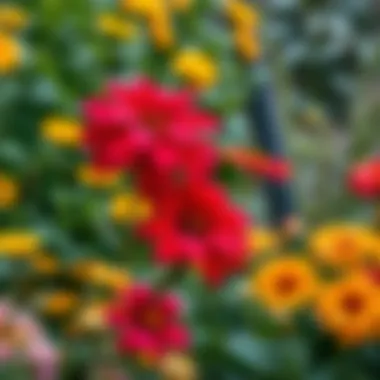
The modern landscape of flowering plants unfolds as a vibrant tapestry woven with colors, textures, and fragrances, playing a pivotal role in both ecological balance and aesthetic charm. They are not only a feast for the eyes but also essential contributors to our environment. In today's world where urban spaces expand rapidly, these botanical wonders offer respite, enhancing both the visual appeal and environmental integrity of our surroundings.
From the botanical artistry seen in community gardens to the intricate arrangements in luxury homes, flowering plants are becoming the backbone of outdoor decor, providing myriad benefits. Understanding their significance is crucial for enthusiasts and professionals aiming to create spaces that harmonize beauty with nature’s ecological needs. Through this exploration, we will delve into the key aspects of flowering plants in contemporary interior and exterior design, helping to foster a deeper appreciation of their roles.
Outdoor Decor Ideas
Seasonal Inspirations
The seasons provide a brilliant canvas for the art of landscaping with flowering plants. Spring heralds the vibrant bursts of daffodils and cherry blossoms, drawing forth the smiles from even the grayest days. Summer offers a cornucopia of rich greens and colorful blooms like the radiant dahlias and hibiscus, perfect for al fresco settings. As autumn sets in, the chrysanthemums and asters bring warm hues that mimic the falling leaves, shifting into cozy feelings as winter arrives with its stark charm, where evergreen plants stand resilient against the frosty backdrop.
Furniture Selection
Blending flowering plants with outdoor furniture can transform any mundane space into a serene retreat. Opt for pieces that harmonize with your chosen flora. For instance, teak furniture complements vibrant petunias and geraniums beautifully, offering a warm contrast against the lush greens. Additionally, selecting furniture with clean lines helps to accentuate the natural beauty of the plants, creating visual balance. Consider durable materials like aluminum or resin that can withstand the elements while showcasing flowering plants splendidly.
Decorative Lighting
Lighting plays a vital role in setting an ambiance. Imagine soft, warm lights illuminating a garden path lined with magnolias in bloom, creating a magical evening experience. String lights can weave among trellises as they cradle climbing roses, enhancing their whimsical nature. Options like solar-powered lanterns can not only decorate but also showcase sustainability, offering a modern touch to the old-world charm of garden spaces.
Plant Arrangements
Arranging flowering plants isn't merely a matter of placing them in the soil; it’s a meticulous craft. Layering plants, such as tall sunflowers at the back, mid-height zinnias in the middle, and trailing lobelias in front, creates depth and movement, guiding the eye through the landscape. To further enhance arrangements, consider the color wheel—placing complementary colors together can add drama, while analogous colors provide a more serene atmosphere.
Hardscaping Solutions
Integrating hardscaping elements like pathways, patios, and walls alongside flowering plants provides structure and function to outdoor areas. Using natural stone or reclaimed wood can blend seamlessly with the organic forms of plants. For instance, a flagstone path meandering through dense clusters of lavender and echinacea not only serves a purpose but elevates the aesthetics, inviting exploration through thoughtful design.
Sustainable Practices
Sustainability is no longer an option; it’s a necessity. Adopting native species, which require less water, reduces the carbon footprint and encourages local wildlife. This practice is essential in urban landscapes where biodiversity is often compromised. Furthermore, companion planting can enhance growth and deter pests, creating a resilient ecosystem with minimal intervention. Using organic fertilizers and rainwater harvesting systems can also augment plant health while keeping your ecological impact in check.
Preface to Flowering Plants
Flowering plants, or angiosperms, are more than just a visual delight; they form the backbone of numerous ecosystems and serve as pivotal elements in modern horticulture. Their diverse shapes, colors, and scents not only enhance gardens and indoor spaces but also contribute significantly to environmental health. In an age where sustainability and ecological balance are increasingly prioritized, understanding these plants' roles becomes essential for anyone in landscape design, luxury events, or even fine dining environments.
One might say that flowering plants are like nature's art—each petal and leaf telling a story, contributing not just to aesthetics but also to air quality and soil health. Moreover, they form vital relationships with pollinators, enabling ecosystems to thrive. As more professionals gravitate towards environmentally mindful practices, having a clear grasp of flowering plants can aid in crafting landscapes that are as entertaining as they are sustainable.
In the following subsections, we will explore the definition of flowering plants and their historical significance, tracing back to their emergence and evolution. By understanding their roots—pun intended—we can appreciate the role they play in our lush, thriving environments today.
Defining Flowering Plants
Flowering plants, or angiosperms, are distinguished by their ability to produce flowers, which carry the reproductive structures necessary for seed production. Unlike their non-flowering relatives—like ferns and gymnosperms—flowering plants showcase a broad diversity in form and function.
Botanically speaking, a flower is an intricate assembly of specialized leaves designed to facilitate reproduction. Flowers can be solitary, like the elegant lily, or clustered in majestic arrangements, exemplified by the vibrant spiraea. Characteristics of flowering plants also include the formation of fruits that house seeds, fostering not only reproduction but also serving as food sources for various organisms.
Thus, flowering plants serve an essential role in ecosystems, providing nourishment and habitats for countless species.
Historical Significance and Evolution
The story of flowering plants is a long and fascinating one, dating back to more than 130 million years. They emerged during the Cretaceous period, revolutionizing ecosystems as they adapted to diverse environments. Their early presence sent ripples through the Earth’s surface, prompting the evolution of organisms reliant on them, from insects to herbivorous mammals.
Throughout history, flowering plants have influenced human societies. Early agricultural practices were built around these plants, shaping diets, economies, and cultures. For example, the domestication of wheat and rice laid the foundations for civilizations; these flowering plants became staples that fed growing populations. Their aesthetic appeal also captured human imagination, inspiring poetry, artwork, and design.
Today, as we survey the current landscape of flowering plants, it is clear their historical significance continues to resonate. They symbolize growth and resilience, serving as a reminder of our connectedness to nature. In harnessing their beauty and productivity, professionals in various fields can cultivate spaces that honor tradition while promoting forward-thinking ecological strategies.
Current Trends in Horticulture

The world of horticulture is a dynamic one, constantly evolving to meet both aesthetic demands and ecological responsibilities. In today’s landscape, understanding the current trends in horticulture is vital for professionals and enthusiasts alike. These trends are not merely fads but rather reflections of deeper societal shifts and ecological awareness that underline the significance of flowering plants in our lives.
The incorporation of flowering plants into our daily environments can greatly enhance not just the beauty of spaces but also promote well-being and sustainability. As we explore this subject, we’ll touch on popular varieties of flowering plants and innovative cultivation techniques that are redefining the horticultural landscape, catering specifically to a discerning clientele engaged in luxury living and high-end design.
Popular Varieties of Flowering Plants
When it comes to contemporary horticulture, variety is key. The selection of flowering plants today extends beyond mere aesthetics to consider factors such as resilience, adaptability, and ecological benefits. Some of the most sought-after varieties today include:
- Peonies: Renowned for their luscious blooms and rich colors. Ideal for high-end gardens and events.
- Orchids: These exotics are not just beautiful; they symbolize luxury and elegance, perfect for upscale interiors.
- Hydrangeas: Their ability to change color based on soil pH gives them a unique appeal, making them great for personalized garden designs.
- Japanese Cherry Blossom: This plant is an emblem of ephemeral beauty and cultural significance, often sought after for luxury outdoor spaces.
- Roses: Classic choice, particularly heirloom varieties, which bring nostalgia and timeless beauty.
These flowering plants do not solely serve an aesthetic purpose; they can enhance biodiversity, serve as pollinator attractors, and contribute to urban greening. Incorporating these varieties into designs not only elevates the visual appeal but also serves to create a more sustainable environment, intertwining luxury with nature's essential roles.
Innovative Cultivation Techniques
In recent years, innovative cultivation techniques have gained traction, inspired by the need for sustainability and efficiency. Many of these methods are tailored specifically for high-end applications where both quality and environmental responsibility matter.
- Vertical Gardening: This method allows for the optimal use of space, especially in urban settings. By growing plants upward rather than outward, it maximizes light exposure and reduces land use while providing an impressive visual element.
- Hydroponics: Growing plants without soil can yield remarkable results. Hydroponic systems provide nutrients directly to the roots, promoting faster growth. This technique is especially popular among urban dwellers who may have limited access to traditional gardening space.
- Permaculture Principles: Emphasizing sustainable and self-sufficient agricultural ecosystems, incorporating permaculture principles into high-end landscaping can provide long-lasting results that benefit both clients and the environment.
- Soil Health Innovations: With growing concerns around soil degradation, new approaches to enriching soil with organic materials and beneficial microorganisms are becoming mainstream. Healthy soil is critical in maintaining lush flower gardens, ultimately impacting the vibrancy of flowering plants.
- Utilizing Technology: Advances in smart gardening technologies, including the use of sensors to monitor plant health, are increasingly adopted in high-end horticulture. Automated systems can significantly reduce maintenance and promote optimal growth conditions.
These innovative techniques align with the luxury lifestyle, capturing the essence of modern aesthetic desires while remaining conscious of the ecological impact. The flowering plants fostered through these methods serve a dual purpose — delighting the senses while contributing positively to the environment.
"Adorning our spaces with flowering plants is not merely a luxury, it’s an investment into our own well-being and the health of our planet."
Through understanding and adapting to these trends, professionals in design, event planning, and luxury consulting can create environments that not only satisfy visual aesthetics but also promote sustainable practices and biodiversity.
Designing with Flowering Plants
Creating a thoughtfully designed space, especially one that showcases flowering plants, can elevate any setting. Flowering plants are not simply aesthetic additions; they serve to forge connections between the environment and human experience. Careful design choices can cultivate a sense of tranquility and visual appeal and promote emotional well-being.
When considering flowering plants in design, several elements come to the forefront, each playing a vital role in achieving an impressive visual narrative.
Enhancing Outdoor Living Spaces
Outdoor living areas have been gaining popularity, serving as extensions of homes rather than mere yards. Integrating flowering plants can transform these spaces into lush retreats. The selection of colors, textures, and scents enhances the environment, making it more inviting.
- Layering: By planting flowers at different heights, you can create depth. Taller plants at the back of a flowerbed paired with shorter ones in the front allow each flower the chance to shine, as they frame each other beautifully.
- Seasonal Blooms: Choosing plants that bloom at various times creates continuous visual interest. Imagine a sequence that begins with the vibrant daffodils of spring, transitions through the radiant summer roses, and culminates in the warm hues of fall asters.
- Living Screens: Tall flowering plants, such as sunflowers or hollyhocks, can act as natural privacy screens. They provide just the right amount of seclusion while enhancing the outdoor aesthetic.
Flow and Aesthetic Principles
The principle of flow involves creating a harmonious movement within the landscape. This concept can be well-expressed by positioning plants to direct the eye through their arrangement. When you think about flow, consider the following:
- Color Blocking: Strategically clustering plants of similar colors can produce bold visual statements. For example, a riot of purple and white petunias can evoke a serene garden spirit, while bold reds and yellows can energize a space.
- Texture Variation: Mixing flowering plants with varied textures—such as the softness of lavenders alongside the sharp foliage of succulents—creates an engaging tactile experience. This variance invites interaction, subtly encouraging guests to touch and appreciate the environment.
- Plant Groupings: Grouping different plant species together can imitate natural communities in nature. Following this idea echoes the design found in wildflower meadows with diverse blooms.
Seasonal Considerations in Plant Selection
Understanding the seasons is crucial when designing with flowering plants. Choosing the right plant for the right season can be the difference between a vibrant landscape and a bleak one.
- Spring: Plants like tulips and hyacinths herald the arrival of life after winter, creating anticipation.
- Summer: Consider the vibrant, sunny marigolds and the timeless appeal of delphiniums, which thrive in the warmth.
- Fall: A focus on hardier plants like chrysanthemums ensures your garden remains lively through to the colder months.
- Winter: Evergreens and even some cold-resistant flowers, like hellebores, can provide a touch of color and texture when everything else is dormant.
These considerations make clear that designing with flowering plants is both an art and a science, demanding an understanding of ecology alongside creativity. By melding form and function, we achieve not just beautiful landscapes but thriving ecosystems that enchant and amaze.
The Ecological Role of Flowering Plants
Flowering plants, known scientifically as angiosperms, fill an indispensable role in our ecosystems, acting as the backbone of many ecological networks. The intricate relationships they forge with other organisms, particularly pollinators and herbivores, position them as crucial players in the sustaining of biodiversity. These plants provide food, habitat, and other ecosystem services that underpin the very fabric of life.
Pollination and Ecosystem Services
Flowering plants are synonymous with the pollination process, where many species rely on insects, birds, and sometimes even the wind to facilitate the movement of pollen. This symbiotic relationship is not simply a matter of convenience; it is vital for reproduction in about 75% of flowering plants. In gardens and farms, the presence of diverse flowering plants can enhance the abundance of pollinators, which subsequently leads to increased yields of fruits and seeds.
- A vital service: Pollination ensures genetic diversity, which is crucial for plant health and resilience against diseases. Without it, many of the foods that graced the tables of luxurious feasts would disappear.
- Ecosystem balance: Flowering plants help maintain soil health and regulate water cycles, thereby preventing erosion and contributing to the stability of ecosystems. These aspects are particularly relevant in landscape design for high-end residential projects, where lush gardens can contribute to environmental sustainability.
"In every flower lies ecological harmony, reflecting nature's delicate balance."
It’s easy to overlook this when admiring a garden's beauty; however, each blossom serves a greater purpose. Whether it’s the flamboyant bloom of the peony or the subtle elegance of a jasmine vine, they each attract their unique pollinator, facilitating a cycle of life that extends far beyond mere aesthetics.
Supporting Biodiversity
The role of flowering plants extends beyond their direct contributions to ecosystems. They form the foundation of food webs, supporting a myriad of wildlife. From nectar-feeding bats to herbivorous insects, these plants contribute to a diverse community of flora and fauna. This diversity itself is crucial; healthy ecosystems are those that can adapt and respond to changes, be they environmental shifts or human intervention.
- Habitat creation: Flowering plants provide vital habitats. The variety of shapes, sizes, and colors cater to different species, ensuring that numerous animal and insect communities can thrive. A well-planned garden integrating native flowering plants can support local ecosystems, enhancing biodiversity right in the heart of urban settings.
- Food source: They serve as a primary food source not only for pollinators but also for other animals, such as deer and birds. This interconnectedness adds layers to the food web and enhances the ecological tapestry of an area.
As we look toward planning future landscapes, understanding the integral role of flowering plants in supporting biodiversity becomes paramount. For high-end interior designers and landscape architects, the inclusion of indigenous flowering varieties not only elevates the visual appeal but also contributes positively to local ecosystems.
In summary, flowering plants do much more than brighten our world. They weave together the complex interactions that sustain ecosystems, providing invaluable services that enrich life both for humans and the myriad of species we share our environment with.
Challenges Facing Flowering Plants
The myriad challenges facing flowering plants today cannot be understated; this topic holds critical importance for understanding how these botanical beauties can thrive amidst adversity. Environmental changes, invasive species, and shifts in consumer behavior are not mere footnotes in the larger narrative of horticulture and garden design. Rather, they serve as a stark reminder of the increasingly complex relationship humans have with nature, where both conflict and collaboration are in play.
Climate Change Impacts
As the global climate shifts, so too does the landscape for flowering plants. Rising temperatures and irregular weather patterns have left many species struggling to adapt. For instance, just think about the delicate peony: traditionally a staple in many gardens, it finds itself increasingly subjected to erratic rainfall and extreme heat. Such instability disrupts not just their blooming cycles but also the critical pollinators that rely on them for sustenance.
- Temperature Inequality: Various species have specific temperature thresholds they thrive within. Exceeding these can lead to early blossoming, which is often out of sync with pollinator activity. This misalignment can jeopardize entire ecosystems.
- Increased Pest Populations: Warmer climates often mean pest populations thrive, leading to chaotic battles between flowering plants and these unwelcome guests. Left unchecked, this can lead to severe damage, often resulting in the decline of certain species altogether.
- Soil Degradation: Droughts and heavy rains erode soil quality, reducing nutrients and compromising root systems. The effects can be seen visibly on a hydrangea; its once vibrant blooms may fade when nutrients become too scarce.
"The health of flowering plants is a bellwether for the health of entire ecosystems. If they struggle, we all struggle."
Invasive Species and Competition
On top of climate-related stresses, invasive species present yet another significant hurdle. Non-native plants often dominate landscapes, out-competing their local counterparts for resources like light, water, and nutrients. The ubiquitous Japanese knotweed, for example, has infiltrated many gardens, choking out essential flowering plants. It requires constant vigilance to keep it at bay, yet many homeowners may overlook the long-term consequences of allowing such invasives to settle in.
- Ecosystem Disruption: When invasive species replace native flowers, they alter habitats dramatically, stripping them of the unique characteristics that once defined them. This can lead to a decline in native insects and animals that depend on local flora for food and shelter.
- Economic Costs: The expense of controlling invasive species can be staggering. Property owners may find themselves pouring money into eradication efforts instead of investing in garden enhancements or new types of flora. It is crucial for high-end landscape designers to consider the long-term balance between aesthetics and ecological integrity.
- Soil Health Issues: Some invasive plants can alter soil chemistry, negatively impacting other flowering plants' growth. The introduction of Black Locust trees, for instance, can lead to more alkaline soil conditions that may not support certain native flowering varieties.
Understanding these challenges is vital not just for casual gardeners, but for any professional aiming to weave flowering plants into coherent and sustainable designs. Whether it's in high-end landscaping or fine dining venues integrating floral installations, being aware of these issues can create a more resilient and thoughtful approach to horticultural practices in the contemporary landscape.
Flowering Plants and Luxury Lifestyle
The relationship between flowering plants and a luxurious lifestyle is both intricate and significant. In a world where aesthetics married functionality plays a pivotal role in shaping environments, the choice of flowering plants elevates spaces beyond mere decoration. Whether in lavish estates, upscale restaurants, or exclusive events, flowering plants have become essential for introducing vibrancy, elegance, and a sense of personal expression into various settings. Their incorporation signals a commitment to cultivating beauty and sophistication within one’s surroundings, enriching experiences and thereby enhancing overall lifestyle.
Integration in High-End Landscape Design
When it comes to luxury outdoor living, meticulous attention is paid to the seamless integration of flowering plants into landscape design. High-end landscaping goes far beyond the traditional lush lawns and simple flower beds. Designers often opt for unique and rare varieties that stand out and provide individual character to the outdoor space. For instance, using bloodroot or ghost plant in specific areas creates focal points that invite admiration while also telling a story of rarity and thoughtfulness.
Working alongside top-tier landscape architects, homeowners can create tailored gardens that reflect personal tastes and desires. The layout might be designed for optimal viewing of seasonal blooms, ensuring that every visit offers a different experience. Proper placement of flowering plants can define spaces, create cozy nooks, or open expansive views to nature.
In elite developments or private estates, the use of flowering plants serves to soften hardscapes, adding layers and textures that could otherwise feel too stark or cold. Consider incorporating a blend of flowering cherry trees, provencal lavender, and hardy succulents to offer both color and contrast, fetching an aesthetic appeal that resonates with tranquility and luxury.
"Luxury is not just a label; it is an experience woven into every detail of your environment."
Cultural Symbolism and Aesthetics
Flowering plants also carry profound cultural symbolism that resonates strongly within luxury lifestyles. For example, the peony is often regarded as a symbol of wealth and good fortune in various Asian traditions, making it a favored choice in luxury floral arrangements and gardens. An estate incorporating peonies not only benefits aesthetically but also embraces a story of prosperity, which is particularly appealing to those of discerning taste.
In the realm of high-end interior design, the selection of flowering plants often reflects personal beliefs or cultural heritage. For instance, using orchids in a home office can symbolize strength and leadership, creating an atmosphere conducive to success. Similarly, the elegance of roses might enhance a romantic dinner setting, echoing themes of love and intimacy.
Selecting the right flowering plants is not merely an aesthetic decision; they are a means of communicating lifestyles, values, and connections to broader narratives and significance. The layering of emotions that flowering plants bring adds an extra dimension to luxury design where aesthetics meets intention.


Maintenance and Care for Flowering Plants
Caring for flowering plants is not merely a chore; it’s an art that demands attention, understanding, and a hands-on approach to ensure these botanical treasures flourish. In the context of this article, we underscore the significance of maintenance and care as pillars of successful gardening and landscaping. Whether embellishing a luxury estate or rejuvenating a cozy balcony garden, proper plant care can be the difference between vibrant blossoms or lifeless greenery. Observing basic care guidelines and embracing sustainable practices ensures that flowering plants not only live longer but also positively contribute to the environment.
Basic Care Guidelines
Basic care for flowering plants encompasses several critical aspects that every gardener or designer ought to grasp. Just like an artist studies their canvas, one must understand their plants. Here are key care guidelines:
- Watering: It's crucial to know the watering needs of your specific types. Some prefer steady moisture while others thrive on drier conditions. A simple rule: if the top inch of soil is dry, it’s time for a drink.
- Fertilizing: Using nutrient-rich fertilizers during the growing season encourages bountiful blooms. Natural sources, like compost, can do wonders, making plants happier and healthier.
- Light Conditions: Each flowering plant has a preferred lighting condition. For instance, a ficus or geranium may flourish in sunny spots, whereas ferns might wither under the same brightness. Knowing their preferences is key to success.
- Pruning: Regular pruning shapes plants and promotes air circulation. Removing dead leaves and spent flowers not only enhances appearance but also directs energy towards new growth.
"Proper plant maintenance is akin to nurturing a relationship; it requires ongoing effort and attention for it to blossom."
Sustainable Practices in Maintenance
Sustainable gardening practices not only ensure the longevity of flowering plants but also reflect a commitment to the environment and ecological balance. As landscape designers and luxury homeowners aspire to blend aesthetics with responsibility, adopting these methods becomes imperative.
- Organic Methods: Ditch synthetic fertilizers and pesticides. Instead, opt for organic alternatives that can enhance soil life and deter pests without harming the wider ecosystem.
- Rainwater Harvesting: Installing rain barrels to collect water can substantially reduce water waste. Using this resource for plant care is not just eco-friendly, it’s also cost-effective.
- Mulching: Applying natural mulch around plants retains soil moisture, reduces weed growth, and improves soil quality as it breaks down over time.
- Companion Planting: Consider growing flowering plants alongside vegetables and herbs. Harmony in the garden can repel pests, promote beneficial insects, and maximize space efficiency.
Embracing these sustainable care practices not only beautifies a space but also makes profound ethical statements about how we engage with nature. This not-so-secret relationship with flowering plants nurtures a more compassionate environment for all beings.
The Future of Flowering Plants
As we step further into the 21st century, the landscape of flowering plants presents a mosaic of opportunities and challenges. The future of these botanical wonders isn't just about aesthetics or biodiversity; it encompasses pressing factors such as sustainability, technological advancements, and shifts in consumer preferences. These elements are crucial for anyone involved in luxury landscaping or high-end interior design, as they dictate trends and innovations that directly impact client engagement and project outcomes.
Emerging Research and Innovations
The cutting-edge of floral research is nothing short of fascinating. Scientists are making strides in genetic engineering aimed at developing flowering plants that can withstand extreme weather conditions, a response to ever-more erratic climates. Genotypes like the drought-resistant Canna indica or the frost-hardy Hibiscus rosa-sinensis offer practical benefits to landscapers and garden designers.
For instance, a new innovation involves
- Disease Resistance: Research has led to hybrid varieties of plants that can resist pests, negating the need for chemical pesticides, aligning with sustainable gardening practices.
- Smart Gardening Technologies: We now have apps that connect with soil sensors to monitor plant health, ensuring ideal care conditions. This technology can be a game changer for professionals looking for efficient ways to maintain flowering plants.
- Edible Flowers: The increasing interest in Nasturtium and Calendula as both ornamental and edible plants sheds light on the multi-functional design that is gaining traction. This trend offers avenues for luxury dining experiences, where floral garnishes become a part of high-end cuisine.
Research is leading us into a realm where flowering plants are not merely decorative, but part of a greater sustainability narrative.
Shifts in Consumer Preferences
Consumer attitudes are evolving rapidly. Today's high-end client is not just looking for beautiful landscapes; they're searching for meaningful connections with nature through the choices they make. This is significant for professionals in landscaping and interior design. Here are key shifts observed:
- Sustainability Awareness: Customers are increasingly inclined toward plants sourced through sustainable practices. They often prefer native species which require less water and create habitats for local wildlife.
- Personalization: Tailoring plant selections to resonate with individual lifestyles or personal values has become critical. Clients are drawn to florals that echo their unique stories or family traditions.
- Social and Environmental Impact: Wealthy consumers now recognize that planting choices contribute to larger social issues. As such, they're more inclined to work with brands that focus on eco-friendly practices and biodiversity.
Understanding and adapting to these emerging trends can be pivotal for luxury professionals aiming to remain at the forefront of the industry. Organic, locally sourced plants and the integration of technology will not only meet market demands but also promote a deeper appreciation of the intricate world of flowering plants.
Ending
In wrapping up this exploration of flowering plants, it becomes exceedingly clear just how vital these organisms are in shaping both our ecosystems and our aesthetic experiences. Flowering plants are not merely decorations that elevate a garden or a home; they serve several key purposes that deserve serious contemplation. By enhancing biodiversity, they become crucial players in environmental resilience, providing habitat and sustenance for various organisms. Without them, the intricate web of life would surely suffer.
Reflections on the Importance of Flowering Plants
Flowering plants hold a mirror to the richness of our environment. Think about the fine dining experiences often centered around botanicals, where the essence of a meal draws upon edible flowers. Culinary artisans know well that incorporating flowering plants like nasturtiums or chamomile offers not only flavor but also color and elegance, enhancing both taste and presentation. Their ability to blend beauty with utility is unmatched. A lush garden filled with flowering species not only captivates the eye but can also lower stress, improve air quality, and create calming spaces, making them essential in urban planning.
"Flowers are the music of the ground. From earth's lips, they speak of beauty and life."
When we take a step back and look at the narratives woven by flowering plants, we realize they are storytellers in a world where every bloom has significance. They recall seasons, evoke memories, and connect us to cultures and histories. They remind us of the delicate balance inherent in nature, nudging us towards greater appreciation and stewardship.
Call to Action for Sustainable Practices
As we contemplate the role that flowering plants play, it becomes imperative to advocate for sustainable practices in their cultivation and care. Encouraging the planting of native species can greatly enhance local biodiversity. Practices like utilizing organic methods or supporting eco-friendly nurseries ensure that flowering plants contribute positively to the environment rather than harm it.
Consider joining community initiatives focused on restoring native habitats or transforming urban spaces into lush green havens with flowering plants. Through educational programs, gardening clubs can cultivate awareness about sustainable practices.
- Incorporate flowers that support pollinators like bees and butterflies into your landscaping.
- Use compost and natural fertilizers rather than synthetic ones.
- Opt for drought-tolerant varieties that require less water.
- Participate in planting days or educational workshops about sustainable gardening.
By fostering a culture of sustainability around flowering plants, we not only protect them but also enhance our own quality of life and that of future generations. Ultimately, let’s embrace the beauty of flowering plants—appreciating them for their aesthetics and recognizing them as vital components of our health, culture, and the natural world.