
A Guide to Flowers for Part Shade: Cultivating Elegance


Intro
Navigating the realm of gardening can often feel like a delicate dance, especially when it comes to cultivating flowers in part shade. This art requires not just knowledge but also a touch of creativity and understanding of the unique environment that low-light areas provide. When sunlight is limited, some may think gardens are doomed to blandness, but that's far from the truth. In fact, low-light spaces can become hidden oases filled with a tapestry of vibrant colors, textures, and fragrances if chosen wisely.
From understanding how sunlight affects plant growth to selecting the right varieties that flourish in these conditions, this guide offers an in-depth look at the world of shade gardening. It serves not only to inform but to inspire those with a taste for elegance and a desire to make even the darkest corners of their gardens shine.
In this article, we’ll delve into essential aspects of cultivating flowers for part shade, including the best flower varieties, horticultural practices, and care tips. You'll discover how to transform dimmed spaces into pockets of allure. When you equip yourself with tips and knowledge that consider the specific challenges of low-light gardening, the result is not just a garden, but a serene sanctuary that delights the soul.
Outdoor Decor Ideas
Seasonal Inspirations
Color harmony in gardens (even where light is scarce) begins with carefully choosing flowers that bloom during multiple seasons. For instance, the Helleborus niger, commonly known as the Christmas rose, graces gardens with its pure white blooms in late winter and can last through spring. This resilient flower not only withstands cold snaps but also provides a stunning backdrop for early bloomers like Pulmonaria, commonly called lungwort, which thrives in part shade with its speckled foliage and vibrant blue flowers.
In summer, consider the delightful and striking variations of Astilbe, which brings feather-like plumes ranging from pink to white that dance gently in the wind. Furthermore, the Corydalis family showcases a unique beauty with its fern-like foliage and pastel flowers. When choosing flowers, think about layering your selections so that as one bloom fades, another is coming into its full glory.
Plant Arrangements
Successful flower arrangements begin with understanding the height and visibility of each plant. Taller varieties such as Foxglove or Delphinium should be positioned to the back of your flower beds, providing a lush backdrop. Meanwhile, mid-height flowers like Heuchera and Brunnera can form the mid-level while shorter bloomers, such as Viola and Dianthus, sit gracefully at the front. Using a combination of heights not only draws the eye but also creates depth and interest in your outdoor decor.
"Gardening is about enjoying the landscape for a moment, and then creating another landscape."
Hardscaping Solutions
Consider incorporating natural stones or bricks that harmonize with your flower selections. Hardscaping elements like paths, retaining walls, and decorative borders can enhance shaded areas dramatically. A meandering stone path, for instance, leads visitors on a serene journey through lush greens and blossoming flowers. Pick materials that complement the earthy tones of your plants. The interplay between hardscaping and flora magnifies the beauty found in shaded spots.
Yet don't just stop with mere aesthetics; consider structural elements as ways to guide water flow, control erosion, or improve drainage, thereby providing your flowers the best possible environment to thrive.
Creating a harmonious blend between your flowers and the hardscape not only elevates your garden’s elegance but also enhances its functionality, transforming a mere collection of plants into a well-coordinated outdoor setting.
This guide highlights how potential limitations posed by part shade can truly blossom into opportunities for creativity and beauty. Stay tuned as we explore more aspects of shade gardening, ensuring that no dark corner remains drab.
Understanding Part Shade Conditions
Understanding the conditions found in part shade is crucial for any gardener looking to cultivate blooms in areas that don’t enjoy the full sun's embrace. These environments can be both a challenge and an opportunity. Part shade areas typically receive sunlight for only a portion of the day—often morning sun or dappled light filtered through tree branches. Recognizing and adapting to these conditions can lead to the flourishing of many beautiful flowers that would otherwise struggle in full sunlight.
Definition of Part Shade
Part shade describes a specific light condition where plants receive about three to six hours of direct sunlight each day, particularly in the morning or filtered through leaves during the day. This situation is common in gardens that are shadowed by large trees, structures, or fences. It’s essential for gardeners to understand that part shade is not just the absence of light; it creates a unique microclimate. This microclimate affects not only the amount of light but also temperature, humidity, and soil moisture, all of which are pivotal for plant health.
Factors Affecting Growth in Low-Light
Several elements come into play when growing in low-light conditions. Here are some aspects to consider:
- Light Quality: Different types of light can impact the photosynthetic abilities of plants. The color and angle of the light can vary throughout the day, affecting growth.
- Temperature Fluctuations: Areas of shade often experience cooler temperatures than their sunny counterparts, which can hinder the growth of certain flowers.
- Moisture Levels: Shaded areas may retain moisture longer, leading to a potential for waterlogged soil, which isn't suitable for all plants.
- Competition: Nearby trees or larger shrubs can compete for nutrients and water, posing challenges for smaller plants trying to establish themselves.
Awareness of these factors helps gardeners select the appropriate flowers and develop strategies that mitigate potential problems.
Soil Considerations in Shaded Areas
Soil quality plays a significant role in how well flowers grow in part shade. Generally, shaded areas may present soil that is rich in organic matter due to fallen leaves and debris from overhead trees. Yet, it’s essential to keep an eye out for compaction from tree roots, which can impede the growth of your chosen plants.
- Drainage: Ensuring that the soil has proper drainage is vital. If water tends to pool, consider home remedies or consult resources such as *.edu websites for soil amendments.
- Organic Matter: Adding compost can enrich the soil and improve its texture, making it more accommodating for delicate roots.
- pH Levels: Testing the soil pH is a wise step. Many flowers prefer slightly acidic to neutral soil, while others might thrive in different ranges.
- Regular Maintenance: Cannot forget regular amendments and checks. As conditions change—it’s important to adapt your approach to soil care over time.
Creating a flourishing garden in part shade ultimately requires patience and understanding. By grasping how these conditions work, gardeners can not only thrive but truly cultivate elegance in spaces that seem limited by light.
Selecting the Right Flowers

When it comes to cultivating a garden in part shade, the flowers you choose can make or break your efforts. Selecting the right flowers isn’t just about aesthetics; it’s a careful balancing act that involves understanding microclimates, soil characteristics, and the specific nuances of each plant species. With so many options available, it’s crucial to pair the visual appeal of the blooms with the structural integrity and viability of the plants.
Choosing shade-tolerant flowers provides not just visual delight, but helps to create an ecosystem that thrives in low-light conditions. These plants adapt better to the complexities of a shaded environment, making them more robust over time. Additionally, understanding how different flowers interact with the shade they receive can greatly influence their growth and development. The right selection will lead to satisfying results year after year, making this aspect of gardening particularly important.
In the realms of luxury gardening, it's also about creating depth and dimension using subtle color palettes and textures. By carefully selecting species that work harmoniously together, you can curate a stunning display that catches the eye and invites appreciation.
Attributes of Shade-Tolerant Flowers
Shade-tolerant flowers come with a variety of characteristics that set them apart, allowing them to flourish in environments where sunlight is limited. Here are some of the key attributes to look for:
- Foliage Color: Many shade-loving plants have rich greens or interesting variegation, giving them a lush appearance even when blooms aren’t present.
- Blooming Time: Different flowers bloom at various times throughout the season. Selecting a mix ensures that your garden remains vibrant from spring through fall.
- Texture Variety: Some plants boast broad leaves while others offer delicate fronds. Mixing textures adds visual intrigue and invites closer inspection of the garden space.
In addition, shade-tolerant varieties are generally more resilient against common garden pests and diseases, giving you less stress in terms of maintenance.
Seasonal Considerations in Flower Selection
The rhythm of nature dictates much about what can flourish in a part-shade garden. Seasonal considerations are paramount when selecting flowers; what thrives in summer may not fare as well in the cooler months. Here are a few things to keep in mind:
- Spring Blooms: Flowers such as Bleeding Hearts emerge early, providing vibrant color right after the last frost.
- Summer Highlights: While Astilbe and Ferns bring texture and vibrancy during the warmer months, they also adapt well and retain form when the temperatures begin to wane.
- Fall Resilience: Plants like Coral Bells can continue to display color as the year draws to a close, adding interest when many other varieties have gone dormant.
When selecting flowers for your shaded space, consider how they can transition through each season. A well-planned, diverse planting scheme can offer visual interest year-round.
In summary, the careful selection of flowers for part shade is a thoughtful process that involves evaluating various factors. From the specific attributes of shade-tolerant species to how they fit into the seasonal timeline, every choice plays a vital role in creating a lush and inviting garden. Thus, approaching flower selection with diligence will pay off long-term, resulting in a beautiful blend of color, texture, and vibrancy, all while maintaining the elegance required for design-savvy individuals.
Favorite Flowers for Part Shade
When it comes to cultivating a garden in part shade, choosing the right flowers is paramount. These selections not only enrich the aesthetics of your outdoor space but also ensure that your plants thrive despite the limited light availability. This section will delve into some of the most beloved flowers that flourish in these conditions, examining their unique features and benefits. You’ll discover how combining various species can create a harmonious and visually stunning ambiance, even in the shadiest corners of your garden.
Astilbe for Texture and Color
Astilbe is often hailed as a favorite among garden enthusiasts, and for good reason. Its feathery plumes bring a delicate touch, adding both texture and vibrant color to shaded garden areas. Ranging from soft pastels to bold shades, such as deep red and magenta, Astilbe serves as a captivating focal point. Beyond aesthetics, it also brings life to the ground with its lush foliage, which remains attractive throughout the growing season.
Astilbe thrives in consistently moist soil, making it ideal for gardens that may experience a bit of dampness. Plant these beauties in clusters to create a striking display. Consider pairing them with taller perennials for a layered look, which not only draws the eye upward but also enhances the natural beauty of your garden.
Hostas: The Versatile Greenery
Hostas are the quintessential shade-loving plants. Their wide variety of sizes, shapes, and colors allow for endless design possibilities. With lush, broad leaves that come in hues from deep green to variegated forms, these plants can bring a sense of lushness to any shaded area. They're perfect for creating a full-bodied backdrop in your garden without competing for attention.
What sets Hostas apart is their incredible adaptability. They can thrive in various soil types and are relatively low-maintenance. For those looking to make a statement, you can even incorporate Hostas with flowers by using them as a soft border. Their texture contrasts beautifully with flowering plants, creating a rich tapestry.
Ferns: Natural Elegance
Ferns possess an innate elegance that can elevate the ambiance of any shaded area. They conjure up images of ancient woodlands and create a serene atmosphere in gardens. Varieties such as the Japanese Painted Fern or Maidenhair Fern add visual interest with their unique fronds that sway gently in the breeze.
Incorporating ferns into your garden shouldn’t be just an afterthought. They can be planted as ground cover under taller specimens or even in containers as stunning accents. Their fronds provide a lovely contrast against the soft colors of flowering plants, making your garden feel both lush and inviting. The beauty of ferns lies in their low-maintenance needs, making them perfect for busy gardeners.
Bellflower: A Charming Addition
Bellflowers, with their charming, bell-shaped blooms, offer whimsy to shaded spaces. These perennial favorites bloom from late spring to early summer, bringing life to gardens with their delicate flowers. They often appear in hues of blue, purple, and white, making them versatile companions for other shade-loving plants.
These flowers can be used as ground cover, creating a carpet of color that contrasts nicely with foliage. Moreover, Bellflowers can be container-grown, making them an option for those with limited yard space. They thrive in well-drained soil and will reward your efforts with a long blooming period, which is ideal for filling gaps in your garden design.
Coral Bells: Colorful Foliage
Coral Bells, or Heuchera, are not just about their charming flowers; it’s predominantly their foliage that dazzles. With leaves in striking hues of burgundy, lime green, and even silver, they can bring vitality to shaded areas without depending solely on blosoms. The tiny flowers that emerge in late spring are an added bonus, attracting pollinators such as bees and butterflies.
This adaptability makes them a great choice for mixed plantings. Consider using Coral Bells to create a colorful border or a vibrant backdrop behind smaller plants. Their remarkable colors can brighten up dark corners, making them a staple in any shade garden.
Bleeding Heart: A Timeless Classic

The Bleeding Heart is a classic perennial that evokes a sense of nostalgia. Its heart-shaped blooms dangle elegantly from arching stems, creating a lovely display in part shade conditions. Known for its unique appearance, this flower typically blooms in spring and early summer, adding soft pinks and whites to the garden canvas.
These plants prefer moist, well-drained soil and will thrive in cooler, shaded spots. When planting Bleeding Hearts, it’s wise to group them in clusters to catch the eye and enhance their romantic appeal. Their graceful nature blends well with other plants, making them a graceful addition to any garden design, especially in a cottage-style setting.
"The right flowers can transform your shaded spaces into tranquil retreats, rich with color and character."
By selecting the right flowers, like Astilbe, Hostas, and others mentioned, one can cultivate an outdoor haven that resonates with peace and beauty, even in the shadows. Each of these choices brings its own charm, allowing you to express your personal style while ensuring that your garden thrives in low-light conditions.
Planting and Maintenance Techniques
When it comes to cultivating flowers in part shade, the approach you take in planting and maintaining your garden can make or break your efforts. These techniques serve not just as guidelines, but as foundational principles that enhance the possibility of success in low-light areas. Understanding how to properly prepare the soil, water effectively, and fertilize your plants offers benefits that ripple outward, bringing resilience and stunning visuals to your flower garden.
Soil Preparation Strategies
Creating an environment where shade-tolerant flowers can thrive begins with the right soil. In shaded areas, the soil composition plays a critical role. It's often denser and retains moisture in ways that full-sun soils do not.
- Assess Soil Quality: First, it's essential to understand the existing soil. Is it too compact? Do you see any drainage issues? A simple soil test can provide clarity on pH levels and nutrient content.
- Enhance Drainage: If your soil is heavy on clay or tends to hold too much water, consider mixing in organic matter like compost or aged manure. This not only improves drainage but also enriches nutrient content.
- Aerate: Gently loosening the soil can help improve root penetration. Use a garden fork or soil auger, which can break up compacted areas without disturbing existing plants too much.
- Mulch: Adding a layer of mulch can help regulate soil temperature and moisture levels, which is particularly important in shaded environments.
By focusing on these factors, you'll create a thriving ecosystem that caters specifically to your shade-loving flowers.
Watering Requirements in Shaded Areas
Watering a garden in part shade requires a nuanced approach. Too often, individuals drown their plants, thinking they’ll need just as much water as those basking in full sun. However, shaded areas generally hold onto moisture longer, making overwatering a concern.
- Frequency: Prioritize checking the soil moisture before watering. Insert a finger or a moisture meter into the soil. If it feels dry beyond the top inch, it’s time to give your flowers a drink.
- Timing: Early morning is the best time to water, allowing the foliage to dry out as the day progresses, thus preventing diseases that thrive in damp conditions.
- Watering Techniques: Instead of a heavy spray, aim for a gentle even soak. Drip irrigation systems can be particularly beneficial, as they deliver water directly to the roots, minimizing waste.
Staying attuned to the specific requirements of the plants you are cultivating allows for healthier growth and vibrancy.
Fertilization Tips for Optimal Growth
Fertilization in shaded gardens can be tricky—many gardeners fear overstimulating their plants, leading to untenable growth and flowering.
- Soil Testing: Begin with a soil test to identify nutrient deficiencies. Tracking what's missing can guide your fertilizing plan.
- Slow-Release Fertilizers: Applying slow-release fertilizers can provide a steady supply of nutrients over time, reducing the need for frequent applications.
- Organic Options: Don't overlook organic options like bone meal or fish emulsion. They release nutrients more gradually and contribute to soil health without the risks of chemical burns.
- Top-Dressing: A light layer of compost or well-rotted manure around the base of the plants can serve as an excellent source of nutrients. This method not only nourishes the plants but also enhances soil structure.
Incorporating these practices into your routine nurtures a flourishing garden, even in less-than-ideal lighting conditions.
"Effective planting and maintenance techniques lay the groundwork for successfully growing flowers in part shade, transforming low-light spaces into vibrant oases."
As you embark on your gardening journey, harness these techniques to ensure that your part shade area becomes a blooming paradise.
Challenges of Growing Flowers in Part Shade
Part shade presents its own set of trials for the ambitious gardener keen on cultivating blooms amid limited light. Understanding these challenges is crucial for those looking to maintain the aesthetic appeal of their gardens while navigating the tricky terrain of low-light conditions. In this section, we will delve into the subtleties of pest management and deal with the often-overlooked competition from tree roots. These factors can make or break the success of any flowering endeavor in part shade.
Pest and Disease Management
Growing plants under the dim canopy of trees or adjacent to structures can invite a slew of pest-related issues. Many gardeners underestimate the extent to which shade can impact plant health. Without adequate sunlight, flowers can become more susceptible to disease and infestations. A notable title in this realm is Gardening Under Trees by David H. Smith, which explores the unique challenges associated with shade gardening.
Key strategies include:
- Regular Monitoring: Keeping a close eye on the plants allows for early detection of problems. Noticing early signs of aphids, slugs, or fungal infections can save a lot of heartache later.
- Using Companion Planting: Some plants can act as pest deterrents. For instance, planting marigolds can help ward off harmful insects due to their natural repellent properties.
- Natural Remedies: Spraying a diluted mixture of neem oil or insecticidal soap can be effective in controlling pests without damaging sensitive blooms. Remember, though, always conduct a patch test first.
Pest management in part shade environments can create a ripple effect, affecting not only the flowers but also the overall health of the garden ecosystem, making this an important area to be cognizant of.
Dealing with Competition from Tree Roots
Tree roots are a silent thief in the garden. They stretch far and wide, often seeking moisture and nutrients, which can directly impact young flowering plants. The size and depth of these roots can vary depending on the species of tree, making it a daunting task to grow flowers in proximity. Generally speaking, the larger the tree, the more sprawling the root system.
Tackling this issue can be approached through the following means:
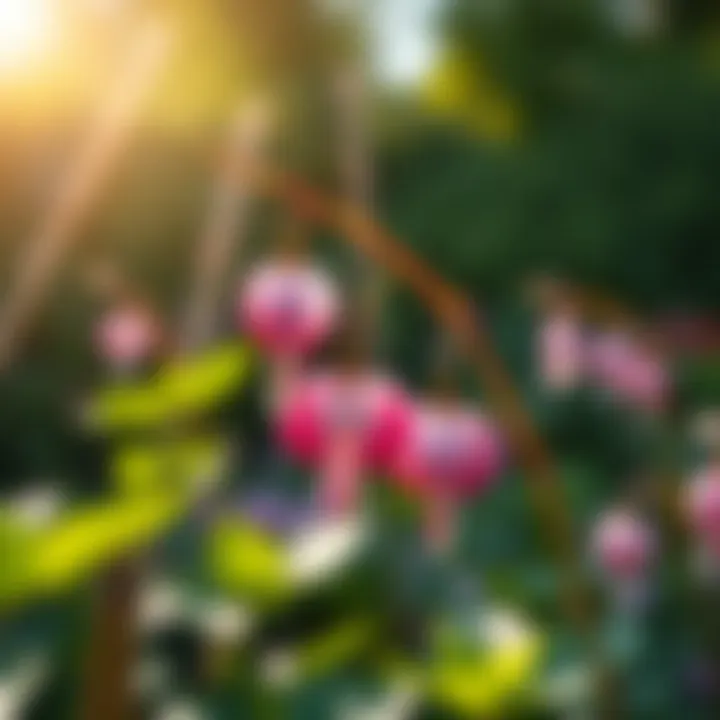
- Choosing Shallow-Rooted Plants: Some flower species, such as the Geranium or the Bleeding Heart, tend to have less aggressive root systems, making them suitable candidates for planting in dense areas.
- Utilizing Raised Beds: Elevating flower beds can reduce competition by providing a barrier against tree roots. Raised beds are also easier to manage and can help improve soil drainage — a must when competing with deeper roots.
- Creating a Buffer Zone: Establishing a layer of mulch or gravel can absorb moisture, making it less accessible for tree roots. This strategy might buy your delicate flowers some time, allowing them to establish their roots in the coveted nutrients.
The dual challenges of pest management and competition from tree roots cannot be ignored. These issues underscore the need for careful planning when selecting and placing flowers in part-shady areas. A proactive approach in addressing these challenges can lead to a flourishing garden that surprises with its elegance, even in the dimmest conditions.
"Gardening is not just a task, it's an exploration of nature's mysteries and a creation of beauty amid adversity."
In literature and practice, these challenges serve as reminders that resilience in gardening is as vital as beauty. Understanding and preemptively addressing these concerns will set the stage for a vibrant garden despite the inherent difficulties posed by part shade.
Incorporating Flowers into Garden Design
In the realm of gardening, the integration of flowers into design schemes for shaded areas offers a unique challenge with a myriad of beautiful possibilities. Unlike sun-drenched gardens, part shade settings demand an artistic touch that balances beauty with the environmental constraints of limited sunlight. This blend not only enhances the aesthetic appeal of these spaces but also nurtures an inviting atmosphere that can transform a mundane yard into a tranquil retreat.
When we look to incorporate flowers in part shade gardens, one must consider the specific elements at play. Factors such as the types of flowers chosen, their blooming times, and the overall structure of plantings influence how these areas not only appear but also thrive. By thoughtfully selecting flowers that complement their surroundings, gardeners can create a sanctuary where every bloom tells a story amidst the lush greenery.
Creating Layered Plantings
Creating layered plantings uses the vertical space in your garden to its fullest potential. Instead of having a flat landscape, consider tall flowers at the back, medium-height blooms in the middle, and ground covers or low-growing plants at the front. This layering provides depth while allowing for visibility of each flower.
- Tall Flowers: Consider using plants like Lobelia or Astilbe which can rise toward the light and bring height to your design.
- Middle Layer: Coral Bells or Hostas can bridge the gap between the tall blooms and the ground cover, offering texture and contrast.
- Ground Cover: Plants like Creeping Jenny or Chinese lanterns can help fill in empty spaces, covering soil and preventing weeds.
By intermixing various heights, gardeners create a visual rhythm that intrigues the eye and enhances the overall aesthetic. Furthermore, this layered approach helps to ensure that light is more efficiently used, as lower plants aren’t overshadowed by their taller counterparts.
Pairing Flowers with Shrubs for Depth
Pairing flowers with shrubs can add a profound sense of depth and richness to shaded gardens. The trick lies in selecting complementary colors, textures, and forms that blend well while still allowing each plant to shine.
- Use Japanese Maple as a backdrop, its delicate leaves provide a soft contrast against fuller blooms like Bleeding Heart.
- Consider contrasting textures, with the smooth leaves of Ferns next to the jagged edges of Hostas.
- Play with flowering times; matching spring bloomers like Woodland Phlox with late bloomers such as Autumn Joy Sedum ensures year-round interest.
This kind of thoughtful pairing not only highlights individual plants but also fosters a diverse habitat, encouraging pollinators and wildlife. When designing these combinations, it's essential to consider how plants will interact as they grow, maintaining space for air circulation and sunlight.
Paths and Accents in Shade Gardens
Paths and accents are invaluable elements of garden design in shaded areas. Well-placed pathways not only guide visitors through your garden but also create natural frames for the floral displays. Materials such as stone or gravel can contrast beautifully with plant life, enhancing the textures throughout the garden.
- Pathways: Clear pathways made from natural stones or wooden chips create lovely focal points. They also delineate different areas within the space.
- Garden Accents: Statues, birdbaths, or decorative trellises can serve as visual anchors, drawing attention to the surrounding flora while providing an artistic statement.
- Lighting: Incorporating soft outdoor lighting can illuminate pathways and highlight selected flowers, enhancing the magical mood of your shaded garden during twilight hours.
These components invite exploration and encourage visitors to immerse themselves in the natural beauty of the space, making the floral arrangements feel even more engaging. Yet, while designing, reflect on the harmony of colors, textures, and forms, ensuring that the accents amplify rather than overshadow the flowers’ beauty .
By thoughtfully combining layered plantings, shrub partnerships, and deliberate pathways, shady corners can be transformed into vibrant spectacles of color and texture.
Garden design in part shade isn’t merely about filling space; it's about creating a cohesive vision that breathes life into shaded areas. By integrating flowers thoughtfully, one can ensure that even the dimmest parts of the garden bloom with elegance.
Further Resources and Inspiration
In the world of gardening, particularly when it concerns flourishing amidst the shadows, access to informative resources is invaluable. Gardening in part shade demands a nuanced understanding of plant needs, lighting conditions, and ongoing care. As such, venturing into literature and community platforms can provide both foundational knowledge and ongoing support. This section dives into essential materials tailored for those embracing the delicate beauty of shade-loving flora.
Books and Guides on Shade Gardening
Books and guides serve as compasses for horticulturists, especially in the intricate realm of shade gardening. Here are notable recommendations that can enrich one's knowledge:
- "Gardening in the Shade" by Susan Harris: This guide covers a variety of strategies for successful shade gardening, detailing specific plants that will thrive even with minimal sunlight. With practical advice and a clear layout, it’s a solid reference.
- "The Shade Garden: Shade-Loving Plants for Your Landscape" by Paul P. Smith: This resource dives deep into selecting the right plants for shadier spots, discussing soil types and maintenance.
- "Shade Gardening: How to Grow and Care for Shade Plants" by Loida Palaber: A good starting point for those new to shade plants, this book provides straightforward, accessible insights.
Greater insights can also be found online, where specialty gardening websites curate lists and articles on specific cultivar needs. Books are more than just repositories of information; they are often gateways to personal connections and inspiration, inviting readers into the vibrant world of shade gardening with stories and expert advice.
Online Communities and Forums
In today's digital age, connecting with like-minded individuals can enrich the gardening experience. Online communities and forums provide platforms for exchanging ideas and seeking advice. Here are a few valuable resources:
- Reddit - r/gardening: This community features discussions and shared knowledge among garden enthusiasts. Members post questions about plant care and share their own experiences regarding shade plants.
- Facebook Groups: There are numerous groups focusing on shade gardening where members share photos, tips, and encourage each other. Look for groups such as "Shade Garden Enthusiasts" or "Part Shade Gardening" for dedicated advice and inspiration.
- GardenWeb: A longstanding forum where individuals can ask questions and share their knowledge on various aspects of gardening, including specialized threads around shade gardens.
- Local University Extension Services: Many universities offer online resources and community forums. These places can provide regionally specific advice, such as plant selection and care tailored to local conditions. Check out *.edu resources for detailed data and advice.
It’s through such communal platforms that gardeners often find solutions to their diverse challenges and inspire one another, fostering a nurturing environment conducive to growth in the midst of shade.
The more one engages with diverse resources, the richer the gardening experience becomes. Each shared experience, whether through literature or online discussion, opens up a world of possibilities.
As you delve into the further resources and inspiration tailored for shade gardening, remember that having a reservoir of knowledge at hand enhances not just your garden’s beauty but also your overall gardening experience.