Elevate Your Great Room with Stunning Fireplace Designs

Intro
In today's living spaces, the concept of a great room—an expansive area that merges living, dining, and often kitchen spaces—thrives on the interplay between functionality and aesthetic allure. This cohesive design approach not only facilitates ease of movement but also fosters a sense of intimacy that might seem elusive in larger homes. Central to this notion is the fireplace, which serves not merely as a source of warmth but as the heart of the room, imparting comfort and style.
Understanding the myriad ways to integrate a fireplace into great room designs can elevate the space from merely functional to truly exceptional. From selecting the right style of fireplace to choosing materials and layouts that resonate with the overall design language of the room, every detail counts. In this exploration, we aim to guide you through the essentials—whether you’re a luxury travel curator, high-end interior designer, fine dining consultant, or simply someone with a discerning eye for detail—providing insights that are both practical and inspiring.
Outdoor Decor Ideas
When it comes to merging indoor elegance with outdoor charm, thoughtful decor ideas can seamlessly connect your great room to outdoor spaces.
Seasonal Inspirations
The change in seasons should naturally influence the decor and ambiance of your great room. In the fall, you might want to incorporate warm hues and textures with throw blankets and cushions, while spring invites lighter fabrics and floral accents. Additionally, think about how you can utilize your fireplace as a focal point amidst seasonal changes—perhaps draping garlands for the holidays or arranging an artful display of birch logs in the spring.
Furniture Selection
Selecting the right furniture complements the fireplace and enhances the room's overall flow. Look for pieces that resonate with your personality and the thematic design of the room. For example, a rustic mantel could beautifully frame a modern sectional, striking a balance between traditional warmth and contemporary chic.
"The key to great room design is ensuring that every piece—whether it be furniture or decor—serves a purpose while also contributing to the room's harmony."
Decorative Lighting
Lighting can dramatically shape the atmosphere, especially in spaces centered around a fireplace. Consider using wall sconces or pendant lights that echo the same materials as your fireplace to create a cohesive aesthetic. For a warmer glow, nothing beats the soft flicker of candles placed strategically around the room, offering both elegance and ambiance during evening gatherings.
Plant Arrangements
Plants introduce life and vitality into a great room. Selecting the right types, such as snake plants or philodendrons, can provide visual interest without overwhelming the aesthetics. Place them near the fireplace for a natural balance, allowing for easy care while benefiting from the humidity that a fireplace can provide.
Hardscaping Solutions
In cases where the great room opens up to outdoor living areas, hardscaping presents an opportunity to define spaces. Options include stone pathways that guide guests to outdoor seating or fire pits, creating a seamless transition that enhances both areas without undermining their purposes.
Sustainable Practices
Sustainability is more than a trend; it's a lifestyle that enriches both aesthetic and functionality. Opt for eco-friendly materials for your fireplace surround or choose energy-efficient models that reduce your carbon footprint while still providing warmth and style. Integrating reclaimed wood or locally sourced stone in your decor can contribute to a more environmentally-conscientious lifestyle without sacrificing elegance.
As we delve deeper into the realm of great room designs with fireplaces, keep in mind that every choice reflects a balance of luxury and practicality, ensuring you create a space that not only dazzles but also serves as a sanctuary for gatherings and quiet moments alike.
Understanding the Great Room Concept
The great room serves as a distinctive space within modern homes, representing both a retreat for relaxation and a hub for social interactions. This concept encapsulates more than just an expansive area; it embodies the idea of fluidity and connection among different functions such as cooking, dining, and living. In essence, a great room is designed to foster relationships among family members and guests, transforming the home into a welcoming environment.
One of the key benefits of having a great room is the opportunity for creating versatile spaces. Unlike traditional segmented rooms, a great room promotes an open-plan layout, encouraging versatility in how the space is used. This setup allows for gatherings that can range from informal family dinners to elegant soirées, showcasing the adaptability of great room designs.
Considerations when designing a great room include:
- Flow and Cohesion: The design should facilitate easy movement between areas, minimizing barriers while maintaining a harmonious aesthetic.
- Hierarchy of Spaces: Even in an open design, establishing distinct zones helps define functionality. For example, you might have a cozy seating area near the fireplace while a dining setup resides in another corner.
- Natural Light: Large windows or skylights can maximize daylight, enhancing the ambience and making the space feel even more inviting.
- Connection to Nature: For many homeowners, integrating outdoor views or access can bring an additional layer of tranquility. Consider incorporating sliding glass doors that lead onto a patio to create a seamless indoor-outdoor experience.
Understanding the great room concept is crucial as it links directly to how a fireplace can be featured prominently in this design. Fireplaces enhance not just warmth, but also the visual appeal of the space, acting as a natural focal point. Therefore, grasping the essence of a great room sets the stage for exploring how the fireplace augments the overall design.
Defining the Great Room
In simple terms, the great room is a larger, multifunctional living space that combines multiple areas—living, dining, and often, kitchens—into one cohesive unit. Unlike formal living rooms, which can often feel isolated or underused, the great room thrives on activity and interaction. This is where families gather for casual meals, conversations, or relaxation after a long day.
Furthermore, the term 'great room' is often used interchangeably with 'open concept living,' but it can also refer to specific architectural styles that emphasize spaciousness and a connection to the outdoors. A well-designed great room often features high ceilings, strategic lighting, large windows, and, importantly, a fireplace that becomes an integral part of the home’s character.
Historical Evolution
The evolution of the great room reflects broader architectural trends and lifestyle changes throughout history. In earlier times, homes were designed with more distinct compartments—formal dining rooms, specific living areas, and kitchens that were often disconnected from social spaces. As family dynamics evolved, so too did the design principles.
During the 20th century, particularly with the mid-century modern movement, the concept of open spaces began to gain traction. Home builders wanted to create environments conducive to interaction, which coincided with changing social norms that favored casual, communal living.
In the 1980s and 1990s, open-plan living exploded in popularity in suburban developments, driven by a growing preference for informal gatherings and an emphasis on family-oriented lifestyles. This momentum paved the way for the modern great room as we know it today, often featuring large central fireplaces that can serve as both a heating source and an aesthetic centerpiece.
As styles evolve, the great room remains relevant, continually adapting to contemporary tastes while retaining it’s core purpose of fostering togetherness.
The Role of the Fireplace in Design
The fireplace is more than just a source of warmth; it's a fundamental element that encompasses both functionality and aesthetic value within great room designs. This central feature often becomes the heart of social gatherings, acting as a gathering point for friends and family. In contemporary great rooms, where open spaces and connectivity take precedence, the fireplace holds significant relevance. It brings an air of sophistication while also offering practical benefits that enhance the overall living experience.
Functional Elements
When considering the role of fireplaces in great room designs, it's crucial to recognize their practical contributions. Here are some key functional elements to consider:
- Heat Source: At its most basic level, a fireplace provides heat. In larger spaces, maintaining a comfortable temperature can be a challenge, and a well-placed fireplace offers a cozy solution.
- Versatility: Modern fireplaces come in various types, such as gas, electric, and traditional wood-burning models. Each type has its own advantages, allowing homeowners to choose one that fits their lifestyle. For instance, gas fireplaces offer instant warmth with less maintenance, while wood-burning options provide a classic, rustic experience.
- Ventilation and Air Quality: A thoughtfully designed fireplace can also influence the air quality of a great room. Many models are now equipped with advanced ventilation systems that channel smoke and gases outside, enhancing interior airflow.
- Safety Features: Incorporating safety elements such as glass doors or screens ensures that the fireplace functions efficiently and minimizes risks, especially in homes with children or pets.
Thus, the fireplace is about function and is integral to the comfort and practicality of great room living.
Aesthetic Contributions
Beyond functionality, the aesthetic appeal of a fireplace cannot be overstated. A well-designed fireplace serves as a focal point that ties the room together. Below are several ways it enhances the visual landscape:
- Design Statement: Fireplaces come in numerous styles and finishes, allowing homeowners to make bold design statements. Whether it's a sleek modern design or a distressed stone facade, the fireplace characterizes the entire room's theme.
- Texture and Material Contrast: Incorporating various materials can create a rich visual experience. For instance, a polished steel insert against a rough-hewn stone mantel provides a dynamic contrast that attracts the eye.
- Color Integration: The color of the fireplace can harmonize or contrast with the rest of the room, influencing the overall color palette. This can create warmth in more neutral designs or can provide a striking contrast in bolder rooms.
- Lighting Effects: The ambiance created by a fireplace's flames can be enchanting. Whether it’s dimly lit for a romantic evening or brightly lit for a family gathering, the lighting from a fireplace adds a layer of coziness that other light sources struggle to replicate.
"A fireplace is not merely functional, it’s a canvas for artistic expression and a beacon of warmth in a well-designed space."
Considering these aesthetic contributions, it's clear that fireplaces enhance the design beyond their utilitarian function. They embody elegance and style while simultaneously creating an inviting atmosphere that turns a house into a home.
By understanding both the functional and aesthetic roles of fireplaces, homeowners can make informed choices that will not only improve their great room's design but also elevate their quality of life.
Design Styles for Great Rooms
In the realm of interior design, the style adopted for a great room shapes its ambiance and functionality. When it comes to merging elegance with comfort, nothing quite encapsulates that balance like the choice of design style. This section will unravel several popular design styles that make great rooms not just visually appealing but also thoughtfully practical. Different styles can enhance the room's natural beauty while complementing the fireplace, a core element of many great room designs.
Modern Minimalism
Modern minimalism is all about stripping away the unnecessary. The philosophy behind this style emphasizes clean lines and uncluttered spaces. In a great room, this translates to a tranquil environment where the fireplace becomes a statement piece rather than just another functional element. Using neutral colors, minimalist furniture, and open spaces fosters a serene atmosphere. Opt for a linear fireplace that accentuates the sleek design. The materials can include smooth stones or concrete, making the heat emanating from the fireplace feel even more inviting amidst the simplified decor. Here are some points to consider:
- Focal Point: A fireplace in a minimalist setting should stand out, possibly installed as a striking black slab or a wall-mounted unit.
- Functional Furniture: Opt for multi-functional furniture that can be tucked away when not in use, keeping the room spacious and airy.
- Natural Elements: Integrating plants can soften the hard lines, providing a touch of warmth and life without overwhelming the simplicity of the space.
Classic Elegance
Classic elegance brings a touch of timeless beauty to great rooms. With rich colors, intricate moldings, and classic furnishings, this design style elevates the atmosphere. Fireplaces often adorned with detailed mantels play a central role in setting the tone. A grand, traditional wood-burning fireplace surrounded by rich fabrics like velvet or silk adds luxurious depth to the room. Considerations for this style may include:
“The beauty of classic elegance lies in its ability to withstand the test of time.”
- Color Palette: Think earthy tones, deep reds, and golden hues that complement natural wood textures.
- Antique Accents: Use vintage decor pieces or heirloom items to create a sense of history and refinement.
- Layering Textures: Incorporate textures like a plush area rug against hardwood floors to enhance comfort while maintaining an elegant vibe.
Rustic Charm
Rustic charm infuses a great room with a sense of warmth and invitation. Characterized by natural materials, this design style often highlights exposed wooden beams and stone accents. A traditional fireplace, whether it’s a stone hearth or a cozy wood-burning stove, breathes life into this environment. The emphasis here is on comfort and the beauty of nature. Key features might entail:
- Natural Wood: Use reclaimed wood for beams and furniture to emphasize sustainability and character.
- Earthy Tones: Incorporate a palette of warm browns, greens, and soft whites to bring the outdoors in.
- Personal Touch: Decorate with handmade or artisanal crafts that give the space a unique identity.
Industrial Flair
Giving a nod to urban living, industrial flair combines raw materials with a sophisticated edge. This design style is characterized by open, airy spaces often featuring stark contrasts, such as a sleek metallic fireplace set against exposed brick walls. Ideal for those who enjoy a modern yet rugged aesthetic, the industrial style can be effortlessly chic:
- Raw Materials: Incorporate elements like unpolished metal, exposed piping, and reclaimed wood.
- Statement Lighting: Heavy-duty fixtures can complement the fireplace's rugged nature, adding character to the overall design.
- Versatile Spaces: Use modular furniture that works in a variety of arrangements, allowing the layout of the great room to evolve with need and occasions.
Each design style has its unique charm and structural implications, influencing how the room is perceived and used. Whether you lean towards the understated elegance of modern minimalism or the warmth of rustic charm, understanding these styles can guide the creation of a great room that resonates with personal taste and comfort.
Choosing the Right Fireplace
Choosing the right fireplace is a crucial step in defining the character and functionality of a great room. The fireplace is not just a place to gather on chilly nights; it serves as an integral design element that can enhance the aesthetic appeal of the room, harmonizing with overall decor while also addressing practical concerns like heat and maintenance. Thoughtful selection hinges on understanding various factors including space, style, budget, and use. A well-chosen fireplace can shape the ambiance, whether cozy and inviting or sleek and modern, adding value to your living experience.
Fireplace Types
Traditional Wood-Burning
Traditional wood-burning fireplaces evoke a sense of nostalgia reminiscent of a rustic cabin retreat. The crackling sound of burning logs, along with the aroma of wood smoke, transforms any room into a soulful haven. This type emits significant heat, making it a compelling choice for homeowners seeking a natural heating solution. However, it does come with its own set of considerations—like chimney upkeep and wood storage. Note that the installation process can be lengthy and sometimes costly, depending on your existing infrastructure.
- Key Characteristic: The authentic experience and warmth of real flames.
- Advantages: Natural heating; aromatic presence; nostalgic ambiance.
- Disadvantages: Ongoing maintenance requirements; need for wood supply; potential fire hazards.
Gas Fireplaces
Gas fireplaces provide a perfect blend of convenience and elegance. With the flick of a switch, you can enjoy the warmth without the hassle of logs. They come in various styles, easily fitting into modern or traditional spaces alike. Considered beneficial for their heat efficiency, gas fireplaces offer a straightforward alternative to wood-burning units. However, they may lack the charm that comes from an open flame.
- Key Characteristic: Easy ignition and operation.
- Advantages: Low maintenance; efficient heating; cleaner burning.
- Disadvantages: Limited burn aesthetics; dependent on gas supply.
Electric Fireplaces
Electric fireplaces are rapidly growing in popularity for their versatility and ease of use. These units provide heat without the need for venting and come in aesthetically pleasing designs to suit any interior style. While electric options deliver an inviting fake flame effect, they tend not to produce the same warmth as their wood or gas counterparts. They are excellent for smaller spaces or homes where venting poses a challenge.
- Key Characteristic: Plug-and-play functionality.
- Advantages: No venting required; variety of designs; safe for children and pets.
- Disadvantages: Less heat output; reliance on electricity.
Bioethanol Fireplaces
Bioethanol fireplaces are at the forefront of eco-friendly design. These units burn bioethanol fuel, a clean-burning renewable energy source, making them a sustainable choice for modern living. They can be placed almost anywhere without the need for a chimney or venting system. However, they may not provide substantial heat for larger spaces, so they work best as accent pieces or in conjunction with other heating sources.
- Key Characteristic: Clean combustion with no smoke.
- Advantages: Eco-friendly; versatile placement; visually appealing.
- Disadvantages: Limited heating ability; fuel costs can accumulate.
Selecting Materials
Brick and Stone
Brick and stone fireplaces offer timeless appeal and durability. They exude a robust presence that can either complement a rustic interior or add texture to a modern aesthetic. The key characteristic here is the natural thermal mass these materials provide, storing warmth and radiating it long after the fire has gone out. Utilizing these materials often means a longer installation process due to their weight and the skill required to craft them properly.
- Key Characteristic: Durability and thermal efficiency.
- Advantages: Long-lasting; versatile in design; excellent heat retention.
- Disadvantages: Heavy and may require structural support; potential for cracking.
Metal Finishes
Metal finishes are increasingly popular, especially in contemporary designs. Options like stainless steel or wrought iron add an industrial touch. Metals are generally lightweight, offering design flexibility and ease of installation. Their reflective surfaces can create stunning visual impact, interacting beautifully with surrounding light. However, exposure to high heat can pose risks of warping or discoloration over time.
- Key Characteristic: Modern aesthetics with lightweight properties.
- Advantages: Easy to clean; modern appeal; good for contemporary settings.
- Disadvantages: Can lose shape under extreme heat; potential for rusting if not well treated.
Tile Options
Tile options provide limitless decorative avenues, allowing homeowners to customize their fireplaces extensively. With a variety of designs, colors, and patterns, tile can bring a unique touch, echoing the personality of its owner. Tile fireplaces are not only attractive but often easy to maintain. However, improper installation can lead to cracking and peeling, particularly in high-heat environments.
- Key Characteristic: Versatile design possibilities.
- Advantages: Easy maintenance; wide array of styles; heat-resistant materials available.
- Disadvantages: Risk of damage if improperly installed; may not provide as much durability as stone.
Layout Considerations
The arrangement of space within a great room is crucial for both functionality and visual appeal. Layout considerations play a vital role in ensuring that the space flows seamlessly, creating an inviting atmosphere while maximizing utility. When designing around a fireplace, the layout must be carefully thought out to accommodate not only the fireplace as a focal point but also the surrounding elements that contribute to the overall comfort and style of the room. Good layout enhances interactions, encourages movement, and ultimately supports the desired atmosphere, whether it's cozy, formal, or relaxed.
Placement Strategies
When it comes to strategic placement, the fireplace's position should be a central element in the design process. Ideally, a fireplace is often situated along a focal wall where it can be seen from multiple angles, effectively commanding attention without overwhelming other design elements. Here are some considerations for placement:
- Visual Balance: Position your fireplace to create symmetry in the room. This can involve placing furniture or artwork around the fireplace to balance its visual weight.
- Functional Traffic Flow: Ensure that the placement does not hinder movement through the space. Allow sufficient room for foot traffic, particularly from doorway to doorway or from different zones within the great room.
- Distance from Seating: The distance between the fireplace and seating arrangements should foster warmth without making it uncomfortable. Usually, seating should be positioned within 8 feet of the fire for a cozy feel.
"The right placement enhances not just warmth but also the life of the gathering space."
Creating Zones
Creating distinct zones within a large great room can help define purpose and enhance usability. Zones can effectively delineate spaces for different activities while still maintaining an overarching aesthetic that ties the room together. Here’s how to establish zones effectively:
- Furniture Arrangement: Using furniture to create zones is a practical approach. Sofas can be arranged to face the fireplace, creating a conversational area, while a dining table on the opposite side establishes a dining zone.
- Rug Usage: Rugs can anchor zones visually. A large area rug under the seating can designate a living area, while a separate, smaller rug can indicate a game or reading nook.
- Lighting: Distinct lighting can also differentiate zones. Consider pendant lights over a dining space or adjustable wall sconces near a reading area to enhance these functions.
By taking the time to thoughtfully consider layout, including effective placement strategies and the creation of clearly defined zones, the great room can evolve from just a spacious area into a true multifunctional space. Choosing how to manage the design space with purpose ensures that both the fireplace and the surrounding environment work harmoniously to create an inviting atmosphere.
Incorporating Technology
In today’s modern world, technology has seamlessly woven itself into the fabric of our daily lives, transforming the design and functionality of living spaces. When we think about great room designs, integrating technology, especially in relation to fireplaces, brings a new dimension to creation and user experience.
Considering the latest advancements can make a significant difference in both comfort and aesthetics in these expansive areas. By adopting innovative features, homeowners can blend visual appeal with cutting-edge functionality, creating environments that are not just enjoyable but also incredibly efficient.
Smart Fireplaces
Smart fireplaces are a central focus in the evolving landscape of home design. These modern marvels not only provide warmth but do so with a level of control and convenience that traditional models cannot offer. Imagine adjusting the heat output of your fireplace or changing the flame color right from your smartphone while snuggled up on the couch with a good book.
Key benefits of smart fireplaces include:
- Remote Control Capabilities: Owners can manage their fireplace from afar, ensuring their space is always warm before they arrive home.
- Temperature Regulation: Many models offer built-in sensors that adjust the fire’s intensity based on the room's temperature.
- Eco-Friendly Options: Some smart fireplaces utilize bioethanol or natural gas, allowing for a cleaner burn and reduced emissions, which is something environmentally conscious buyers will value.
- Customization: These fireplaces often come with customizable flame patterns and colors, allowing homeowners to set the mood in a variety of ways based on the occasion.
While considering smart fireplaces, it’s critical to ensure they are compatible with existing home automation systems. Familiarizing oneself with specific brand technologies, such as those offered by FireplaceX or Napoleon, can provide deeper insight into available functionalities and how they suit individual lifestyle and house designs.
Integrating Audio and Visual Elements
When we talk about great room design, audio and visual elements frequently enrich the living experience. The marriage of a fireplace with integrated sound systems or projection screens can elevate this space from solely functional to a multi-sensory haven.
Here are several aspects to consider:
- Surround Sound Installation: Accompanying your evening by the fireplace with your favorite music enhances the ambiance. Strategically placing speakers can create an immersive auditory experience, exceptional for movie night or entertaining guests.
- Visual Displays: Imagine a sleek television hidden in a custom cabinetry unit that reveals itself when needed and tucks away charmingly when it's not, maintaining the uncluttered aesthetic of the room. Integrating screens that can display anything from family photos to natural scenery can serve as art pieces themselves.
- Lighting Control Systems: Combining smart lighting with audio-visual setups can transform the mood of the great room. Soft ambient lights that adjust in harmony with movie scenes or musics can create a mesmerizing atmosphere.


By thoughtfully incorporating these technologies, homeowners can ensure that their great rooms are not just visually striking but also functionally comprehensive.
"A well-designed space isn’t just seen; it’s felt, through warmth, sound, and light."
Integrating technology into fireplace designs enhances both enjoyment and functionality, pushing the envelope of what a great room can achieve. As you explore options, remember that balance between tech and warmth is crucial for a holistic living experience.
Color Palette and Textures
In the world of interior design, color palette and textures are not just whims of aesthetics; they are critical components that can influence mood, create harmony, and define the character of a space. Within great rooms, where architectural grandeur often meets personal expression, these elements play a vital role in establishing a cohesive look that encapsulates both style and functionality. When integrating a fireplace into the design, careful consideration of color and texture is essential—not only to ensure visual appeal but also to enhance the overall ambiance.
Coordinating Colors with the Fireplace
The colors chosen for a great room, particularly in relation to the fireplace, can make or break the design scheme. A fireplace often stands as a centerpiece, commanding attention and serving as a focal point that dictates the visual flow of the room. Understanding how to coordinate colors around it can amplify both its strength and the allure of the space.
- Neutral Backdrops: Opting for neutral tones allows a fireplace to shine, especially if it has unique characteristics or a distinct design. Shades like soft whites, beiges, or grays create a calm environment, allowing the warmth of the fire to take center stage.
- Bold Accents: For those who prefer a dash of drama, think deep reds or navy blues. These colors can contrast beautifully with lighter fireplaces or create a harmonious look with darker finished ones. This approach can evoke a sense of sophistication in the room, wrapping it in depth.
- Complementary Colors: When selecting colors, it’s wise to consider the materials used in the fireplace. For instance, a rustic stone fireplace could benefit from rich earthy tones, while a sleek, modern gas unit might allow for a palette of cool, crisp colors.
Ultimately, cohesively blending colors throughout the room—in furniture, art, and decor—will enhance the fireplace's impact while maintaining a unified aesthetic.
Textural Contrasts and Cohesion
In conjunction with color, texture weaves the fabric of design, adding layers and interest to a great room. It's through texture that spaces can feel warm, inviting, or even luxurious. When paired with a fireplace, the interplay of textures invites exploration and engagement.
- Wood vs. Stone: A combination of rough-hewn wood and smooth stone can create a delightful contrast. Picture a polished marble fireplace juxtaposed with reclaimed wood beams in the ceiling—a combination that encourages both visual and tactile interest.
- Softness in Fabrics: Incorporating plush textiles—think velvet cushions or soft wool throws—can soften the hard lines of a fireplace. These elements add inviting layers, encouraging relaxation and comfort when gathered around the fire.
- Balance and Harmony: While contrasting textures stimulate interest, cohesive textures bring balance. If a room is filled with intricate patterns, a simpler texture on the fireplace might ground the space, presenting a modern twist to traditional design.
Textures are like the silent language of design; they speak volumes without uttering a word.
Balancing these elements not only adds visual allure but also enhances the tactile experience of the space, inviting residents and guests alike to interact with the environment. By weaving together color coordination and texture interplay, great rooms can be transformed into harmonious sanctuaries that showcase their fireplace as a true work of art.
Furnishing the Great Room
Furnishing the great room is more than just placing a few pieces of furniture in a spacious area. It’s an intricate dance between form, function, and aesthetics. This space serves as the heart of a home, where family members gather for cozy evenings, entertaining guests, or simply enjoying the warmth of a crackling fire. Therefore, every element—be it furniture, rugs, or decorative items—should create a harmonious environment that enhances both comfort and style.
Choosing Complementary Furniture
When it comes to selecting furniture for your great room, you want to keep in mind the overall design theme and the fireplace's position. It is crucial to choose pieces that not only serve their purpose but also synchronize with the room’s ambiance.
- Scale and Proportion: Large sofas with generous cushions invite relaxation, ideal for gatherings. But make sure they don’t overshadow the fireplace or make the space feel cramped.
- Material Selection: Opt for materials that complement the fireplace. For example, if you have a stone fireplace, wooden or metal finishes can bring about a delightful contrast. Leather couches might echo the toughness of industrial designs, while soft fabrics can enhance rustic charm.
- Flexibility in Arrangement: Create conversational areas by arranging seating in a way that encourages interaction. Think about how easy it is to enjoy the fireplace from different seating positions.
"A well-furnished great room is like a well-composed symphony; every piece adds to the emotional impact of the whole."
Flexibility might also mean choosing modular furniture that can be easily rearranged. Consider ottomans that double as coffee tables or side chairs that can be brought in for larger gatherings.
Rug Selection and Placement
Rugs often act as the unsung heroes of room design; they tie everything together and can establish areas within the great room while maintaining visual balance. Choosing the right rug involves carefully considering both style and placement.
- Size Matters: A common misstep is selecting a rug that is too small for the space. Ideally, your rug should be large enough so that at least the front legs of all your furniture pieces sit on it. This creates a cohesive look and delineates the area.
- Pattern and Texture: Rugs come in various patterns and textures that can either complement or contrast with your furniture. A bold, patterned rug can make for an eye-catching centerpiece if you have neutral upholstery. On the other hand, a simple jute rug can offer textural interest beneath a vibrant sofa.
- Placement Proximity to the Fireplace: Position your rug close to the fireplace to invite warmth and comfort. However, be wary of placing it too near, as this could lead to wear over time due to heat and embers.
In summary, furnishing a great room requires careful thought to create a balanced, inviting space, anchored by the fireplace. The furniture and rugs you choose should work together in an elegant yet functional manner, reflecting your personal style while being mindful of the dynamic nature of the room's use.
Lighting Solutions
In the context of great room designs, the role of lighting cannot be emphasized enough. It's not merely an afterthought; it’s an essential element that carries the weight of atmosphere, function, and even intimacy. A well-lit space is a welcome mat for guests and a sanctuary for relaxation, shaping the mood and highlighting architectural features, such as that show-stopping fireplace.
Benefits of Thoughtful Lighting
- Ambiance Creation: The right lighting shapes emotional responses, turning a cold, stark room into a warm and inviting space suitable for gatherings or quiet evenings.
- Emphasizing Design Features: Targeted lighting can draw attention to the fireplace, artwork, or even architectural elements like vaulted ceilings, offering a layered experience visually.
- Enhancing Functionality: Proper illumination facilitates the practical aspects of everyday life, from reading to entertaining, ensuring areas are never too dim or harshly lit.
When it comes to lighting in great rooms, one must consider the configuration, intensity, and flexibility of light sources, harmonizing them with the room’s designs and the primary focal point — the fireplace.
Enhancing Ambiance with Lighting
Setting the mood in a large, often open-plan great room can be a balancing act. Lighting can transform the ambiance effectively, through various fixtures and strategies. For instance, soft, warm lighting can evoke a cozy feeling, while brighter options can add vibrance and energy.
Key Elements for Enhancing Ambiance:
- Dimmers: Installing dimmer switches allows for modulation of brightness according to the occasion — dimmed lights during a movie night enhance comfort, while brighter settings work wonders for events.
- Layered Lighting: Using a combination of overhead fixtures, floor lamps, and accent lighting creates depth and character.
- Color Temperature: Warmer bulbs are generally more inviting, weaving a golden hue that complements the fireplace glow, whereas cooler bulbs can lend a more modern touch.
An effectively illuminated space can invoke tranquility and inspire conversations around the fireplace, your great room’s heart.
Layered Lighting Techniques
Utilizing layered lighting techniques is akin to an artist brushing colors on a canvas, each layer adding more depth and dimension to the overall effect. This approach can be particularly beneficial in vast spaces that often lack the coziness one might desire.
Implementing Layered Lighting:
- Ambient Lighting: This type provides the base illumination. Options like chandeliers or flush mounts contribute a general glow while ensuring the room is adequately lit.
- Task Lighting: Think of reading lamps placed next to your favorite chairs or pendant lights over game tables that not only illuminate tasks but create small islands of personal light.
- Accent Lighting: This is ideal for highlighting architectural features such as columns or pot lights illuminating the fireplace. Strategically placing fixtures can transform a standard design into something reminiscent of cinematic elegance.
Fireplace Maintenance
Maintaining your fireplace isn’t just a matter of tidiness; it’s a critical aspect of ensuring safety, maximizing efficiency, and prolonging the life of your fireplace. Much like a vehicle requires regular servicing, fireplaces need a bit of love and care. Regular maintenance practices prevent dangerous situations, such as chimney fires or carbon monoxide poisoning, while also keeping your great room looking its best. A well-kept fireplace enhances both its aesthetic appeal and functional performance, making it a centerpiece in your home.
Routine Cleaning Guidelines
Keeping your fireplace clean is essential to ensure it remains a safe, efficient, and attractive part of your living space. Here’s a breakdown of routine cleaning practices:
- Ash Removal: Start by letting ashes cool for at least 24 hours. Once cool, scoop out the ashes with a metal scoop or shovel. Be cautious to leave some ash in the bottom; it can help absorb moisture and improve efficiency.
- Fireplace Surfaces: For brick and stone surfaces, a simple mixture of warm water and mild soap is often enough to wipe away dirt and soot. Avoid harsh chemicals that could harm the finish. For gas fireplaces, check the logs, glass doors, and other elements, ensuring they are clean and clear of debris.
- Chimney Inspection: An annual inspection is vital, especially if you use your fireplace regularly. Look for creosote buildup, which can ignite unexpectedly. While you can clean some aspects yourself, hiring a chimney sweep can offer peace of mind, especially for thorough inspections and cleaning.
"Preventive maintenance is not only about cleanliness; it’s about ensuring every fire you ignite is a safe one."
Safety Practices
Safety cannot be overstated when it comes to fireplaces, whether they burn wood, gas, or bioethanol. Following proper safety measures helps prevent accidents and protects your home:
- Install Carbon Monoxide Detectors: This vital equipment should be placed near sleeping areas. Regularly check batteries and functionality. They can save lives by alerting you to potential dangers.
- Use Fireplace Screens: A screen prevents embers from escaping and protects any surrounding furniture from stray sparks or heat. It also serves as an additional layer of safety, especially for households with pets or young children.
- Educate Yourself on Proper Usage: Whether you are using a traditional wood-burning fireplace or a gas version, educate yourself on the specific requirements of your type. For instance, only burn seasoned wood in a wood fireplace, as wet wood can produce excessive smoke and creosote buildup. For gas fireplaces, ensure the supply lines are secure and leak-free.
- Fire Extinguisher Accessibility: Always have a fire extinguisher within reach in the home. Familiarize yourself with handling it properly, just in case an emergency arises.
By paying attention to both routine cleaning and safety practices, you embrace proactive measures that not just maintain a fireplace but also safeguard your entire great room. Elegant and warm, your fireplace becomes a safer haven in your home's heart.
Outdoor Great Rooms with Fireplaces
In recent years, the appeal of outdoor spaces has surged, transforming patios and backyards into extensions of indoor living areas. Great rooms with fireplaces serve as a natural focal point in this landscape, marrying the comfort of a home with the beauty of nature. The integration of a fireplace in an outdoor great room not only enhances the aesthetic appeal but also allows for year-round usability, making it a crucial element in home design.
Designing an Inviting Outdoor Space
Creating an enchanting outdoor great room goes beyond merely placing furnishings outside. It’s about cultivating an atmosphere that beckons relaxation and enjoyment. Consider the following features when designing your space:
- Choosing the Right Layout: A well-planned layout makes all the difference. Opt for a layout that incorporates seating arrangements around the fireplace, facilitating conversation and warmth. A circular seating setup naturally invites connection.
- Incorporating Natural Elements: Utilize landscaping to create a seamless transition between the home and the exterior. Adding plants, flowers, or even a water feature can bring life and vitality to the area. Choose native plants that can thrive in your climate.
- Lighting Considerations: Ambient lighting, such as string lights or lanterns, can create an inviting glow during the evening hours. Make sure the area is well-lit, but avoid harsh lights that detract from the cozy vibe.
- Weather Protection: Consider incorporating awnings, pergolas, or even retractable shades. These structures offer protection from elements while preserving the open-air experience.
- Furnishing Comfortably: Choose weather-resistant furniture that combines comfort with durability. Cushioned chairs and sofas should be suited for outdoor conditions, ensuring that guests can indulge in long conversations by the fire.
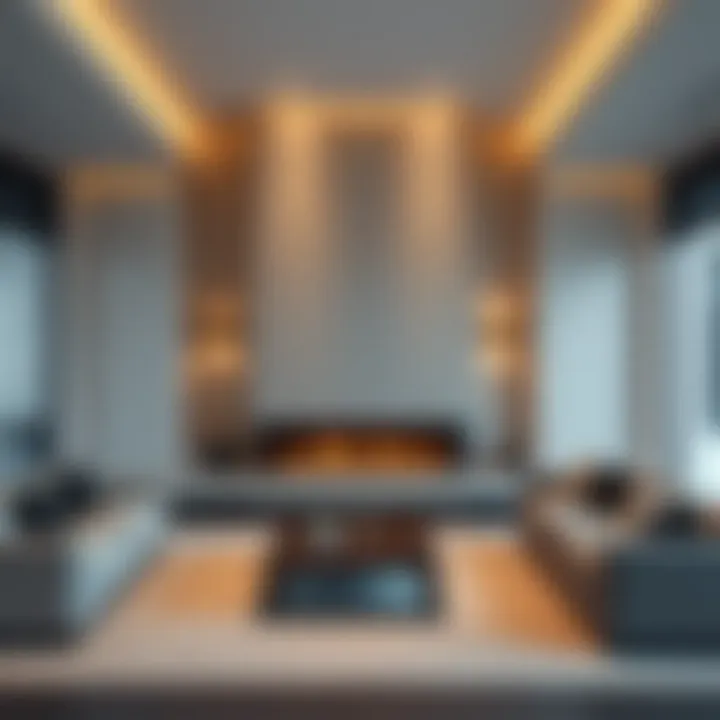
By carefully planning these elements, you’ll create a haven that encourages outdoor living and captures the essence of relaxation.
The Benefits of Outdoor Fireplaces
Integrating an outdoor fireplace into your great room design offers numerous advantages:
- Enhanced Usability: An outdoor fireplace allows you to enjoy your space well into the colder months. It becomes a gathering place for friends and family, ensuring your outdoor space is functional year-round.
- Increases Property Value: Homes with outdoor entertaining areas, especially those featuring fireplaces, often see a boost in market value. This appealing feature can be a selling point for potential buyers who prioritize outdoor living.
- Creates Ambiance: There’s something inherently soothing about a crackling fire under the stars. It sets a mood that’s ideal for intimate gatherings or even significant events like weddings or birthday celebrations.
- Cooking Opportunities: Beyond warmth, outdoor fireplaces can double as cooking stations. Whether it’s roasting marshmallows for s'mores or grilling a meal, they add an interactive element to outdoor dining.
- Aesthetic Appeal: An outdoor fireplace can serve as a striking visual element that enhances the overall beauty of your outdoor space. Choosing unique designs or materials can reflect your personal style and elevate the outdoor area.
In essence, outdoor fireplaces bring more than just warmth—they’re a catalyst for social interactions and provide practical benefits that elevate the overall outdoor experience.
Sustainability in Fireplace Design
In the context of great room designs, sustainability stands as a key consideration, intertwining the concepts of luxury and eco-friendliness. As homeowners increasingly seek to harmonize their living spaces with nature, the importance of sustainable fireplace design cannot be overstated. A fireplace, traditionally viewed as a source of warmth, now also embodies an opportunity to create a minimal environmental footprint. By focusing on sustainable practices, one can attain elegance without compromising the planet's future.
Eco-Friendly Materials
When it comes to fireplace designs, the choice of materials plays a pivotal role in sustainability. Opting for eco-friendly materials not only enhances the aesthetic appeal but also reduces harmful emissions.
- Reclaimed Wood: Using reclaimed wood for mantelpieces or décor elements adds character while preventing old trees from being cut down, making it a responsible choice.
- Natural Stone: Stone quarried with a minimal impact on the environment serves as a durable option, providing natural beauty and longevity. Look for local sources to lessen transportation emissions.
- Recycled Glass: For decorative elements within gas fireplaces, recycled glass is a vibrant and sustainable choice. It transforms waste materials into functional beauty.
- Low-VOC Paints and Finishes: Utilizing low-VOC (volatile organic compounds) paints helps to maintain air quality, creating a healthier space for living.
Willingly incorporating these materials speaks volumes about a homeowner's commitment to sustainability, fostering a narrative that goes beyond simply heating space.
Energy Efficiency Considerations
In addition to materials, energy efficiency looms large in the discussion about sustainable fireplace design. Modern technology offers numerous solutions that can effectively reduce energy consumption while maintaining the desired warmth.
- Sealed Combustion Fireplaces: These systems draw air from outside for combustion, ensuring that indoor air quality is preserved, and preventing the loss of conditioned air from the home.
- High-Efficiency Wood Stoves: Engineered to burn wood more completely, these stoves significantly decrease emissions and maximize heat output, representing an investment that pays dividends in both comfort and environmental responsibility.
- Heat Recovery Systems: Innovative fireplaces now feature built-in heat recovery systems that gather and utilize heat from the fire, redirecting it back into the living space rather than letting it escape through the chimney.
"Incorporating energy-efficient designs not only minimizes costs but also enhances the value of a property, showcasing a blend of refinement and responsibility."
By understanding the importance of sustainability and emphasizing energy-efficient solutions, homeowners not only create inviting great rooms but also contribute positively to the environment. It's a dual triumph—achieving warmth and charm while being eco-conscious.
Case Studies of Inspiring Great Rooms
Case studies of inspiring great rooms present an opportunity to observe the interplay between design, functionality, and personal style. These examples illustrate how diverse spaces can elegantly incorporate fireplaces as central elements. When evaluating such rooms, it becomes clear that a well-executed design transcends mere aesthetics; it encapsulates the soul of the dwelling. Real-world applications of design principles show how the fireplace can act not only as a heat source but also a pivotal point to gather around, forming the heartbeat of the home.
High-End Residential Examples
In affluent neighborhoods, the designs of great rooms often reflect the inhabitants’ lifestyle and tastes. Consider a residence designed by renowned interior architect Kelly Wearstler, where a striking floor-to-ceiling stone fireplace serves as the main focal point in an expansive room bathed in natural light. The combination of high-end materials, such as travertine and oak wood floor, juxtaposed against overstuffed, contemporary furniture creates an inviting yet refined atmosphere. Here, the fireplace does more than radiate heat; it exudes a luxurious warmth that welcomes family and guests alike.
Another notable example is a penthouse in Manhattan featuring a minimalist approach to design. The fireplace, designed to resemble a sleek black box, complements the modern decor without overwhelming it. Enhanced by architectural lighting that highlights its clean lines, this fireplace integrates seamlessly into the overall aesthetic. In such cases, the fireplace is not merely an accessory; it's part of the architecture.
Commercial Spaces
The utilization of fireplaces in commercial spaces presents unique design challenges and decisions. For instance, a high-end restaurant in Chicago has effectively married comfort with sophistication. In this space, several small, modern fireplaces are strategically placed throughout the dining area to create intimate zones. This design choice not only enriches the atmosphere but also promotes a sense of warmth that enhances the dining experience.
Similarly, a luxury spa in Palm Springs features an expansive great room equipped with a modern gas fireplace. The fireplace sets a tranquil tone, inviting patrons to unwind in a serene environment. Décor elements, like plush seating and curated art pieces, harmonize with the fireplace to create a welcoming oasis. Here, the fireplace embodies both aesthetic beauty and functional purpose, encouraging relaxation and social interaction.
The beauty of fireplaces in great rooms lies in their versatile designs, allowing them to be the perfect blend of style, warmth, and practicality.
In examining these real-world examples, one sees the trends and innovative applications of fireplace design that not only transform spaces but also elevate them into immersive experiences. By studying these case studies, one can glean insights on how to incorporate similar strategies in their own homes or commercial projects.
Emerging Trends in Fireplace Design
The landscape of fireplace design is constantly evolving, and staying attuned to these changes is crucial for anyone looking to create or refine a great room. Emerging trends bring fresh perspectives to traditional designs, ensuring that fireplaces remain not just functional heat sources but also central features that enhance the room's overall atmosphere. These shifts reflect not only advancements in technology but also changing tastes that prioritize both aesthetics and practicality.
Innovations in Fireplace Technology
Technology is at the forefront of modern fireplace design, introducing features that enhance usability and efficiency. Traditional wood-burning fireplaces, although charming, are often labor-intensive and require regular maintenance. Today, gas fireplaces have gained popularity for their ease of use and lower environmental impact. Homeowners can benefit from features such as remote controls and programmable thermostats, making it easier to adjust settings without leaving the comfort of their seats.
Electric fireplaces, while once considered a mere alternative, have taken strides in realism with lifelike flames and customizable settings that allow for mood lighting. For those striving for sustainability, bioethanol fireplaces have emerged, giving off clean energy while maintaining a classic aesthetic. This versatility makes technological integration in fireplace systems very appealing. Moreover, the shift towards smart home integration means that many fireplaces can now be connected to home automation systems, allowing for seamless control along with other features in the great room.
"The most modern fireplaces do not merely bring heat; they adapt to the lifestyle of their users."
Shifts in Aesthetic Preferences
Alongside these technological advances, aesthetic preferences are also evolving. Modern tastes veer towards minimalism, where clean lines and simple forms reign supreme. This shift has seen a rise in linear fireplaces that elongate to fit seamlessly within contemporary designs. These sleek units often become seamless backdrops rather than imposing structures, allowing other design elements in the great room to shine.
Conversely, there is also a resurgence of rustic designs that incorporate natural materials like stone and reclaimed wood. This trend favors artisanal craftsmanship, embracing imperfections to tell a unique story within a home. It reflects a broader shift towards sustainable living, where individuals want their interiors to reflect their values. This contrast provides options for a varied aesthetic in great rooms, catering to those who prefer the sleekness of modernism or the warmth of a rustic ambiance.
Incorporating these trends means considering how the fireplace complements the overall narrative of a home. Whether a homeowner leans towards high-tech functionality or a cozy, artisanal vibe, the fireplace must integrate into the broader design seamlessly, enhancing the room's focal point without overshadowing its other elements. Attention to these emerging trends not only keeps the great room relevant but also ensures that it reflects the homeowner's personal style and values.
Personalizing Your Great Room
Personalizing your great room goes beyond mere decoration; it’s about creating a space that tells your story. This section dives into how tailored elements can elevate your design, ensuring the room feels intimately connected to you and your lifestyle. With a fireplace often serving as a centerpiece, the manner in which you personalize the space can greatly enhance both its warm ambiance and visual appeal. The richness of personal touches adds depth, character, and memory to the surroundings, transforming a generic space into a unique haven.
Incorporating Personal Artifacts
Integrating personal artifacts into your great room design is an effective way of infusing character into the space. This can include family heirlooms, travel mementos, or bespoke artworks that resonate with your experiences. These items don’t just fill empty spaces; they breathe life into the room. Here are some ideas to harness the potential of personal artifacts:
- Family Photographs: Consider creating a gallery wall featuring framed photographs that chronicle key moments in your life. Grouping them with varying frame styles can also add dimension to the area. The fireplace can be positioned as a focal point, surrounded by these cherished memories, making it the heart of warm gatherings.
- Travel Souvenirs: Why not display unique artifacts from various countries you’ve visited? A small Moroccan lantern or a handcrafted sculpture from Thailand can serve as great conversation starters. Each piece tells a story, inviting guests to engage with your experiences.
- Custom Art Pieces: If you’re inclined towards creativity, commissioning a local artist to create a piece that embodies your essence can lend a personal touch. Imagine a painting inspired by your favorite landscape, positioned above the mantle.
Using personal artifacts not only enhances the aesthetic value of your room but also cultivates a deeper connection, making guests feel as if they’re stepping into a narrative rather than just a space.
Creating Unique Focal Points
A great room benefits from strong focal points that guide the eye and create a sense of harmony. While a fireplace itself serves as a natural gathering point, emphasizing unique elements around it can create even greater intrigue and warmth. Below are strategies to craft unique focal points:
- Statement Furniture: Invest in a bold piece, like an oversized chair or an elegant coffee table, that contrasts with or complements the fireplace. When arranged thoughtfully, this can draw the eye and create a pathway through the space.
- Layered Textiles: Incorporating layers of textiles with differing patterns and colors welcomes texture and comfort. Think about a vibrant area rug that enchants underfoot and draws attention to the seating arrangement. Toss some textured throw pillows onto a neutral sofa to make it cozy and inviting.
- Lighting Installations: Unique lighting can act as an art piece itself. Whether it’s a bespoke chandelier or contemporary floor lamps, good lighting sets the mood while highlighting other features in the room. Consider the interplay of light around your fireplace—this can create a mesmerizing glow when lit.
Personalizing the great room with unique focal points not only enhances its beauty but also enhances functionality, allowing one to flow naturally from one space to another with seamless transitions.
By thoughtfully blending personal artifacts and unique focal points, your great room becomes an expression of who you are, engaging everyone who steps inside. This curated approach to design ensures that warmth is not merely a physical aspect but a feeling embedded in the very heart of the home.
The End
The conclusion of this exploration provides a space for reflection on the profound impact that fireplaces have on great room designs. A fireplace is much more than just a source of heat; it stands as a central feature that fuses aesthetics with practicality. With thoughtful placement and a keen eye for design, you can create a space that narrates your personal style while serving the functional demands of daily life.
Why does this matter? When embarking on a journey of creating or revamping a great room, the fireplace can often act as a catalyst. The right fireplace design prompts conversations, conjures warmth, and enhances the overall ambiance. Imagine hosting an intimate gathering of friends around your elegant fireplace, where the cozy glow becomes a backdrop to laughter and storytelling. Alternatively, picture a quiet evening, where the flames flicker softly as you reflect on the day.
There are several key elements to consider when integrating a fireplace into your great room:
- Design Coherence: Ensure that the fireplace complements the chosen decor style, whether it aims to be modern, rustic, or classic. Every material, color, and shape should factor into the visual harmony of the space.
- Functionality: Choose a fireplace that meets your specific heating and aesthetic needs. Options like gas or electric models may offer greater flexibility while wood-burning types can serve a unique charm, steeped in tradition.
- Maintenance and Safety: Understanding the upkeep required for various fireplace types is essential. Ensuring safety and cleanliness not only prolongs the lifespan but also guarantees a worry-free enjoyment of your living area.
In summary, as we think about the intersection of design and functionality, remember that your great room is an extension of yourself and your lifestyle. By considering the vital role a fireplace plays in this space, you enhance not only the room's aesthetics but also its emotional resonance. This synthesis of form and function can lead to a truly inviting atmosphere.
As the hearth has historically been the heart of a home, so too should your great room revolve around a thoughtfully designed fireplace, symbolizing warmth and gathering.
Integrating Ideas for Optimal Results
To achieve the ultimate integration of ideas when designing your great room, consider the following strategies:
- Personalize Your Space: Integrate personal artifacts or heirlooms around your fireplace. These elements can spark conversations and breathe life into your design.
- Create Zones Within the Great Room: Use your fireplace as a defining element to create distinct areas. This could be a cozy reading nook directly adjacent to the fire, or a chic lounge setting facing it, offering a versatile approach to space management.
- Consider the Flow of the Room: Ensure the layout promotes smooth movement, allowing guests to gather around the fireplace without obstructing pathways.
- Incorporate Technology Thoughtfully: If you’re opting for a smart fireplace, be strategic about how this technology interacts with surrounding decor.
- Maintain Balance: The fireplace should neither overpower nor be overpowered by other design elements. Balance is struck when your chosen colors, textures, and styles all resonate harmoniously.
Incorporating these elements helps to mold a complex, inviting great room where the fireplace stands not just as a functional object, but as a linchpin of the overall design ethos—creating warmth, comfort, and a sense of belonging.