Sophisticated Grey Paint Ideas for Your Kitchen
Intro
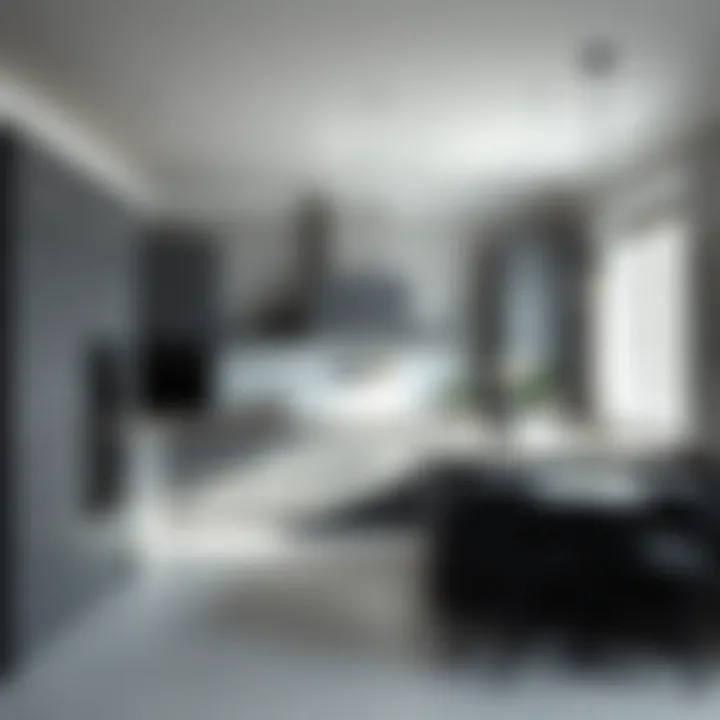
In the world of home design, choosing the right color for your kitchen can transform the entire atmosphere of your household. Grey, often perceived as a dull tone, is a powerhouse of versatility. It caters to an array of tastes and styles, from warm and inviting to cool and modern. This guide dives into grey paint kitchen ideas, offering insights into color selection, the impact of lighting, and how various elements come together to create a harmonious culinary space.
Grey has a unique ability to blend seamlessly with different palettes—think of it as a chameleon in the design world. Whether you opt for a light dove grey or a deep charcoal, the shades can significantly alter the perception of space. Pairing it with contrasting accent colors can lend a kitchen an elegant edge, while soft hues can exude comfort and warmth. As we explore further, you'll discover how different lighting affects these shades and the role of design elements in crafting your ideal kitchen.
As a canvas neutral, grey can be dressed up or down, allowing homeowners to flex their creative muscles. This guide isn't merely about slapping paint on a wall; it's about sculpting an experience that resonates with sophistication and functionality. Now, let's embark on this journey to elevate kitchens into stylish havens.
Preface to Grey in Kitchen Design
In the realm of kitchen design, color choices play a vital role in establishing an atmosphere, conveying emotions, and even influencing functionality. Grey, in particular, has emerged as a prevailing choice, bridging the gap between starkness and warmth. This versatile hue evokes sophistication while maintaining a timeless feel, making it suitable for diverse design styles. By delving into grey's multifaceted nature, we uncover its appeal, benefits, and why it deserves a prominent place in contemporary kitchens.
Grey occupies a unique space on the color spectrum; it’s a sort of neutral that can lean warmer or cooler, allowing for endless combinations with other colors. Whether you’re aiming for a minimalistic aesthetic or a cozy abode, grey can adapt accordingly. It's a color that speaks to refinement and elegance, yet it can also lend a relaxed vibe to a busy kitchen.
The choice of grey in kitchen design doesn’t merely settle on aesthetic value. It possesses practical advantages as well, such as adaptability and the ability to highlight other features without overwhelming them. Imagine pairing grey cabinets with vibrant backsplash tiles; the grey will emphasize the colors without overshadowing them. Moreover, grey's inherent qualities help mask wear and tear, which is a common concern in high-traffic cooking areas.
Additionally, grey fits beautifully into various design philosophies, from modern and minimalist to rustic and traditional styles. This flexibility means that no matter the demographic or style preference, there’s a shade of grey that suits every taste and ensures the kitchen remains functional yet stylish.
"In the culinary heart of the home, grey embodies elegance without the fuss, making it a clever choice for both practicality and style."
In sum, understanding grey’s role in kitchen design sets the stage for exploring its many shades and their applications. The allure of grey is rooted in its practicality, elegance, and versatility. It encourages creativity, lends itself to personalization, and ultimately elevates the kitchen experience.
The Allure of Grey
Grey has a captivating charm that draws both designers and homeowners alike. It serves as a blank canvas—one that can be softened with pastel colors for a playful touch or accented with dark tones for a dramatic flair. The beauty of grey lies in its adaptability. Thanks to the wide spectrum from light ash to deep charcoal, one can create myriad moods.
For example, light grey walls can create an airy, expansive feel, while darker grey tends to delve into a cocoon-like comfort. Furthermore, while many colors fall in and out of favor with the changing trends, grey retains its status. It is a color that refuses to fade away.
Beyond mere aesthetics, the psychological implications of grey are worth noting. It evokes calmness and stability, making it an ideal backdrop for the hustle and bustle of kitchen activities. Such a foundation fosters a serene cooking environment, encouraging creativity without chaos.
Grey: A Timeless Choice
When considering longevity in design, grey emerges as a quintessential choice. Timelessness is closely associated with versatility and neutrality, and grey offers both in spades. Unlike trendy colors that may date a space within a few years, grey provides a steady foundation that can weather the passage of time.
Consider this: a modern kitchen adorned with white cabinets often feels chic at first glance. However, as styles shift, one might find themselves eager to replace those stark whites with softer hues. In contrast, a grey tone can seamlessly transition through trends.
Moreover, grey complements a wide array of materials—from brushed metals to natural stone—which enhances its compatibility across different styles. Such qualities affirm grey's status as a staple in kitchen design. Whether you style it with sleek appliances or rustic wooden elements, grey not only holds its own but elevates the surrounding features.
In essence, the introduction of grey in kitchen design is not merely about a color choice. It opens pathways to create personalized spaces that reflect individual tastes while ensuring that these choices stand the test of time.
Understanding Shades of Grey
The world of grey paint in kitchen design is as varied as the shades themselves. Understanding these nuances is crucial, as each shade offers a unique ambiance and can greatly influence the overall aesthetic of a kitchen. This section will dissect the different shades of grey, revealing how they can change the feel of the space and the sensory experiences they evoke. Whether choosing a paint color for the cabinets or walls, being informed about the subtleties of grey can lead to a harmonious and stylish kitchen environment.
Warm Grey vs. Cool Grey
When one mentions grey, it might seem like a straightforward choice, yet the distinction between warm and cool grey is important. Warm greys tend to embody hints of beige or taupe, giving a cozy and inviting feel to the kitchen. Think of a soft, whispering morning light—these shades warm up the ambiance and pair beautifully with warm wood tones and golden accents.
On the other hand, cool greys lean towards bluish undertones, creating a fresh, airy feel that can make a kitchen seem more expansive. This characteristic is particularly appealing in more modern designs, where clean lines and sleek materials are the norm. The beauty lies in understanding which mood you want to evoke in the kitchen; warm grey can make it feel intimate, while cool grey lends an air of sophistication.
Light Grey as a Neutral Base
Light grey is often heralded as an outstanding neutral base, providing versatility without overshadowing other elements in the kitchen. It sets the stage for creativity and allows for an array of colors and materials to shine. A light grey kitchen can act as the perfect backdrop for vibrant artwork or striking decorative accents.
Besides, light grey works particularly well under natural light, creating a serene environment that feels both calm and chic. It can balance various textures—think of a glossy white countertop paired with soft fabric, or contrasting dark wood revisiting its elegant roots against a pale finish. This adaptability is key for cultivating a space tailored to the owner's personal style while maintaining a sophisticated edge.
Dark Grey: Emphasizing Depth
Dark grey is not just a color; it's a statement. Using deep shades of grey can add significant depth and drama to a kitchen. It envelops the space, making it feel rich and luxurious. When applied to cabinets or an accent wall, dark grey encourages a sense of grounding and stability.
Moreover, pairing dark grey with lighter elements creates remarkable contrasts, enhancing visual interest. Imagine sleek, dark grey cabinets complemented by brass fixtures—this combination not only draws the eye but adds richness and detail to the decor. Dark grey lends itself beautifully to layered lighting techniques, emphasizing textures and creating a cozy ambience, perfect for evening gatherings with friends.
"The right shade of grey can transform a kitchen into a personal sanctuary, marrying function with flair."
In essence, understanding the shades of grey is vital to cultivating a kitchen that doesn't just look good but feels good too. Each hue evokes different emotions, so knowing how to navigate these options can significantly enhance the kitchen environment, making it an inviting and stylish space.
Complementary Colors for Grey Kitchens
In any kitchen, the colors you choose can greatly influence the overall feel and functionality of the space. When it comes to grey kitchens, selecting the right complementary colors can accentuate the beauty of grey and create a balanced environment. Grey itself is a neutral color that can have various undertones, making it essential to pair it wisely to enhance its elegance.
Benefits of Choosing the Right Colors
Complementary colors serve as the visual companions to grey, uplifting the emotion and experience within the kitchen. Adding the right hues can make a kitchen feel warm, welcoming, and sophisticated. colors such as white, bold shades, or natural wood tones, can provide a striking contrast or a soft blend, depending on the desired ambiance.
The use of complementary colors also allows for flexibility in design. Each shade resonates differently in various lighting conditions, thereby giving the space a dynamic quality that evolves throughout the day.
White Accents for Brightness
White plays a pivotal role in kitchen design, particularly when paired with grey. The crispness of white accents can brighten up a space dominated by grey, making it feel more open and airy.
Key Considerations:
- Balance: White can be used in cabinetry, countertops, or even wall tiles. It creates a much-needed contrast against darker grey tones or enriches lighter shades.
- Reflectivity: High-gloss white finishes bounce light around, further enhancing the brightness in your kitchen.
In essence, integrating white accents can result in a striking visual balance when paired with grey.
Bold Colors to Contrast
For those who prefer a more daring approach, introducing bold colors can transform a grey kitchen into an eye-catching masterpiece.
Some options include:
- Deep Blue or Teal: These colors can bring a touch of luxury, especially in accessories or even statement kitchen islands.
- Rich Burgundy or Red: Adding such deep and warm hues against grey creates a rustic yet modern feel, adding depth to the overall design.
The interplay of bold colors with grey invokes a sense of sophistication and energy, keeping the kitchen lively yet elegant.
Natural Wood Tones
Wood tones introduce an element of nature that softens the starkness of grey. Incorporating natural wood can be achieved through cabinetry, flooring, or decorative items.
Enhancing the Space:
- Warmth: The earthy tones of wood bring warmth and texture to fluid grey palettes which can feel a bit industrial or cold without the right additions.
- Versatility: There’s a vast spectrum of wood tones available from light oak to dark walnut, allowing you to match or contrast with the grey chosen in your kitchen.
Using natural wood alongside grey creates a balance of elegance and comfort, making the kitchen not only visually appealing but also inviting.
Integrating complementary colors into your grey kitchen design is not simply a matter of aesthetics; it's fundamental to creating an inviting and functional space.
Effective Lighting in Grey Kitchens
Lighting can make or break a kitchen aesthetic, particularly when working with shades of grey. The interplay between light and color can elevate the design while simultaneously creating an inviting atmosphere. In grey kitchens, effective lighting serves not only a practical purpose but also an artistic one. The right lighting choices can highlight textures, amplify shades, and lend a sense of depth that might otherwise go unnoticed.
Natural Light Considerations
Natural light is the lifeblood of design and ambiance. Imagine a grey kitchen bathed in the soft, golden hues of daylight; that soft illumination adds warmth and dimension to an otherwise subdued palette. Here are a few considerations to ensure your kitchen receives ample natural light:
- Window Placement: Positioning your windows strategically can enhance light capture. Larger windows or glass doors can flood a space with sunlight, making the grey tones appear more dynamic.
- Reflective Surfaces: Elements like glossy tiles or high-shine cabinetry can bounce light around the room. What might be a dull grey in shadows could transform into a vibrant tone under natural light.
- Skylights: If you have the opportunity, consider adding skylights. They bring in natural light from above, offering another angle of illumination that enhances color.
"Natural light can bring life to grey kitchens, making them feel modern, open, and inviting."
The Role of Artificial Lighting
Artificial lighting is essential for maximizing your kitchen's usability, especially during those dusky hours. It transforms the kitchen from a mere utility area into a beautifully illuminated space conducive to both cooking and gathering. To integrate artificial lighting effectively:
- Task Lighting: Focused lights above the countertops or cooking areas ensure you can whip together a gourmet meal without straining your eyes. Pendant lights or under-cabinet lighting work wonders here.
- Ambient Lighting: General lighting—like ceiling fixtures—creates a warm glow that makes the space feel more open. Consider fixtures that play well with the grey; something metallic, like brushed nickel, can create an elegant contrast.
- Accent Lighting: Use this to spotlight art or unique features in your kitchen. For instance, adding LED strips along shelves can give a sophisticated touch to a grey palette.
Layered Lighting Techniques
Layering is the secret ingredient in achieving a well-lit kitchen and provides versatility. Think of it as having multiple lighting "tools" at your disposal to craft the right mood. Here’s how to implement layered lighting effectively:
- Combine Different Styles: Mix chandeliers with recessed lighting for a touch of drama along with practicality.
- Dimmer Switches: These allow you to adjust the brightness according to the mood or time of day. You might want that kitchen to feel cozy during dinner while still being bright and functional during the day.
- Sconces and Floor Lamps: These can add character and warmth to grey kitchens, particularly in more rounded layouts or added seating areas. They serve both as functional and aesthetic pieces.
Using layered lighting fosters a balance that complements the subtle details in your grey kitchen, meeting both functional and aesthetic needs.
Textures and Materials to Enhance Grey
Incorporating textures and materials into a grey kitchen design can transform a monochromatic palette into an engaging visual spectacle. The depth that textures bring to a space can elevate its overall aesthetic while serving practical functions that enhance durability and maintenance. This section will explore various elements, benefits, and considerations regarding the textures and materials essential to making grey kitchens stand out.
Matte vs. Gloss Finishes
Choosing between matte and gloss finishes can drastically affect the character of your grey kitchen. Matte finishes absorb light, giving off a more subdued and sophisticated appearance. This can create a calm environment, allowing the grey tones to harmonize beautifully with surrounding elements. However, one should be cautious as matte surfaces can be more prone to wear and may require extra effort to keep clean.
On the other hand, gloss finishes offer a shiny surface that reflects light, which can make a kitchen seem brighter and larger, especially in spaces where natural light is minimal. Glossy surfaces are typically easier to wipe down, making them more resistant to stains and easier to maintain over time.
Ultimately, the decision between matte and gloss should resonate with your personal style and the overall design intent of the kitchen.
"The finish you choose will not only affect the look of your kitchen but also its practical functionality."
Incorporating Metal Elements
Metal elements can weave a striking narrative in a grey kitchen, adding complexity and industrial flair. Consider features such as stainless steel appliances, brass fixtures, or black metal accents. These materials can create a stunning contrast against grey, making them essential in marrying functionality with aesthetics.
For example, mixing brushed nickel handles with a slate grey cabinet creates an effortless blend of modernity and elegance. Alternatively, opting for warmer metals like bronze can infuse a sense of coziness into the kitchen environment. Careful selection of metal tones can also determine the mood; cooler metals tend to evoke a sleek, contemporary feel, while warmer tones create a more traditional vibe.
Ceramic and Stone Surfaces
Integrating ceramic and stone surfaces is another effective way to enhance the visual and tactile experience in a grey kitchen. Ceramic tiles can be a versatile choice; they come in an array of colors and patterns that can complement or contrast with the grey hues, adding a playful twist to your design. Furthermore, they are durable and resistant to water and heat, making them a smart choice for high-traffic areas.
Stone surfaces, such as granite or marble, can serve as impressive focal points. A grey-and-white marble countertop not only elevates the kitchen's elegance but also contrasts beautifully with darker grey cabinetry, providing an eye-catching interplay of materials. The natural variances in stone can introduce unique textures to your kitchen, making each surface not just functional, but a piece of art as well.
When selecting these materials, consider factors such as durability, maintenance, and how they can fit into your lifestyle. The interplay between these surfaces and shades of grey ensures your kitchen remains both stylish and practical.
Grey Cabinets: A Central Element
When envisioning a kitchen, the cabinets often become the nucleus around which design ideas revolve. In the context of grey kitchens, these cabinets carry significance far beyond mere functionality; they become key players in setting atmosphere and character.
The color grey captures a wide range of emotions and styles, from soothing and subtle to bold and dramatic. Choosing grey cabinets means opting for a palette that promotes harmony and sophistication while still allowing for versatility. They'll serve not only to store kitchen essentials but also act as natural focal points that invite both elegance and comfort into one’s cooking space.
One primary benefit of grey cabinetry is its adaptability. Grey can harmonize beautifully with various textures, materials, and color accents, which is an undeniable boon in a kitchen setting. It enables a homeowner or designer to easily transition between styles without the hassle of complete renovations. Moreover, a thoughtfully chosen grey shade can elevate the kitchen's aesthetics, enhancing its overall value.
But it’s important not to overlook the nuances in selecting the right shade of grey. To aid in this endeavor, let’s delve deeper.
Choosing the Right Shade
Grey is not just grey; it’s a spectrum. From light silvery tones to deep charcoal, each shade brings forth its unique personality:
- Light Grey: This shade often brings an airy and spacious feel, perfect for smaller kitchens or spaces striving for a bright and contemporary look.
- Mid-tone Grey: This versatile shade can bridge the gap nicely, seamlessly transitioning into warm or cool accents. It’s smart for kitchens aiming for a balanced, all-around aesthetic.
- Dark Grey: For a more commanding presence, dark shades can offer a dramatic contrast against lighter elements and introduce depth. This choice can evoke a rich, luxurious feel reminiscent of high-end design.
Ultimately, selecting the right hue requires personal preference and a sharp insight into how it complements your larger vision for the kitchen. Don’t hesitate to test paint swatches in varying lighting conditions because, as any designer knows, light can dramatically alter the perception of color.
Open Shelving in a Grey Palette
Another trend gaining traction is the incorporation of open shelving, which pairs beautifully with grey cabinets. This design element is not just about aesthetics; it’s a practical way to showcase dining wares, cookbooks, or decorative accents that reflect one’s style and personality.
With grey cabinets as a backdrop, open shelves offer a striking yet cohesive look:
- Displaying Colorful Dishware: Bright-colored dishes or pots can pop against the neutral backdrop of grey, adding a vibrant focal point.
- Adding Texture: Wooden shelves can bring warmth, while metal brackets can add a touch of industrial flair. These contrasting elements soften the starkness of the colour grey while injecting individuality.
When using open shelving, it’s essential to consider balance. Arranging items with an eye for design—grouping like colors or mixing textures—can create a visually pleasing arrangement. Each piece on display becomes an integral part of the kitchen’s personality, and when combined with grey cabinets, it sets the stage for a welcoming yet efficient culinary haven.
In summary, grey cabinets are indeed a central element in kitchen design. They can embody elegance while providing functional value, and when paired with thoughtful additions like open shelving, they beautifully enhance the overall aesthetic of the culinary space.
The Impact of Backsplashes
In the realm of kitchen design, backsplashes often serve as much more than mere protection against splatters and stains. They act as a pivotal design element that can either unite or disrupt the overall aesthetics of a space, especially in a grey kitchen. The right backsplash can enhance the color scheme, add depth, and reflect the personal style of the homeowner. Therefore, understanding how to select an appropriate backsplash is crucial.
First off, backsplashes are like the icing on the cake. They come in various materials like glass, ceramic, or stone, and choosing the right one can define the character of your kitchen. Given the neutral palette of grey paint, a well-chosen backsplash can inject personality, contrast, or cohesion into the mix.
Matching Backsplashes with Grey
When it comes to pairing backsplashes with grey hues, there’s a bit of artistry involved. Grey is a versatile color that can lean slightly warm or cool, so the choice of backsplash should carefully consider these undertones. For instance, if you’ve got a warmer grey, pairing it with a beige or creamy backsplash creates a soothing, cohesive look.
On the flip side, cool greys are often complemented well with crisp white or even navy blue backsplashes. This contrast can provide a striking and modern appearance that’s hard to ignore.
"The right backsplash not only protects your walls but also becomes a stage for your creativity."
Moreover, patterned tiles can add a layer of interest. For simple layouts, less ornate backsplashes might be the way to go to keep from overwhelming the design, hence achieving balance in your kitchen.
Patterns and Textures
Different patterns and textures can dramatically alter the perception of space, and grey kitchens benefit from this selective approach. When thinking about patterns, there are numerous options to explore. Subway tiles arranged in a herringbone pattern could inject a modern flair, while intricate mosaic tiles might evoke a more traditional vibe.
Textures are equally important. A shiny, glossy backsplash could lift the room and bounce light around, making it feel larger and more open. In contrast, a matte finish can create warmth and subtlety, ideal for a more relaxed atmosphere.
- Glossy Tiles: Reflective surfaces can enhance natural light.
- Matte Tiles: Add sophistication and warmth.
- Textured Stones: Bring organic and rustic appeal.
When stacking textures—say, pairing a smooth grey cabinet with a textured stone backsplash—you’re not only creating depth but also elevating the kitchen’s design to a more sophisticated level.
Flooring Options that Pair Well with Grey
Choosing the right flooring for a grey kitchen is more than just a visual decision; it’s about harmonizing design elements while ensuring functionality. Flooring needs to withstand daily use and maintain its appeal over time, especially in a kitchen environment. It sets the stage for the entire look and feel of the space, contributing significantly to the overall aesthetic.
When working with a palette dominated by grey, flooring options should either contrast or complement the shades present in cabinetry and decor. A careful choice can unify the kitchen while allowing grey to shine in all its glory.
Wood vs. Tile
Wood Flooring: Wood offers warmth and a touch of nature that can beautifully soften the clean lines of a grey kitchen. Consider rich, dark woods like oak or walnut which can create an elegant contrast against lighter grey surfaces. Whereas lighter woods, such as ash or birch, can emphasize a more airy feel if you’re leaning toward a minimalistic style.
- Pros:
- Cons:
- Adds warmth to the cool tones of grey.
- Versatile in style, fitting both contemporary and traditional settings.
- Can be refinished for longevity.
- Susceptible to moisture damage.
- Requires regular maintenance to keep in good shape.
Tile Flooring: On the other hand, tile is essentially a blank canvas. Available in various colors and finishes, tiles can range from sleek, glossy finishes to rustic, textured ones. They work wonderfully with grey kitchens since you can choose patterned tiles that add visual interest or a stark monochromatic tile that allows the grey to be the focus.
- Pros:
- Cons:
- Highly durable and resistant to stains.
- Suitable for high foot traffic areas and easy to clean.
- Various designs available, including imitation wood finishes.
- Can feel cold underfoot, unless heated.
- Installation can be more complicated than wood.
Durability and Maintenance Considerations
When discussing flooring types, durability is a key factor, as no one wants to replace their flooring every few years. Wood, while beautiful, may not hold up against spills and wear in a busy kitchen; it has the potential to warp or stain. Tile, however, is resilient against such common issues.
Moreover, maintenance varies greatly between these two. Wood floors may require sanding, sealing, and periodic re-staining to maintain that fresh look, which can be time-consuming. Tile floors can be cleaned with just a mop and some detergent.
In short, wood flooring offers aesthetic appeal and warmth, crafting a cozy atmosphere, while tile provides robustness and low maintenance, perfect for the hustle and bustle of everyday kitchen life. The right choice depends on your lifestyle, aesthetic preference, and the specific nuances of your grey kitchen.
Ultimately, selecting the flooring shouldn't just be about trends; it’s about what fits your life style and the experience you want in your kitchen space.
For more on kitchen flooring options, check resources like Wikipedia and Britannica for insights on materials.
Furniture and Decor in Grey Kitchens
In the quest for a stylish kitchen, the role of furniture and decor cannot be understated. They breathe life into the design, offering not just function but also a sense of personal style. In grey kitchens, where the palette often leans toward monochromatic elegance, the selection of furniture and decor becomes vital in ensuring the space does not feel cold or uninviting. Choosing the right pieces can elevate the kitchen from mere utility to an inviting haven.
Selecting the Right Furniture
Choosing the right furniture involves more than just picking a set of chairs and a table. It’s about harmonizing designs, materials, and colors that complement the grey tones without overwhelming them. For instance, selecting wooden furniture with a warm undertone can create a pleasant contrast against cooler shades of grey. Pieces in light oak, for example, can add warmth, while darker woods can establish depth and richness.
Consider practical and stylish options such as:
- Counter-height tables for a more casual dining experience
- Open-base shelving to display dishware or decor without closing off the space
- Bar stools to create a functional breakfast nook space
When selecting furniture, think about scale and proportion. A bulky dining table may dwarf a small kitchen, whereas sleek, minimalist designs can enhance a sense of space. Always look for items that serve a purpose and can blend beautifully into the grey theme without becoming too dominant.
Accents that Compliment Grey
Accents are like the cherry on the cake in kitchen design—they finalize the look and add a layer of personal touch. When dealing with grey, the accents chosen must contribute to the overall ambiance rather than distract from it. Here are some considerations when selecting accents that work well with grey kitchens:
- Textiles: Consider incorporating bold textiles that feature vibrant colors or intricate patterns. Kitchen towels, rugs, or curtains in vibrant reds or sunny yellows can brighten grey tones.
- Art pieces: Wall art or framed photographs can breathe personality into a grey kitchen. Black-and-white images or colorful artwork can serve as a focal point.
- Ceramic or Glass Decor: Items like vases or bowls can introduce soft color and texture, balancing the cooler tones of grey. Simply placing fresh flowers in a clear vase can totally change the mood of the space.
- Lighting Fixtures: Unique pendant lights or intricate chandeliers can add elegance. Choose fixtures that contrast with the grey; a brass finish can provide warmth and sophistication.
"Accents can be the subtle sprinkle of spices that turn a basic dish into a culinary masterpiece." Choosing the right accents for your grey kitchen means enhancing its architectural beauty while ensuring it feels warm and inviting.
Case Studies of Grey Kitchen Designs
The exploration of grey kitchen designs can take many forms, each unique in its vision and execution. Case studies provide invaluable insights into how grey can be applied in practical spaces, showcasing not only the aesthetics but also the functionality that an effectively designed kitchen requires. By examining specific examples, homeowners and designers alike can glean inspiration, ideas, and perhaps avoid common pitfalls in their own projects.
Consider the various aspects of designing grey kitchens:
- Visual Effect: Observing actual designs reveals how light interacts with different shades of grey, playing against kitchen elements like cabinets and flooring.
- Practical Applications: Real-world experiences highlight how certain patterns and layouts can enhance or overwhelm a space, offering lessons on what works and what doesn’t.
- Innovation: Case studies often reveal creative approaches, from hybrid color schemes to unique textures that breathe life into grey kitchens.
In summary, delving into case studies is like peeking behind the curtain of kitchen design, allowing us to see winners and losers when it comes to utilizing grey as a foundational color.
Modern Minimalist Grey Kitchens
Modern minimalist grey kitchens epitomize simplicity while embracing sophistication. This design style is characterized by clean lines, unadorned surfaces, and an open feel that allows functionality to shine through.
- Essentials of Minimalism: In these spaces, every element is deliberate. A palette dominated by soft greys, paired with sleek cabinetry made of materials like laminate or smooth-painted wood, creates a serene ambiance. Accents in shiny stainless steel or matte black can add just the right amount of contrast without overwhelming the senses.
- Layout Considerations: Open-concept designs work particularly well in modern minimalism, promoting a seamless flow between the kitchen and adjoining spaces. An island can serve as both a cooking area and an informal dining space, further emphasizing an uncluttered aesthetic.
- Storage Solutions: Smart storage, such as pull-out cabinets and concealed appliances, preserves the clean lines essential to the minimalist ethos.
In a modern grey kitchen, the absence of clutter is itself a statement, allowing the beauty of simplicity to take center stage.
Traditional Designs with a Grey Palette
On the other end of the design spectrum lies traditional grey kitchens, where classic elements meet contemporary color choices. These kitchens bear a timeless quality that appeals to many.
- Incorporating Heritage: Traditional designs often favor detailed architectural features—think crown molding, paneling, and decorative trim work. A soft dove grey can enhance these ornate details without detracting from them. Incorporating warm wood tones can harmonize beautifully with the cooler grey tones.
- Color Combinations: Adding accents such as a darker charcoal grey or even muted tones like sage green can bring depth while maintaining the classic feel. Using complementary colors helps create a more nuanced look that honors traditional aesthetics.
- Personal Touches: Elements such as farmhouse sinks or vintage-inspired fixtures create warmth and nostalgia. Layering textures through patterned textiles or intricate pottery can elevate the overall ambiance of a traditional grey kitchen.
Personalizing Your Grey Kitchen
Personalizing your grey kitchen transforms a standard cooking space into a reflection of your style, taste, and lifestyle. While grey may serve as a neutral canvas, it's what you add on top that truly defines its character. It’s not merely about slapping on some paint and hoping for the best; it’s about creating an environment that invites comfort and functionality without sacrificing aesthetic appeal. This guide illustrates how personal touches can elevate the overall design, pushing it from generic to truly unique.
"Your kitchen should be as flavorful as the dishes you prepare."
Incorporating Personal Touches
Infusing your personality into your kitchen design is all about the details. When you walk into your grey kitchen, it should feel like an extension of your identity. Here are a few suggestions to bring your individual style out:
- Artwork: Hanging prints, photographs, or even your own masterpieces can add color and personality. Large-scale art can create a striking focal point, drawing the eye and igniting conversation.
- Personal Collections: Whether it’s an antique teapot or modern ceramics, showcasing your cherished items can add warmth. Displaying them tastefully can make your kitchen feel lived-in and loved.
- Textiles: Using custom-made curtains or choosing unique dish towels can subtly reflect your preference for textures or patterns. Layering different fabrics can also create a cozy feel.
- Color Accents: While your primary color may be grey, accents can introduce liveliness. A vibrant vase or colorful fruit bowl can serve as an eye-catching counterpoint, sparking interest amid the subtle backdrop.
- Lighting Fixtures: Opting for unique light fixtures not only provides necessary illumination but also acts as sculptural elements in the space. Think about vintage or artisanal options that resonate with your style.
These personal touches are not just decor; they are conversation starters and pieces of your story that allow guests a glimpse into who you are.
Adapting to Lifestyle Needs
Customizing your kitchen must also take into account how you use the space daily. Understanding your lifestyle and aligning that with your kitchen design can lead to greater functionality and satisfaction. Keep these considerations in mind:
- Culinary Habits: If you’re an avid cook, ensure that the layout and features cater to your culinary passions. A well-positioned island, accessible appliances, and ample storage for utensils can create a seamless cooking experience.
- Family Engagement: If your kitchen serves as a gathering space, consider layout aspects that promote interaction. Open spaces with seating arrangements encourage conversation and participation during meal preparation.
- Accessibility: For those with mobility considerations, ensure that drawers, cabinets, and surfaces are easy to reach. Designs that accommodate accessibility can greatly enhance the usability of the space.
- Sustainable Choices: If sustainability aligns with your values, think about incorporating eco-friendly materials and energy-efficient appliances. This both reduces your carbon footprint and adds a layer of conscientiousness to your kitchen design.
- Multi-Functional Spaces: In today’s fast-paced world, flexibility matters. Consider integrating features like collapsible tables or adjustable shelving that can adapt to your needs, whether hosting gatherings or enjoying quiet dinners.
Your grey kitchen, when tailored to your lifestyle needs, becomes a place that not only looks good but also feels good to live and work in.
Grey Kitchen Trends to Watch
In the realm of interior design, kitchens frequently take center stage as the heart of the home. They are not merely spaces for cooking; they hold the promise of gatherings, conversations, and creativity. The color grey, with its vast spectrum of shades, introduces elegance and coherence, making it a predominant choice. In this section, we’ll explore two significant trends in grey kitchens that embody both utility and aesthetic appeal: sustainable materials and smart kitchen technologies.
Sustainable Materials
Sustainability is no longer a passing fad; it’s a fundamental aspect of modern design. Homeowners today are increasingly aware of their environmental footprint and prefer materials that reflect their values. This is particularly true in kitchen spaces where high-quality materials can last and still be eco-friendly.
When considering grey kitchens, sustainable materials like reclaimed wood, bamboo, and recycled metal blend beautifully with various shades of grey.
- Reclaimed Wood: This material adds warmth and character. Imagine soft grey cabinets paired with a counter made from old barn wood, each blemish telling a story. The contrasting textures give depth and interest.
- Bamboo: A rapidly growing plant, bamboo is a superstar in sustainability. It has a modern look that pairs well with light grey cabinetry, creating a serene and fresh atmosphere.
- Recycled Metal Elements: Consider hardware or light fixtures made from recycled metals. They not only make a stylistic statement against a grey backdrop but also support eco-conscious initiatives.
"Sustainable kitchens not only reflect personal style but also contribute to global well-being."
Choosing sustainable materials can result in a home that is chic yet responsible, appealing to those keen on environmental stewardship while maintaining the elegance of their culinary space.
Smart Kitchen Technologies
As kitchens evolve into multifunctional spaces, the integration of smart technologies is an exciting development. Grey kitchens can harness these innovations to merge style with convenience. With the right tech adjustments, cooking and entertaining can become incredibly efficient equipped with the latest technology.
- Smart Appliances: Imagine a sleek, grey refrigerator that connects to your Wi-Fi, allowing you to track food inventory and suggest recipes based on available ingredients.
- Automated Lighting: Integrated systems can adjust light intensity throughout the day based on natural light availability, ensuring that your grey kitchen always feels warm and welcoming.
- Voice-Activated Controls: Enabling hands-free assistance allows users to interact with appliances and devices, making cooking a breeze—even while your hands are busy!
The beauty of these technologies is they not only elevate the functionality of grey kitchens but also harmonize visually with the overall design aesthetic, creating a seamless blend of the modern and the classic.
In summary, keeping an eye on sustainable materials alongside smart kitchen technologies will ensure that your grey kitchen isn’t just on-trend but also forward-thinking. This combination of eco-friendliness and innovation epitomizes what a contemporary kitchen should be.
Final Thoughts on Grey Paint Kitchens
When it comes to designing a kitchen, the choice of paint color is crucial. Grey paint in particular has gained popularity over the years. Its flexibility makes it suitable for various aesthetics, whether you’re aiming for a modern, rustic, or even a vintage vibe. Grey serves not just as a mere backdrop but as an active participant in creating an ambiance that resonates with both functionality and style.
Embracing Versatility
Grey paint opens a Pandora’s box of possibilities, essentially redefining how spaces can feel. One of its standout characteristics is its ability to harmonize with an eclectic mix of materials and design schemes. For instance, a slate grey can be striking against a backdrop of white cabinetry, creating a crisp contrast that elevates the room’s overall appearance. On the other hand, a softer dove grey brings about a sense of warmth, which can be particularly inviting in larger kitchens.
Some benefits of incorporating grey include:
- Adaptability: Different shades from light to dark can fit into diverse design elements. You can easily switch up accents without worrying about clashing.
- Complementary Pairings: Grey pairs beautifully with natural wood tones, warm whites, or even bold colors like mustard yellow—each creating a unique visual narrative.
- Low Maintenance: Greys typically hide smudges better than lighter colors, making upkeep a bit simpler, especially in a high-traffic area like the kitchen.
"Grey is the ultimate neutral; it can make or break a design depending on how it is used and paired with other elements."
Creating Your Ideal Space
Creating your ideal kitchen space means considering not just the color but also your lifestyle requirements. Think about how you use your kitchen day-to-day. If you enjoy hosting, a robust dark grey can create a sophisticated environment, inviting elegance into gatherings. Meanwhile, lighter greys may enhance the sense of space in a smaller kitchen, making it feel larger and airier.
To ensure your kitchen feels unique and personal, here are some considerations:
- Personal Touches: Incorporate your personality into the design—art pieces, custom cabinetry, or even decals can enhance the grey without overwhelming it.
- Functional Layout: Whether it’s an island for prep work or ample counter space, the layout should flow with your routine. Make sure the grey doesn’t hinder functionality.
- Blending Elements: Consider how grey interacts with other elements in the room—lighting, fixtures, and appliances. Will they enhance or detract from the overall feel?
By fully harnessing the potential of grey paint in your kitchen, you can truly create a space that meets your aesthetic desires while also serving your practical needs. This concludes our comprehensive exploration of grey kitchens, highlighting their multifaceted nature and the individual choices that mark each personal space.