
Choosing the Perfect Color Palette for Your Home Office

Intro
Crafting a space that not only reflects your personality but also enhances productivity is no small feat. This is particularly true for a home office, which should serve as a sanctuary for creativity and focus. Colors play a pivotal role in this environment, as they influence our emotions and concentration levels subtly yet profoundly. Navigating through the myriad of shades can feel overwhelming, but understanding the psychological effects of color opens doors to creating a workspace that truly resonates with individual preferences and requirements.
This article delves into the significance of selecting the right color palette for your home office, illuminating the connection between color, productivity, and general well-being. Readers will discover strategies to align their color choices with their personal tastes and functional needs, along with practical applications for these colors across varying office settings. Let's embark on this colorful journey of creating an inspiring workspace that fosters both efficiency and comfort.
Understanding Color Psychology
Color is not just a superficial element in design; it’s rooted in psychological principles. Different hues can evoke a spectrum of feelings and reactions. For example, blue is often associated with calmness and concentration, making it an excellent choice for a serene office atmosphere. In contrast, vibrant yellows can stimulate creativity and optimism, which might suit a more dynamic working style.
When selecting colors, consider the activities that will take place in your office. Will you be engaged in brainstorming sessions, or is it primarily a place for focused tasks?
Key Color Categories
- Cool Colors: Blues and greens promote tranquility and focus.
- Warm Colors: Reds, oranges, and yellows invigorate and inspire.
- Neutrals: Grays, whites, and beige allow flexibility and can balance more vibrant colors.
"The color of the walls can be as influential as the desk you work at."
Selecting Your Palette
Choosing the right palette involves introspection and practical consideration. Here are a few strategies to streamline the process:
- Reflect on Personal Preferences: What colors resonate with you? If you find solace in earthy tones, then incorporating greens and browns may help create a grounding ambiance.
- Assess the Space: Take into account the room’s natural light and size. Lighter colors can make a compact space feel airy, while darker shades can provide depth in larger environments.
- Consider Functionality: Align color choices with the intended function of the space. If your work requires intense focus, a soft green or blue might be more beneficial than a vibrant hue.
By intertwining these aspects, you can begin to construct a palette that not only conveys style but also supports wellbeing and productivity.
Applying the Color Palette
Once you have a color palette in mind, the next step is determining how to implement these colors thoughtfully within your space. The following strategies can help:
- Accent Walls: Choose one wall to feature a bold color that reflects your intent, while keeping others muted for balance.
- Furnishings: Integrate pieces in your selected palette. A deep blue desk chair can add a touch of elegance without overwhelming the space.
- Artwork and Accessories: Introduce art or decorative items that echo the colors chosen for the room, creating a cohesive look.
Every element in the office can harmonize with your chosen colors, reinforcing the desired atmosphere.
Culmination
In crafting the perfect color palette for your home office, remember that personal touches and careful planning are key. The right colors will not only beautify the space but also enhance your mood and productivity. Whether it's through the calming depths of blue or the invigorating brightness of yellow, tailoring this aspect will ensure your workspace becomes an inspiring haven.
For further exploration of color psychology, consider visiting educational resources like Wikipedia or Britannica.
By understanding the interplay of colors and the psychological responses they elicit, you can create an environment that propels you towards your best work.
Understanding the Importance of Color in Home Offices
Colors aren’t just for jazzing up a wall or picking a throw pillow. They play a vital role in how one feels and functions in a space, especially in a home office setting. Understanding the impact of color can make the difference between a bland workspace and one that inspires creativity and productivity. The right color choices can help create an environment that fosters focus, calmness, and even motivation.
Color Psychology and Its Relevance
The psychology of color has been debated and explored for years. Different hues evoke various responses, and it's pivotal to consider these effects when selecting color palettes for your home office. For instance, blue tends to be associated with tranquility and focus, making it ideal for a space meant for concentration. On the flip side, bold colors like red can stimulate energy but may also lead to feelings of overwhelm if overused. Imagine walking into an office painted entirely in fiery red; it’s a bit like jumping into a kettle of boiling water.
Understanding color psychology means you can tailor your workspace not just for aesthetics, but for functionality. Placing warm tones like yellows and oranges in a space could generate vibrancy and creativity, but too much may create chaos. The art lies in striking a balance, recognizing how these colors interplay with your daily workflow and energy levels.
Effects of Color on Productivity
Productivity in a home office rarely relies solely on desk organization or cutting-edge technology; surprisingly, the colors around you impact it deeply. Research suggests that specific colors can significantly affect both how effectively you work and how you feel while doing it.
- Cool Colors (Blues & Greens): Often considered to enhance concentration, these colors can help induce a calm mental state.
- Warm Colors (Reds & Oranges): Energizing as they may be, an excess of warmer tones might lead to distractions or anxiety.
- Neutrals: While versatile, they require careful accents to ensure they don’t dull creativity or excitement in the space.
According to a study conducted by the University of Texas, certain productivity effects meld with color choices, suggesting that people working in blue-tinged spaces performed better on intellectual tasks compared to other color environments. This demonstrates the necessity of being intentional when choosing colors, as they may either drive or hinder your daily accomplishments.
Mood Enhancement through Color Choice
Have you ever entered a room and felt instantly more relaxed or invigorated? Color has an uncanny ability to affect our emotional states. In a home office, which often doubles as a personal sanctuary, it's essential to choose colors that elevate your mood rather than suppress it.
For example, incorporating browns and earthy tones can foster a sense of stability and comfort, making them excellent choices for those who may find traditional office environments daunting. In contrast, brighter colors like lime green or vibrant purple may inject a burst of liveliness, making the space feel more like a personal haven rather than a monotonous workspace.
Remember, creating your home office is an act of personalization. Your color palette is a form of self-expression; it encapsulates who you are while ensuring it promotes a constructive atmosphere. Choosing the right colors can turn an uninspiring work environment into a place where your ideas flow as freely as the bright colors surrounding you.
"Color is the keyboard, the eyes are the harmonies, the soul is the piano with many strings." - Wassily Kandinsky
Identifying Your Personal Style
Identifying your style involves more than just selecting pretty colors. It points toward a comprehensive understanding of what resonates with you, your functional needs, and how you interact with space and color. A well-curated color palette can enhance not just the look of your office but also elevate your mood and productivity.
Assessing Your Preferences
The first step in honing in on your personal style is a thorough assessment of your preferences. Begin by observing the colors that draw your attention in different contexts—be it in nature, fashion, or home decor. Do you prefer vibrant hues that energize the space or soft pastels that soothe your senses? Consider making a mood board featuring images, textures, and palettes that resonate with you. This visual representation can serve as a guide when you begin selecting colors for your office.
Some questions to ponder:
- What colors have I chosen for my living spaces?
- Do I lean towards cool shades like blues and greens, or do warmer tones like reds and yellows appeal to me more?
- Are there specific patterns or textures in fabrics that I find comforting or stimulating?
Identifying these preferences can create a foundation upon which to construct your ideal workspace.
Incorporating Personal Elements
Once you have a sense of your color preferences, think about how you can incorporate personal elements into your palette. This could be through items that hold sentimental value—like a painting or decorative objects—or colors that remind you of a memorable experience. For instance, if a particular shade of blue reminds you of the sea, utilizing similar tones can evoke a feeling of calm and nostalgia within your home office.
You might also consider cultural influences that shape your aesthetic preferences. Perhaps the earthy tones of your heritage invoke a sense of warmth and belonging, or the minimalism of Scandinavian design speaks to your love for simplicity. Integrating these personal elements can create a workspace that not only looks cohesive but feels distinctly yours.
Balancing Aesthetics and Functionality
Finding the delicate balance between aesthetics and functionality is crucial in your office design. While it’s tempting to choose colors based solely on visual appeal, it's vital to ensure that these choices support your work. A color that's soothing may also help to create a peaceful environment, while a pop of color can invigorate a dull corner.
Consider how the colors influence your motivation and focus throughout the day. Does a lighter, neutral background help you think clearer, or does a darker hue invite more concentration? Using accent colors in accessories, like a vibrant chair or a bold desk lamp, can introduce character without overwhelming the senses.
Ultimately, a thoughtfully curated color scheme should facilitate productivity while still feeling authentic and personal. Remember:
- A workspace that reflects your tastes enhances comfort and productivity.
- The right colors can uplift or calm; choose according to your workflow needs.
- Test color samples in your space to see how they change under different lighting throughout the day.
A well-designed color palette is an extension of who you are. It should serve both function and form.
Choosing a Dominant Color
Exploring Neutral Colors
Neutral colors can serve as excellent candidates for a dominant hue in a home office. They offer a sense of calm and grounding, fostering a productive environment essential for focused work. Shades like beige, taupe, or soft gray act as a blank canvas that can harmonize with myriad accent colors to provide depth in the decor.
By opting for a neutral tone, you minimize distractions, allowing your thoughts to flow freely. For added interest, you could experiment with different textures, such as a matte finish or a subtle sheen. Incorporating natural elements—think wooden furniture or plants—against a neutral backdrop can create an inviting yet sophisticated workspace.
Vibrant Colors and Their Impact
On the flip side, choosing a vibrant color as your dominant hue can inject energy and excitement into your office. Colors like cobalt blue, fiery red, or vivid green can stimulate creativity and inspire a sense of urgency; however, they must be used judiciously. Too much vibrancy can overwhelm the senses and become counterproductive.
When integrating vibrant shades, consider using them in a way that allows them to pop without dominating the space. This might mean painting an accent wall or incorporating these colors through furniture and accessories. By doing so, you strike a balance that enhances your productivity while maintaining an invigorating work atmosphere.
Trendy Shades for Modern Offices
In the realm of design, trends come and go, but certain colors have established themselves as timeless favorites within modern office decor. Soft pastels, such as muted peach or pale lavender, are becoming quite popular as dominant colors. They provide a refreshing atmosphere that promotes tranquility and calmness while still being stylish and contemporary.
Meanwhile, deep jewel tones like emerald green or sapphire blue can convey sophistication and status, aligning perfectly with the tastes of discerning individuals in creative and professional fields. When selecting a trendy shade, it’s vital to consider how it resonates with both the functionality of your home office and your own sensory preferences.
"A dominant color is like a good piece of art: It should inspire, uplift, and bring together the entire room's narrative."
When harmonizing these dominant colors with accents, remember not to rely too heavily on market trends alone. Each color should complement your personality and the vibe you wish to create. A well-thought-out color palette that starts with a strong dominant color can make all the difference in transforming your home office into an inspiring space.
Creating a Color Scheme
Creating a color scheme is arguably one of the most crucial steps when it comes to designing a home office. It's not just about slapping some paint on the walls and calling it a day; this is about crafting an environment that resonates with your personal style and facilitates productivity. A well-thought-out color scheme can set the mood of your workspace, affect your efficiency, and even influence your creativity.
When fusing colors, it’s essential to think about how they will interact with each other and the overall atmosphere you wish to create. The beauty of a color scheme lies in its ability to either energize or soothe, depending on your profession and personal preferences. By understanding color relationships and identifying the mix that aligns with your work needs, you not only make aesthetic choices but also create a functional workspace that speaks to who you are.
Here are some factors to ponder when setting your colors:
- Functionality: Does the color enhance focus or creativity?
- Personal Vibe: Does it reflect your style?
- Balance: Are the colors harmonious?
- Lighting: How do they look in natural and artificial light?
All said and done, don’t approach this task lightly; your home office color scheme can make or break your productivity.
Complementary vs. Analogous Colors
When selecting colors, understanding the relationship between complementary and analogous hues is fundamental. Complementary colors are those found opposite each other on the color wheel. They vibrate against one another, resulting in contrast that can invigorate a space. Using these colors can lead to a dynamic vibe that keeps energy levels high, ideal for areas where creativity is critical.
On the flip side, analogous colors sit next to each other on the color wheel. They generate harmony and are soothing to the eye, which is perfect for creating peaceful working environments. Here’s a quick rundown of their respective features:
- Complementary Colors: High contrast; stimulates energy; can be overwhelming if overused.
- Analogous Colors: Soft transitions; promotes calmness; excellent for minimalistic styles.
By marrying these color practices, you can develop a layered scheme that feels both vibrant and balanced.
Using the 60-30-10 Rule
Another principle worth your time is the 60-30-10 rule. This handy guideline dictates how to balance color in any space. The idea is to use a ratio of 60% dominant color, 30% secondary color, and 10% accent color. The dominant color will form the backdrop, while the secondary color adds depth, and the accent color provides pops of visual interest.
For instance, imagine painting your walls a soft taupe (60%), pairing it with a deep charcoal desk (30%), and splashing in bright yellow accessories (10%). This creates a harmonious yet vibrant working atmosphere. Here’s how it breaks down:
- 60%: Main Walls or Large Furniture
- 30%: Major Elements like Desks or Bookcases
- 10%: Smaller Decor Items and Accents
By following this rule, you can elegantly tie your décor together, allowing each element to stand out while remaining cohesive.

Incorporating Textures and Patterns
Colors alone won’t make an office pop—textures and patterns play a vital role too. Layering textures and introducing patterns can breathe life into a color scheme and prevent it from feeling flat or stagnant. Look for fabrics, wallpapers, or artwork that complement your chosen colors while adding dimension.
For example:
- Textured Fabrics: Consider velvet cushions or an artfully woven rug; they can add feeling to your space.
- Patterns: Incorporate geometric shapes or florals through art or curtains; they break monotony and catch the eye.
- Natural Elements: Add wooden surfaces or plants, they introduce organic textures that balance out smooth finishes.
Textures and patterns do wonders to create visual interest, drawing attention where it matters most in your workspace while still looking stylish and professional.
"A good color scheme is like a recipe, where each component has a role to play. It’s the mix that makes the magic happen."
Color-Palette Inspirations
Creating a color palette for your home office is no simple task. It's about more than just picking pretty colors; it’s about curating an environment that stimulates creativity, supports focus, and fosters an overall sense of well-being. The colors you choose can shape your workspace and influence how you feel and work in it. When brainstorming ideas for color palettes, several inspirations can help guide your selection process.
From Minimalistic to Maximalist
When it comes to design philosophies, minimalism and maximalism seem almost like two sides of a coin. Minimalistic designs rely on a careful balance of space and color. Think soft whites, light greys, and muted pastels. These tones can create a calm atmosphere that minimizes distraction, perfect for deep focus work. One could say they set a serene backdrop allowing your ideas to shine through, without any visual chaos.
On the other hand, maximalist spaces speak the language of bold colors and eclectic choices. Imagine a palette bursting with rich jewel tones like emerald green or deep navy, complemented by vibrant accents of mustard yellow or fuchsia. The charm of maximalism lies in its ability to energize and invoke passion. Striking a balance, or even combining elements from both styles, could lead to a truly unique office setting.
Nature-Inspired Color Schemes
Taking a cue from Mother Nature can yield refreshing results for your home office palette. Earthy tones can mimic the soothing presence of the outdoors, bringing in connections to landscapes and natural phenomena. Think about soft browns, leafy greens, or the calming blues reminiscent of a clear sky or tranquil ocean. Suitable for any workspace, these colors can help reduce stress and inspire peaceful productivity.
One popular choice is combining greens with soft creams. This duo creates a refreshing oasis that can keep your mind clear and engaged. Additionally, incorporating natural textures—like unpolished wood or plant fibers—can enhance the overall aesthetic, marrying color and design seamlessly.
Classic Color Combinations
Some color pairings have stood the test of time due to their undeniable appeal and versatility. Take, for instance, the classic combination of navy and white. This is a pairing that exudes sophistication while remaining approachable. Adding gold or brass accents can elevate this palette even further, bringing in a luxurious feeling to your workspace.
Another classic is the ever-beloved black and white combo. It lends itself well to any setting, providing a clean slate that allows for creative flexibility. When punctuated with a bold red or tantalizing teal as an accent, this palette shifts from serene to striking in an instant.
Enhancing your space through these inspirations will enable you to curate a palette that is not just visually pleasing, but also functional, ultimately creating a home office that reflects who you are and the work you do.
Embracing color palette inspirations can transform your home office from a mere workspace into an inspiring environment that energizes your creativity and focus.
Implementing the Color Palette
Creating a suitable color palette is only half the battle when it comes to designing your home office. The implementation of that palette is where the real magic happens. It is at this stage that the chosen colors breathe life into a space, transforming not just the aesthetic, but also the atmosphere. Selecting the right hues is essential not only for visual appeal but also for enhancing productivity and well-being. Therefore, understanding how to effectively apply your color scheme is crucial.
Choosing Paint and Wall Treatments
When it comes to the walls, paint is your best friend. It’s like the canvas on which you paint your dreams and aspirations. Picking a color that embodies your chosen palette is more than pricking a shade from a swatch; it’s about curating the emotional response you want to evoke. For example, soft blues and greens can create a serene ambiance, conducive for concentration. You might also consider textured wall treatments like wallpaper or wainscoting. These elements add depth to the space, making colors resonate in a unique way.
"The walls are the boundaries of your imagination; make them reflect what you aspire to create."
Selecting Furniture and Accessories
Once the walls are set, it’s time to anchor your palette with furniture. Select pieces that complement the wall colors. If you opted for a bold wall color, perhaps lean towards more neutral furniture pieces that offer a visual pause. Or, vice versa – brighter furniture can liven up softer wall colors. Pay attention to the materials too; woods and metals can carry different tones that further enhance your color story. Accessories like cushions, throws, and artwork should harmonize with your overall color scheme, offering pops of contrast or additional texture without overwhelming the senses.
Layering Colors with Decor
Lastly, layering is the icing on the cake. As the saying goes, "a room should have a soul." You can achieve this by thoughtfully layering colors through decor. Think beyond mere placement – how can colors interact? Using accessories in varying shades of your chosen palette will create visual interest and depth. For instance, if your dominant color is a warm taupe, consider varying shades of cream and rust in your decor pieces. Plants can also play a vital role — their green hues can both provide a contrast and tie your palette together nicely.
Incorporating all these elements ensures that your home office isn’t just a place to work, but rather a curated experience. By meticulously applying your color palette through paint, furniture, and decor, you create a harmonious space that is not only functional but also aesthetically pleasing.
Enhancing Natural Light
Natural light doesn’t just brighten up a room; it can vastly influence your mood and productivity. In a home office, where focus and creativity are essential, letting the daylight pour in can elevate your work environment to new heights. The key is to understand its importance, as well as leveraging it to craft a more effective and inviting space.
Maximizing Window Light
One of the simplest methods to increase natural light in your home office is by being strategic about your windows. Start with sheer curtains that allow sunlight to flow in while providing some privacy. Placement of furniture is also crucial. Arrange your desk near the window to capture maximum light during the day. You might consider placing a mirror opposite the window, bouncing light around the room. Always remember, how light interacts with the overall layout can make all the difference.
Color Reflections and Brightness
Now, let’s not forget about the role of colors in this lighting scheme. Certain colors can reflect light and enhance brightness in the space. For instance, lighter shades of paint, such as soft whites or pastels, can amplify sunlight. Conversely, dark colors absorb light, which may create a more closed-in feel. Think of it like wearing dark clothing on a sunny day; you might feel a bit sluggish. Instead, opt for reflective surfaces like glossy finishes or metallic accents which can help bounce light, making the office feel more expansive and cheery.
"Natural light is the best color enhancer you can have in any space."
Artificial Lighting Considerations
During gloomy weather or late hours, artificial lighting becomes a necessity. However, you don’t want it to clash with your careful color palette. Layer your lighting to create depth and warmth. Think about using task lamps that offer focused light for specific areas, like your desk. Meanwhile, soft ambient lighting sources should fill the room. Choosing energy-efficient LEDs with adjustable color temperatures can be an ace up your sleeve. They can mimic daylight effectively while reducing energy costs. When selecting light fixtures, don’t overlook their design. This is where you infuse that bursts of personality into your workspace.
By implementing these strategies, you can amplify the effect of natural light in your home office. The interplay between sunlight and your chosen color palette can create a workspace that’s not only functional but also visually captivating.
Case Studies of Effective Color Palettes
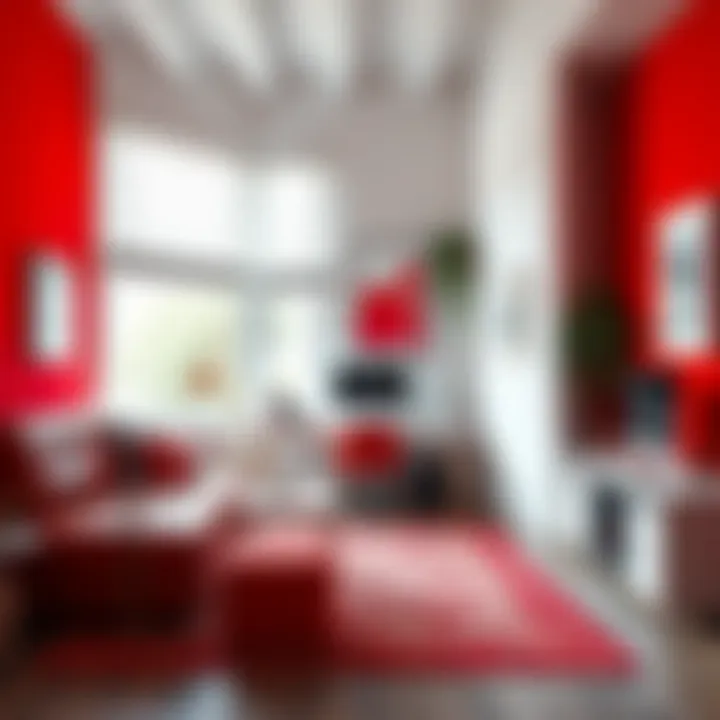
Understanding color schemes through real-world examples enhances the overall discussion in this article. Case studies illuminate how diverse approaches to color palette selection can impact both aesthetics and functionality in a home office. Scenes from various designs allow readers to visualize outcomes that were successful while also shedding light on frequent pitfalls to avoid. These case studies not only offer inspiration but also highlight practical applications of theoretical concepts discussed earlier.
Home Office Designs from Professionals
Examining designs created by professional interior designers can provide insight that goes beyond personal preferences. Designers leverage their expertise, considering both the emotional impact of colors and how they relate to the work conducted in the space. For instance, a California-based designer might use soft sandy tones with pops of teal in a coastal-themed office, promoting a relaxed yet focused work environment.
The balance of white walls and carefully chosen decor creates openness, making the space feel welcoming without overwhelming the senses.
On the other hand, consider a home office inspired by industrial styles, where a palette of deep grays offset by warm wood tones can cultivate a sense of sophistication and productivity. Professionals like Kelly Wearstler often pair robust hues with intriguing textures to result in a visually striking scene that conveys both comfort and seriousness.
Homes showcased in platforms like Houzz often feature before and after images, helping to visualize transformation. Colors become critical instruments in enhancing the overall aesthetic appeal and influencing one's mindset.
User-Submitted Color Schemes
Crowdsourced designs offer a unique perspective into real-life applications of color choices. Individuals humbly share their successes and failures. A user on reddit.com shares their journey with a bright green accent wall paired with neutral gray furnishings. They mentioned, "It was too jarring at first, but after adding softer elements like plants and cushions, it turned into an energizing space for my creative work."
This process provides insight into the necessity of trial and error, and how simple adjustments can sway a color scheme from overpowering to harmonious. It presents the idea that collaboration and community feedback can illuminate the path to implementing effective color palettes in personal spaces. This approach promotes authenticity, as each user's process unfolds uniquely without the constraints of professional bias.
Lessons from Failed Palettes
Not all palettes thrive, and learning from these missteps is invaluable. One vivid example comes from a user whose home office was painted bright orange, intended to evoke creativity. However, the overwhelming hue quickly proved counterproductive. The user remarked, "I found myself dreading work hours because the wall would just stare back in an aggressive manner."
Reviews of less successful designs often touch on crucial lessons about scale, lighting, and context. For instance, attempting to incorporate too many colors without a unifying theme can lead to chaos. This echoes the wisdom that less can often be more. Furthermore, color choices must reflect not just personal taste but also practical needs. Studying these less-than-ideal examples can inspire readers to approach their designs with caution and foresight, transforming personal tastes into spaces that align better with their goals.
"Colors can either inspire us or overwhelm us. The careful balance is key in achieving a productive environment."
Refreshing Your Space
When it comes to a home office, the color palette can be more than just a matter of aesthetic appeal; it's fundamentally about how a space feels and functions. Over time, the vibrancy of your initial choices may dull for a variety of reasons. As our lives evolve, so too can the nuances in our emotional and psychological connection to color. Hence, refreshing your home office space can revitalizes your energy, providing a much-needed boost in both morale and productivity.
Incorporating a new and striking color palette can lead to enhancements that radiate beyond simple visual changes. This can ultimately affect how you interact with your workspace. Moreover, refreshing these color choices offers several advantages:
- Enhancing Creativity: New hues can stimulate different thought processes or incite fresh ideas.
- Improving Focus: A shift in color can help to reduce monotony, keeping your mind engaged and alert.
- Reflecting Personal Growth: As your work evolves, so should your environment. A new palette showcases your journey and invites transformation.
It’s crucial to approach this process with consideration. Choosing a suitable moment—perhaps during a significant turning point in your work life—can imbue the refresh with added meaning.
When and How to Update Colors
Timing is golden. The best moments to consider updating colors are often tied to distinct life events, such as starting a new job, embarking on a new business venture, or following a major life change. Knowing when to update can be just as important as knowing how.
- Observe Fade: If the colors in your space have begun to wear down, or if you find the initial vibrancy lacking, it might be time for a change.
- Seasonal Shifts: Changing colors with the seasons can also be uplifting, keeping your workspace in harmony with the world outside. Choose colors that resonate with each season's mood—from the warm tones of autumn to the cool hues of winter, or even the vibrant pastels of spring.
When it comes to the actual updating, consider a few approaches:
- Paint: A fresh coat of paint can drastically alter the atmosphere.
- Accents: If you prefer not to repaint the entire room, new accent pieces in a different hue can provide a semblance of renewal.
- Textiles: Changing out curtains or cushions can also introduce new color energy without overwhelming your space.
Seasonal Color Adjustments
Adjusting your colors based on seasons not only aligns your home office with nature's rhythms but can also significantly influence your mood and energy levels. Just as a winter's chill might call for warm, cozy tones, warmer months often invite lighter, more vibrant shades.
- Winter: Embrace rich colors like deep blues or forest greens to create a tranquil atmosphere that helps combat the winter blues.
- Spring: Refreshing pastels or bright shades can encourage growth and creativity—ideal for brainstorming sessions.
- Summer: Evoke energy with bright, bold colors like sunny yellows or tangerine oranges.
- Autumn: Incorporate earthy tones such as rust or mustard to create a comforting environment.
To get the most out of these seasonal shifts, consider incorporating natural elements into your workspace. Plants, for instance, can breathe life into your environment. They also serve as lovely contrasts to whatever seasonal palettes you choose.
"A room’s color is its soul, and changing it can be like welcoming a new friend into your life."
Refresh your space thoughtfully, and recognize that color can be a powerful catalyst in shaping experiences you have at work. It’s about creating a sanctuary that resonates with your personal growth and aspirations.
Sustainability in Color Choices
In today’s world, where environmental considerations take center stage, the selection of sustainable materials and products for your home office is not just a trend, but a necessity. Understanding sustainability in color choices translates to making informed decisions that ultimately benefit both your workspace and the planet. It’s becoming ever clearer that the colors chosen for your office can have long-lasting effects—as much on your surroundings as on the environment. By aligning aesthetics with eco-conscious choices, one not only nurtures a visually pleasing environment but also cultivates a workspace that reflects personal values.
Moreover, opting for sustainable colors can highlight your commitment to eco-friendliness, a point that resonates well with clients and collaborators, especially in high-end settings. Choosing paints and furnishings made from natural, low-impact materials showcases a polished sophistication while preserving the planet.
Eco-Friendly Paint Options
When considering paints for your home office, you may think about how they affect the overall aesthetic. But it’s crucial to remember that not all paints are created equal. Eco-friendly paint options, sometimes labeled as low-VOC (volatile organic compounds) or zero-VOC, minimize harmful emissions that can disrupt indoor air quality. A few notable brands to consider include Benjamin Moore’s Natura series and Behr's Premium Plus line, both of which prioritize environmentally conscious formulations without sacrificing color vibrancy or coverage.
Using these types of products isn’t just about aesthetics; it helps reduce your carbon footprint. The ingredients in traditional paints can emit toxins over time, leading to a decline in indoor air quality. Here are some benefits to using eco-friendly paints:
- Reduced Health Risks: Less exposure to harmful substances typically found in typical paints.
- Enhanced Indoor Air Quality: Improved quality over longer periods as the paint cures.
- Durability and Longevity: Often, environmentally friendly paints offer great durability, maintaining their beauty longer.
By selecting the right paint, you not only contribute to a healthier work environment but also make a subtle yet powerful statement about your commitment to sustainability.
Sustainable Furniture Selections
Selecting furnishings for your home office that align with sustainability isn’t about compromising on style. It’s about finding the intersection between beauty and eco-friendliness. Furniture pieces made from reclaimed wood or certified sustainable resources provide an exquisite nuance to your workspace while ensuring natural resources are protected. Brands like West Elm and IKEA have made significant strides in prioritizing sustainable materials in their collections, appealing to both luxury and high-end consumers.
When you’re on the hunt for sustainable furniture, consider these aspects:
- Material Sources: Look for furniture made from sustainably harvested woods or recycled materials.
- Production Techniques: Evaluate if the furniture was crafted using methods that minimize waste and energy consumption.
- Timeless Design: Opt for classic designs that can withstand time and trends, thus eliminating the need for frequent replacements.
Investment in sustainable furniture not only augments your home office's aesthetic appeal but also reinforces your commitment to a healthier planet—subtly hinting to clients that your dedication goes beyond aesthetics.
"The choices we make in our workplaces reflect our values and ideas. Elegantly crafted, eco-friendly designs speak volumes without uttering a single word."