Mastering Home Porch Design: Create Your Ideal Space


Intro
Designing a home porch is more than simply adding some chairs and a welcome mat. It’s about creating a harmonious extension of the home that invites relaxation and fosters connection with nature. With the right approach, a porch can transform from an underappreciated space to a vibrant focal point, embodying style and functionality in equal measure. Consider how a well-designed porch mirrors the architectural elements of the home, all while incorporating personal taste and practicality.
This guide serves as an extensive resource for those who aspire to elevate their outdoor living spaces. It delves into various themes—from decor ideas to considerations for outdoor entertaining. In essence, each section scrutizes pivotal features that contribute to the overall allure of porches, ensuring they are not just seen but savored.
Outdoor Decor Ideas
When it comes to crafting an outdoor oasis, the decor can make or break the ambiance. The right decorations pull together the whole look, bridging the indoors with the outdoors seamlessly.
Seasonal Inspirations
Each season brings its unique palette, and embracing these can breathe life into your porch. In spring, opt for pastel hues—imagine light lavender cushions paired with white wicker chairs. Summer is ideal for vibrant colors and patterns—bold reds and blues catch the vibe of a lively barbecue. For autumn, warm tones like terracotta and mustard can create a cozy nook where one can sip cider while bundled up. Winter might call for minimalism with a touch of festive lights or evergreens to keep things sprightly even in the cold.
Furniture Selection
Choosing the right furniture isn't solely about aesthetics; it's about comfort and resilience against the elements. Teak and eucalyptus are excellent choices for outdoor furniture, boasting durability alongside a natural beauty. Vintage pieces can also be a treasure trove of charm, though a coat of outdoor varnish can extend their life significantly. Remember to measure your space properly before purchasing; a cramped porch loses its welcoming vibe in no time.
Decorative Lighting
The right lighting can turn a porch from day to night seamlessly. Using string lights can create a dreamy ambiance, while lanterns can add a rustic touch. Fixtures that are dimmable offer versatility, allowing for romantic evenings or lively gatherings with equal finesse. Position lights to highlight architectural features without overwhelming the space.
Plant Arrangements
Plants bring an organic touch that invigorates any porch. Consider the height and foliage of plants; taller ones like ornamental grasses can form a backdrop, while shorter flowers can create borders. Herbal pots not only enhance aesthetics but also serve culinary needs. When designing your arrangements, think vertically and horizontally to maximize space.
Hardscaping Solutions
Incorporating hardscaping elements like stone pathways or decorative pavers can elevate your porch’s layout, creating defined spaces. Materials such as flagstone or decorative concrete can add texture underfoot and guide guests through your outdoor space. Use different sizes and colors to add depth and interest, rather than sticking to flat, uniform surfaces.
Sustainable Practices
Sustainability should be at the forefront of any modern design endeavor. Using reclaimed wood or sustainable materials not only presents a chic choice but also reduces waste. Solar-powered lights and rain barrels for irrigation exemplify a commitment to eco-friendly practices. Integrating native plants can also foster local biodiversity, an essential pillar of effective landscape design.
"An inviting porch can act as a bridge between nature and home, offering a glimpse of serenity before one steps inside."
Embracing thoughtful decor not only enhances the visual appeal but also contributes to an overall feeling of warmth and welcome. Through an intricate balance of creativity and practicality, a porch can truly shine as an extension of one’s home.
Understanding Home Porch Design
The concept of porch design is far from merely cosmetic; it's about creating an extension of the home that adds value, character, and warmth to outdoor living. In this section, we will dissect the various elements that make porches not just functional spaces, but also a significant part of a home's aesthetic architecture.
Understanding home porch design is crucial for anyone looking to cultivate inviting outdoor environments. The influences of architectural styles, climate considerations, and personal preferences can transform a simple entryway into a stunning focal point or a serene retreat. Porches can serve multiple purposes: they are spaces for relaxation, socialization, and a bridge between indoor comfort and the natural world outside. A well-designed porch can increase property value, enhance curb appeal, and serve as an oasis for homeowners.
Definition and Importance of a Porch
A porch is essentially a covered area that sits at the entry point of a home, offering shelter and often acting as a transitional space from the outdoors to the indoors.
- Functionality: It serves practical purposes—protection from the elements, a space for shoes and coats, or simply a place to enjoy Nature's beauty without fully committing to the outdoors.
- Aesthetic Appeal: An elegantly designed porch can make a powerful first impression on visitors. It can express the personality of the homeowner, whether through vibrant colors, intricate railings, or inviting furniture.
- Lifestyle Enhancement: It creates a space for leisure activities, such as reading a book in the afternoon sun or hosting evening gatherings with friends.
Thus, understanding the role of a porch goes beyond the mere definition. It impacts the overall living experience, shaping how people interact with their environment.
Historical Context of Porches
Porches have an enriching history that mirrors societal shifts and architectural trends.
- In Ancient Greece, the porch was known as the "stoa," a covered walkway often adorned with columns and sculptures.
- Jumping to the 15th century, the Renaissance in Europe saw a boom in grand entrances, with porches becoming symbols of wealth and status.
- By the Victorian era, porches were intricately designed with elaborate woodwork and decorative elements, serving as social hubs for families.
- As we transition into the modern age, contemporary interpretations of porches have expanded to include minimalist designs with sleek lines and integration with the landscape, reflecting current trends in sustainability and open living spaces.
To contextualize the significance of porches throughout history is to recognize how they have evolved with societal norms and climate considerations. They have been a constant in architectural dialogue, adapting to meet the needs of the time while enriching the human experience.
"Porches, in their various forms, have always provided a sense of continuity, bridging the gap between the interior and exterior realms of our lives."
This frame of reference not only augments the practical aspects of porches but also adds a layer of cultural richness, highlighting their sustained importance in home design through ages.
Exploring Different Porch Styles
Exploring different porch styles is fundamental in the pursuit of creating a charming and functional outdoor area. Each style brings its own personality, enhancing not just the appearance of your home but also its overall ambiance. When one considers a porch, it’s more than just an entryway; it’s often seen as a transitional space that connects the inside of the home to the outside world. Understanding the variety of porch styles allows homeowners to develop a design that resonates with their aesthetic taste and complements their home’s architecture, making it a seamless extension of their living environment.
Traditional Porch Styles
Victorian Porches
Victorian porches capture a sense of nostalgia and timelessness. Characterized by elaborate trimmings, ornate posts, and intricate railings, these porches possess an undeniable charm that makes them popular choices in historical neighborhoods. The essential aspect of Victorian porches lies in their detailed woodwork, often featuring decorative bracketry and spindle details.
The key characteristic of Victorian porches is their ornamental complexity, which adds significant character to a home’s exterior. Their appeal often comes from how they invite people to sit, relax, and observe. This style is particularly beneficial for those who appreciate craftsmanship and artistry, as each design element can tell a story about the era it was born from.
Unique features of Victorian porches include their use of color—not just paint on the walls but also in the intricately designed stained glass transom windows that can accompany the entry. While maintenance might pose a challenge, especially concerning woodwork, the aesthetic dividends are abundant. They often create an inviting atmosphere that can enhance property value.
Colonial Porches
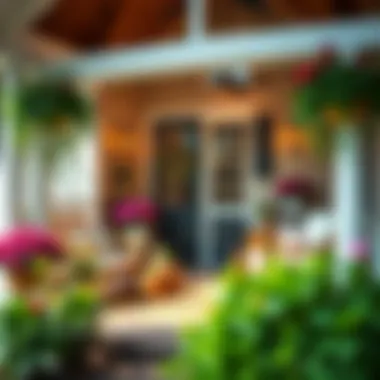
Colonial porches stand as a testament to simple yet elegant design principles. These spaces often emphasize symmetry and proportion, adding to their appeal. Characterized by straight lines, straightforward materials, and often supported by sturdy columns, Colonial porches embody a sense of dignity and practicality.
The defining characteristic of Colonial porches is their emphasis on balanced proportions, which creates a welcoming visual aspect. This style is particularly popular in suburban areas where traditional architecture is favored. Its straightforward yet timeless design makes it a favorite for those looking to uphold the heritage style of their homes.
A unique attribute of Colonial porches is the incorporation of wide steps and spacious landings, allowing for easy movement in and out of the home. This can serve as a practical feature for families or individuals enjoying entertaining guests. However, one potential drawback is that they can sometimes lack the intricate detailing found in more ornate styles, which may deter those desiring a greater visual extravaganza.
Modern Porch Designs
Sleek Minimalist Approaches
The sleek minimalist approach to porch design emphasizes simplicity and functionality. This design philosophy strips away unnecessary decorative elements, creating a clean and streamlined look. The beauty of this style lies in its ability to stand out through its understated elegance, allowing the surrounding environment to play a starring role.
A major characteristic of minimalist designs is their focus on open spaces. This choice is beneficial for homeowners who seek a tranquil retreat without clutter. The flexibility in design allows for using light materials such as glass and metal, fostering an airy feel.
Unique features of sleek minimalist porches are often the use of large glass panels, which not only enhance natural light but also create an illusion of space. However, one must be mindful of privacy concerns, as the openness can sometimes leave one feeling exposed to the outside world.
Contemporary Integrated Spaces
Contemporary integrated spaces represent the melding of indoor and outdoor living. These designs focus on creating harmonious connections between the porch and the surrounding elements of nature or the home itself. With an emphasis on fluidity, homeowners can craft a space that feels like an extension of their living area, making it ideal for entertaining or relaxing.
The hallmark of contemporary integrated spaces is their seamless flow between different areas. This style appeals to those wanting to maximize their outdoor living experience while maintaining connection to the interior spaces. Utilizing retractable glass walls or large sliding doors allows for versatile use.
Unique features often include modern materials like concrete and metal finishes, providing a clean and contemporary aesthetic. However, integrating technology and maintaining aesthetics may demand higher initial investments, which could be a consideration for cost-conscious homeowners.
Rustic and Farmhouse Influences
Rustic and farmhouse influences infuse porches with warmth and a cozy atmosphere. This style celebrates natural materials and raw textures, offering a homey feel that beckons family and friends to unwind. The use of reclaimed wood, exposed beams, and oversized furniture plays into the overall make-up, promoting communal gathering.
Incorporating such influences allows for personalized, bespoke designs that reflect the homeowner's lifestyle. These porches typically integrate comfortable seating and often feature outdoor fireplaces or fire pits, making them perfect year-round venues.
The charm of rustic styles lies in their ability to evoke nostalgia while providing a functional space that is welcoming and warm.
Within rustic designs, features such as wide plank flooring or handmade furniture take center stage and offer distinct character. Balancing comfort with functionality, these porches create an extension of the family home that invites interaction. However, sourcing materials for true authenticity can often warrant undeniable effort and cost.
Key Elements of Porch Design
In creating a well-designed porch, understanding key elements is crucial. These elements not only elevate the aesthetic quality of the space but also ensure it serves its purpose effectively and safely. A porch is often the first point of contact for visitors, thus it must blend comfort, style, and function seamlessly.
Crafting a porch where people want to come and linger requires careful consideration of structure, style, and ambiance. Each of these components plays a distinct role in the overall impact of the design, shaping the environment and enhancing the user experience.
Structural Considerations
Materials Selection
Selecting the right materials is central to establishing a solid foundation for any porch. Wood remains a popular choice, primarily due to its warm aesthetic and adaptability. However, materials like composite decking are gaining ground for their durability and low maintenance.
- Key Characteristic: Wood offers a natural look that can enhance traditional styles but requires regular upkeep. Composite materials, on the other hand, are engineered for longevity and resist weathering, saving time and effort for homeowners.
- Unique Feature: Composite's resistance to splintering makes it a safer choice for families with children. However, it can sometimes lack the charm of natural wood, which may not appeal to everyone. Consideration of your lifestyle, climate, and personal taste is paramount when choosing materials.
Load-Bearing Framework
The framework of a porch determines its structural integrity and how the space will hold up over time. A well-designed load-bearing framework distributes weight appropriately and allows for design flexibility.
- Key Characteristic: Traditional wooden frameworks are favored for their ease of installation and compatibility with various architectural styles. Metal frames offer a modern flair and added strength, which is of great advantage in areas with extreme weather conditions.
- Unique Feature: Metal frameworks can be fashioned into slender profiles, allowing for unique designs without sacrificing support. However, the introduction of metals may raise the cost of construction. Balancing aesthetics with budget constraints is a constant challenge in porch design.
Stylistic Features
Railings and Balustrades
Railings and balustrades not only provide safety but also serve as a stylistic feature that can define a porch's character. From classic wooden railings to sleek glass options, the choices can vary widely.
- Key Characteristic: Wood railings embody a rustic charm that can complement traditional homes, while glass railings offer unobstructed views, ideal for modern designs.
- Unique Feature: Some railings can be custom-designed, allowing homeowners to express their individual style. However, maintenance of wood railings can be cumbersome over time, leading some to opt for less traditional materials.
Ceiling Finish Choices
A porch ceiling is often overlooked, yet it can significantly influence the overall feel of the space. Choosing the right finish can invite warmth or a fresh, airy vibe, depending on your intentions.
- Key Characteristic: Tongue-and-groove wood can add texture and depth, promoting a cozy ambiance. Alternatively, painted ceilings can offer a pop of color while reflecting light—especially important in darker or shaded areas.
- Unique Feature: The ceiling can also integrate lighting options and fans, enhancing functionality. The downside is that intricate designs may require more upkeep to maintain their appeal.
Lighting and Ambiance
Electric vs. Solar Options
Lighting is vital in creating an inviting porch, setting the right mood for social gatherings or calm evenings. While electric lights provide reliability and power, solar options are more environmentally friendly.
- Key Characteristic: Solar lights are easy to install and can be placed in hard-to-reach areas, often requiring no wiring. Electric lights, however, offer greater brightness and variety in design.
- Unique Feature: With solar technology advancing, some options now provide sufficient brightness for security and ambiance, without inflating electricity bills. Careful consideration of available sunlight can affect performance, something homeowners should not overlook.
Designing with Purpose
Every design element in a porch should have a purpose. The layout, furnishings, and décor enhance the space not only visually but functionally.
- Key Characteristic: Incorporating defined zones for dining, relaxing, or entertaining can greatly improve usability. Purpose-driven design affords a more satisfying experience, allowing for different activities within the same space.
- Unique Feature: Portability in furniture design lets users rearrange the area as needed. However, this can lead to clutter if not managed effectively, emphasizing the need for thoughtful selections that suit intended uses.

Ultimately, the key to effective porch design lies in harmonizing these elements to create a cohesive and welcoming atmosphere. Understanding the characteristics and advantages of different aspects allows homeowners to tailor their space to fit their specific needs, enhancing both its function and aesthetic appeal.
Color and Material Theory
When it comes to porches, color and material theory holds a pivotal role in setting the tone and atmosphere of the space. A well-thought-out color palette can enhance the overall aesthetic, harmonizing the porch with the home’s exterior and the surrounding landscape. Materials play their part too, not just in terms of appearance but also in durability and maintenance. Let’s dive into the finer points of palette selection and texture contrast to comprehend how these aspects can elevate the porch experience.
Palette Selection
Harmonizing Colors
Harmonizing colors are about creating a visual symphony on your porch. These are shades that complement each other, ensuring that your design feels cohesive rather than chaotic. One key characteristic of harmonizing colors is balance; think of how a soft blue can bring out the deep greens of the plants nearby or how warm neutrals can invite a sense of calm. A classic choice for porches tends to lean toward soft, earthy tones which blend effortlessly with nature.
Unique to harmonizing colors is their ability to influence mood. For instance, a palette dominated by soft greens and blues can evoke a serene atmosphere, while warmer tones can energize the space. The challenge often lies in selecting colors that not only create harmony but also withstand changing weather conditions.
"Color is the keyboard, the eyes are the harmonies, the soul is the piano with many strings."
- Wassily Kandinsky
Seasonal Adjustments
Seasonal adjustments refer to the practice of changing the color palette according to the comforts of different times of the year. A slight switch in hues can refresh the entire porch environment without the need for major renovations. This characteristic of seasonal adjustments allows for flexibility; for example, vibrant flowers and bright cushions work wonders in summer, while rich, warm colors dominate in the fall.
An amazing aspect of seasonal adjustments is that they encourage seasonal themes. Adding décor like pumpkins or vibrant autumn leaves can transform the porch to celebrate nature’s changes. However, this can sometimes lead to a confusing mix if not carefully planned, creating visual clutter rather than seasonal charm.
Texture Contrast
Wood vs. Metal
The contrast between wood and metal is a classic debate in porch design. Each material brings its own personality to the table. Wood often delivers warmth and a natural vibe, making it a great integral piece of outdoor aesthetics. The inviting look of stained wood can create a rustic charm, enticing one to unwind with a book in hand. However, maintaining wooden elements can require considerable effort, especially in humid conditions.
On the other hand, metal introduces a modern touch. It stands out with sleek lines and often offers greater durability, resisting wear and tear better than wood. This resilience makes it a popular choice for those wanting to mix longevity with style. Yet, the sleek nature of metal can sometimes feel too cold or industrial, especially without the right complementary elements.
Fabric Choices for Comfort
Fabric choices for comfort can significantly enhance the inviting nature of a porch. Whether it’s plush cushions or lightweight throws, the right textures can make a porch feel like an extended part of the home. One standout characteristic of fabric choice is its ability to introduce color and pattern without overwhelming the space. A bold, patterned cushion can become a centerpiece while remaining functional.
The advantage of using quality outdoor fabrics cannot be overlooked. They offer weather resistance and longevity, meaning they can stand up to the elements without losing their charm. However, opting for cheaper materials can turn into a faux pas, as they tend to fade quickly and may not hold up to wet conditions.
Functional Aspects of Porch Design
Incorporating functional elements into porch design is not just about aesthetics; it's about creating a space that serves a purpose and enhances everyday life. A well-thought-out porch can extend your living area outdoors, making it a spot for relaxation, socializing, and even working. The challenge is to balance visual appeal alongside practical considerations, such as how people will move through the space and what functionalities are necessary for comfort and convenience.
Creating Usable Spaces
Outdoor Furnishings
Outdoor furnishings play a crucial role in transforming a porch into a usable space. They provide not just seating but comfort and style, accommodating everything from casual gatherings to serene moments of solitude. The key characteristic of outdoor furnishings is their durability—they must withstand various weather conditions while maintaining aesthetics. Materials like wicker, teak, and steel are popular for their resilience and design versatility.
It’s essential to choose furnishings that align with the porch's overall theme—whether it’s a cozy traditional setup or a sleek modern vibe. A unique feature of contemporary outdoor sofas is their modularity, allowing homeowners to adapt layouts to suit specific occasions or moods. One advantage of modern furnishings is their lightweight build, making rearrangement easy. However, they often require maintenance to prevent wear and tear, especially in harsh environments.
"Outdoor spaces are not merely extensions of homes; they are their own realms of possibility."
Traffic Flow Considerations
Traffic flow is a pivotal component in porch design, as it dictates how individuals navigate the space. Clear pathways are imperative to avoid congestion, ensuring that guests can move comfortably without tripping over furniture or bumping into each other. A noteworthy characteristic of effective traffic flow is the layout, which should intuitively guide movement from the front door to seating areas.
Incorporating wide steps and open areas can enhance flow, making the porch feel more spacious and inviting. However, an overemphasis on open space may lead to underused portions of the porch. Striking a balance between crowded and empty is key; a living porch, lively yet serene, often requires careful analysis of how each segment of the space is utilized.
Incorporating Technology
In today's world, technology plays an integral role in making home spaces both functional and efficient. As such, incorporating technology into porch design can elevate its use to beyond a mere outdoor space.
Smart Home Integrations
Smart home integrations can redefine how a porch functions, allowing for automated lighting, sound systems, and even security features that enhance convenience and relaxation. One significant advantage of smart technology is its ability to create personalized experiences; imagine lighting options that can be altered according to moods or activities. This adaptability is especially appealing for homeowners who host gatherings, as it offers a unique atmosphere at the touch of a button.
While benefits abound, it’s vital to consider the potential downsides as well, particularly when it comes to complex set-ups that can confuse users and add to maintenance. Keeping technology user-friendly and ensuring all household members can operate it is key to its successful incorporation into a porch design.
Climate Control Solutions
Weather often dictates how and when people use a porch, making climate control solutions pivotal to enjoying the space year-round. From installing ceiling fans that circulate air during warm summer days to outdoor heaters that allow for cozy gatherings in colder months, these systems can significantly enhance usability.
The unique feature of modern heating and cooling solutions is their energy efficiency, helping maintain comfort without breaking the bank on electricity bills. That said, the electrical systems can require substantial initial investment, and some homeowners may shy away from expensive installations. Ultimately, when applied correctly, climate control can ensure a porch remains a welcoming haven, regardless of the season.
Landscaping for the Ideal Porch
Landscaping plays a crucial role in enhancing the overall aesthetic and functionality of a porch. It is not merely about beautifying the space but also about creating a seamless connection between the indoor and outdoor environments. This section will explore specific elements of landscaping that contribute to an ideal porch. By carefully selecting plants, arranging outdoor features, and considering how nature interacts with the constructed space, one can create a welcoming atmosphere, tailored to the preferences and lifestyles of the homeowners.
Plant Selection
Perennials for a Timeless Look

Perennials are plants that come back year after year, making them a long-lasting choice for porch landscaping. Their enduring nature provides a sense of stability and continuity, which many homeowners seek. One of the key characteristics of perennials is their ability to adapt to the local climate, ensuring they thrive in the environment. For instance, in temperate zones, plants like hostas or daylilies can offer vibrant colors and textures without demanding too much maintenance.
Their unique advantage is that they can be selected for specific bloom periods, which can keep the porch looking vibrant throughout the seasons. For example, a combination of early bloomers and late bloomers can create a dynamic look. However, one downside is that some perennials may require periodic dividing or rejuvenation, which might add a small investment of time and effort.
Seasonal Blooms for Varied Interest
Incorporating seasonal blooms into the porch design adds a layer of interest and aesthetic variety. These plants are known for their capacity to showcase vibrant colors in specific seasons, such as tulips in spring or chrysanthemums in fall. A key characteristic that sets seasonal blooms apart is their ability to create more frequent visual changes in the landscape.
The unique feature of these plants is the possibility for a different look with each changing season, providing homeowners with ongoing motivation to engage with their outdoor space. This can foster a greater understanding of responsible gardening and seasonal adjustments as they observe how colors and habitats shift. However, the challenge is that they often require more attention and care than perennials, appealing more to those willing to invest time in their landscape.
Arranging Outdoor Elements
Using Hardscaping Wisely
Hardscaping involves the incorporation of non-plant materials—like stones, bricks, and concrete—into the landscape. When used wisely, hardscaping can elevate the porch area by providing durable surfaces for outdoor furniture or pathways. A key aspect is that hardscaping can help define the space and create functional areas, such as a designated seating area that ties into the home’s architectural style.
The unique advantage of hardscaping is its low-maintenance nature compared to plant materials. Once installed, it generally requires minimal upkeep aside from occasional cleaning. However, a disadvantage is that overuse of hardscaping can lead to a harsh, uninviting atmosphere. It’s essential to strike a balance and complement hardscape elements with appropriate planting to soften the hard edges.
Creating Natural Barriers
Natural barriers refer to the strategic use of plants or landscape features that provide privacy or separation from neighboring properties or the street. This practice can greatly enhance the enjoyment of a porch by creating a personal oasis. A key characteristic of natural barriers is their ability to soften the view and reduce noise, creating a sense of tranquility.
The potential to incorporate tall shrubs or ornamental grasses can effectively create a lush green wall, enhancing visual interest while still allowing air and light to permeate. However, one must be cautious not to obstruct views too much, as this might lead to a feeling of enclosure rather than openness. It’s about creating a sense of separation while keeping the spirit of community in mind.
"Well-planned landscaping can make a porch not just an extension of the home, but a cherished retreat, brimming with life and personality."
By thoughtfully considering how to blend these landscaping elements, homeowners can design a porch that serves as a perfect synergy of beauty and function, creating a lasting impact for years to come.
Revamping Existing Porches
Revamping an existing porch can be both a revitalizing experience and a practical necessity. For many homeowners, the porch is not just an entrance but a personal retreat, a spot to relax, entertain, or enjoy nature’s patterns. This section aims to uncover essential elements that can breathe new life into tired porches, highlighting the benefits and considerations of such endeavors. With thoughtful improvements, one can capture an inviting atmosphere while ensuring functional stability.
Assessing Current Structures
Assessing the current structures is the first step in this process. It’s like taking stock of your pantry before you cook up a meal; you need to know what you have on hand before making any decisions.
Identifying Areas for Improvement
Identifying areas for improvement involves examining every nook and cranny of the porch. Structural problems such as signs of rot, peeling paint, or insufficient support beams might signal a need for restorative measures. Homeowners should focus on both aesthetics and functionality as they scrutinize their porches. One characteristic that sets this assessment apart is the ability to blend beauty with practical repair; fixing what’s broken while maximizing the space’s appeal.
What makes this approach popular is its dual benefit: you enhance safety while boosting curb appeal. Unique features like upgrading railing designs or replacing flooring can add charm that cleverly conceals necessary repairs. While it can be time-consuming, neglecting these assessments can lead to costlier problems down the road.
Evaluating Safety Standards
Safety standards cannot be an afterthought during renovations. Evaluating safety concerns such as structural integrity and adherence to local building codes is essential. One key characteristic of this process is ensuring that your porch not only looks inviting but is also safe for family and guests. This choice is fundamental; without safety, all other design elements could fall flat.
A unique aspect of evaluating safety standards involves consulting local regulations, which may dictate specific requirements based on your area. Although some may consider it a hassle, adhering to these standards ultimately saves you from potential headaches, be they financial or legal.
Cost-Effective Upgrades
When it comes to the aesthetics and functionality of a porch, cost-effective upgrades can work wonders. This concept allows homeowners to refresh their spaces without breaking the bank.
Refinishing Techniques
Refinishing techniques can breathe new life into existing materials, allowing for remarkable transformations without a complete overhaul. The process can include sanding down wood, applying new finishes, or even painting surfaces. A key characteristic of this method lies in its affordability and profound impact; a few hours of effort can result in a considerable visual upgrade.
One unique feature often overlooked is the use of eco-friendly materials during refinishing. This choice can help reduce environmental impact while providing a fresh appearance. However, it’s important to weigh the longevity of the chosen finishes against their cost—what looks great now may require touch-ups sooner than expected.
Design Elements to Refresh
Refreshing design elements means looking at both small details and larger concept shifts. Creative alternatives like swapping out old lighting fixtures for modern LED sconces or adding decorative pillows can significantly change a porch’s vibe. The key characteristic of this approach is its focus on personalization; every tweak can reflect the homeowner's taste and lifestyle.
This method can be particularly beneficial as it allows for flexibility; trends may change, and design choices can effortlessly adjust with a few simple elements. An advantage of refreshing design is that it often requires less investment than major renovations, making it a practical choice for those looking to elevate their porch styled without extensive commitment.
"Revamping an existing porch doesn’t just upgrade your home; it enhances your lifestyle by creating a welcoming space for relaxation and interaction."
In summary, revamping existing porches entails a careful assessment of current structures and thoughtful upgrades that marry functionality with aesthetics. By tackling structural critiques and refreshing design elements, homeowners can create a welcoming retreat that reflects their unique vision, all without losing sight of safety and budget.
Final Thoughts on Porch Design
Designing a porch is not merely about aesthetic appeal; it’s an exercise in balancing various elements to create a functionally rich outdoor space. A well-conceived porch resonates with the overall style of the home while also serving as a bridge between indoor and outdoor living. In this final section, we’ll consider the key takeaways regarding porch design, culminating in a deeper understanding of how such a space can enhance quality of life.
Summarizing Key Points
To distill the essence of porch design, let’s look back at the pivotal elements discussed in this guide:
- Understanding the porch’s role: Porches stand as transitional spaces that invite the outside in while providing shelter and comfort.
- Diverse architectural styles: From Victorian intricacies to modern minimalism, the choice of style influences not just visuals, but also functionality.
- Material choices matter: Using the right materials ensures durability, maintenance ease, and aligns with the overall theme of the home.
- Landscaping and ambiance: Thoughtfully chosen plants and lighting can elevate the overall experience of the porch, creating a warm, welcoming atmosphere.
- Integration of technology: Implementing modern technology can enhance comfort and utility, making the porch a truly multifunctional space.
When these elements come together, they form a cohesive design that speaks to the homeowner’s lifestyle and preferences, while also adding intrinsic value to the property.
Seeking Professional Guidance
As with any design endeavor, consulting with professionals can significantly streamline the process of porch design. While DIY options may seem appealing, expertise can often save time and prevent costly mistakes.
- Professionals bring experience: An architect or designer can provide insights based on the latest trends and building codes.
- Tailored recommendations: Experts can assess your specific needs—be it safety concerns, aesthetics, or integrating technology—and offer solutions that fit seamlessly into your vision.
- Access to resources: Professionals often have connections with suppliers, enabling access to high-quality materials that might not be available to the general public.
- Finalizing designs through collaboration: Engaging with a professional allows for feedback loops that can refine and polish initial ideas, making sure you achieve the best possible outcome.
In summary, whether you choose to embark on the porch design journey independently or turn to professionals, keep in mind that thoughtful planning and execution can turn an ordinary space into an extraordinary extension of your home. For further insights into design best practices, consider resources such as Wikipedia or Britannica, which delve deeper into the significance of porches across cultures and history.