Elegant Master Bathroom Ideas with Freestanding Tubs
Intro
Creating an exquisite master bathroom goes beyond just selecting the right fixtures; it's about turning a space into a sanctuary, where design meets comfort. A freestanding tub serves as the stunning centerpiece, marrying aesthetics with relaxation. This comprehensive guide will explore various ideas to enhance your master bathroom, focusing on design concepts that echo luxury while remaining practical. Whether you lean towards a minimalist vibe or a lavish, opulent setting, there is an array of styles and elements to consider.
From the materials that grace your space to the layout that invites serenity, every facet plays a crucial role in shaping the ambiance. This narrative dives into what influences modern sensibilities, offering insights that cater to discerning homeowners and design aficionados alike.
Let’s begin our journey in transforming your master bathroom into a haven of sophistication and tranquility.
Preface to Master Bathrooms
In contemporary home design, the master bathroom has emerged as a critical oasis, representing more than just a functional space; it serves as a personal retreat. A thoughtfully designed master bathroom contributes significantly to both the comfort and value of a home. This article will explore innovative ideas centered on the concept of a freestanding tub, an element that has garnered increasing attention due to its blend of aesthetics and utility.
Defining the Master Bathroom
The term "master bathroom" typically refers to the largest bathroom in a home, usually attached to the master bedroom. This designation implies not only size but also a sense of luxury and exclusivity. The space is often a sanctuary where one can unwind after a long day, making its design paramount. Key elements that define a master bathroom include spacious layouts, premium fixtures, and elegant finishes. Homeowners often prioritize comfort and a touch of sophistication, seeking environments that make everyday routines feel indulgent rather than mundane.
Considering that the master bathroom is a space shared predominantly by the heads of the household, it’s essential to tailor the design towards personal preferences and lifestyle. A design with ample storage, quality materials, and calming color palettes can transform the perception of this space from merely functional to a vital part of the home’s experience.
The Role of the Freestanding Tub
The freestanding tub is not just a trend but a statement piece that redefines the overall feel of a master bathroom. Unlike built-in tubs that are often relegated to the corners, freestanding tubs command attention, effectively becoming the room's focal point. Their versatility allows them to adapt to various design styles—from modern minimalist to classical elegance—enabling homeowners to express their personal taste.
In terms of functionality, freestanding tubs offer a luxurious bathing experience. They typically provide more space for movement, contrasting with the constraints of traditional tubs. This element invites an immersive experience, whether one seeks a quick soak or a prolonged moment of relaxation. The aesthetics are only part of their appeal; ergonomic designs can enhance comfort, ensuring that moments spent in the tub are genuinely restorative.
Moreover, considering practical aspects, freestanding tubs can also be placed strategically to take advantage of natural light or even a view, making the bathing experience all the more enriching.
"A freestanding tub is not merely a fixture; it’s an invitation to self-care, a call to slow down and indulge in tranquility."
Thus, presenting the freestanding tub in the master bathroom not only enhances the visual allure of the space but also elevates the overall quality of life for its users. With such compelling benefits, crafting a master bathroom that accentuates this luxurious fixture is a worthwhile investment.
Design Considerations for Freestanding Tubs
When it comes to designing a master bathroom, choosing the right features can uplift the entire atmosphere of the space. One key element that often sets the tone is the freestanding tub. This section will explore the importance of design considerations for freestanding tubs, emphasizing their role in creating a luxurious yet functional bathroom environment.
Choosing the Right Location
Choosing where to place the freestanding tub is crucial. The tub's position can enhance not only the aesthetic appeal but also the overall practical use of the bathroom. The two primary options include positioning the tub against a window or placing it in the center of the room.
Against a Window
Positioning a freestanding tub against a window has its charm. This specific arrangement allows natural light to flood the space, creating an inviting atmosphere. Natural light can drastically improve the bathing experience, making it feel more like a personal retreat. One of the key characteristics of this setup is the connection to the outdoor environment. It not only provides an opportunity for an open view but also enhances feelings of tranquility.
However, there are nuances to consider. The unique feature of having a tub against a window is that the window might also come with privacy concerns. Depending on the layout, this design may require careful selection of window treatments or even frosted glass to ensure seclusion during bathing. Still, the aesthetic advantage can outweigh these potential drawbacks, making it a popular choice in high-end designs.
In the Center of the Room
On the other hand, placing a freestanding tub in the center of the room transforms the tub into a focal point. This can be particularly beneficial in larger bathrooms where the tub is meant to be not just functional, but also a significant design element. Center placement invites creativity in layout, allowing freedom in decorating the surrounding area.
A unique aspect of this arrangement is the way it encourages flow throughout the bathroom. Visitors can easily navigate around the tub without obstruction, facilitating a more spacious feel. The disadvantage, however, could arise from the need for a larger floorplan, which may not serve in smaller spaces or more compact designs. Still, for those with the room to spare, this layout brings an undeniable sense of luxury.
Bathroom Layout Strategies
The overall layout of a bathroom significantly affects how the freestanding tub interacts with the rest of the space. Two compelling strategies to consider are open concept designs and zoned spaces.
Open Concept Designs
An open concept design emphasizes spaciousness and flow. This approach can create a sense of unity between various elements in the bathroom—such as the tub, shower, and vanity areas. With minimal barriers, this design choice nurtures a seamless transition between spaces.
One notable feature of open concept designs is the inclusion of natural elements like plants or high ceilings that allow for an airy feeling. However, it is not without its challenges, as it could lead to noise traveling more freely throughout the house while bathing. Nevertheless, many find the benefits of connectivity and openness to outweigh these concerns.
Zoned Spaces
On the flip side, zoned spaces provide a more defined structure within the bathroom. This design incorporates distinct areas for bathing, grooming, and relaxation, often strategically placing a freestanding tub in a dedicated zone. A key characteristic of zoned spaces is their emphasis on privacy, which can enhance focus during self-care rituals.
Each zone can be tailored to specific styles or functions, creating a balanced and harmonious environment. While it may require more planning and execution, the payoff is a calm, organized space. However, it may also feel cramped in smaller bathrooms, which is a consideration when selecting this layout strategy.
Overall, each of these design considerations plays a vital role in how homeowners choose to incorporate a freestanding tub. From placement to layout strategy, thoughtful planning can lead to a master bathroom that marries luxury with practicality.
Material Selection
Selecting the right materials for your master bathroom is essential in establishing an atmosphere that blends luxury with functionality, particularly when incorporating a freestanding tub. Materials not only determine the aesthetic appeal but also influence the overall durability, maintenance, and comfort of the space. In essence, the choices you make can create a sanctuary that feels as good as it looks.
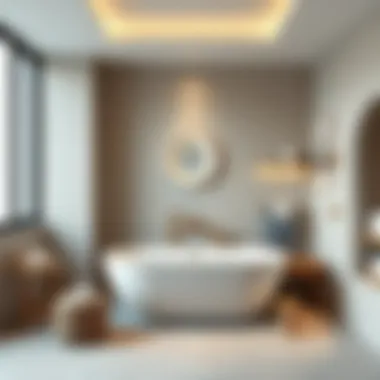
Each material carries its own unique properties, significance, and style. Understanding these will guide homeowners in making informed decisions that align with their vision and lifestyle needs. Now, let’s delve into the various types of freestanding tubs along with the benefits associated with each.
Types of Freestanding Tubs
Acrylic
Acrylic tubs have become a staple in modern bathroom design, known for their lightweight and versatile nature. One notable characteristic is thermal retention; these tubs keep water warm longer than some of their counterparts, providing a cozy soak during chilly evenings. This feature can significantly enhance the experience of relaxation in your master bathroom.
Moreover, acrylic is easy to mold into various shapes and sizes. This adaptability makes it a favorite among designers, allowing for creativity in the layout. However, one must be aware that while acrylic is generally durable, it is prone to scratches and can fade over time if exposed to sunlight too frequently.
Cast Iron
Cast iron tubs, on the other hand, scream durability and old-world charm. Their superior heat retention makes them ideal for long, luxurious baths. When you sink into a cast iron tub, you immediately understand why they’ve been a favorite for decades—there’s a certain weightiness that adds an elegant presence to any bathroom.
However, with their robust structure, these tubs are often on the heavier side, necessitating a solid foundation. Installation may require professional assistance, adding extra costs. Despite these considerations, many applaud their longevity and timeless aesthetic, proving that they can be a worthy investment.
Stone
When it comes to refined luxury, stone freestanding tubs take the cake. Each stone tub carries a unique pattern, making each piece a work of art. Noteworthy for their natural beauty, stone tubs enable a seamless incorporation of nature into your home, fostering a sense of tranquility. Furthermore, they provide excellent thermal properties, making your bath more enjoyable.
However, the initial cost can be steep, and maintenance can involve special care to avoid damage. Stone tubs can also be quite heavy, so like with cast iron, make sure your flooring can handle that weight.
Sustainability and Durability
As consumers increasingly prioritize sustainability in their purchases, it's critical to consider how the materials behind your bathroom choices impact the environment and their own longevity. Materials such as acrylic, cast iron, and stone each offer different degrees of environmental friendliness and lifespan. Choosing sustainable materials not only reflects a modern ethos but can also translate into lower maintenance costs and a better return on investment over time.
When selecting materials for your master bathroom, think about the long term. Investing in high-quality, sustainable products not only aligns with a luxury lifestyle but also contributes to a home that stands the test of time.
Complementary Design Elements
Creating a harmonious master bathroom revolves around careful integration of complementary design elements that tie the space together. These elements, ranging from vanity styles to lighting features, play a vital role in enhancing both aesthetics and functionality. When one opts for a freestanding tub, the choice of these complementary components can significantly affect the overall ambiance and usability of the space.
Vanity Styles and Arrangements
Floating Vanities
Floating vanities have gained notable popularity in contemporary bathrooms. Their unique feature of being suspended above the floor offers several advantages. First and foremost, they create a sense of space; this is particularly beneficial in smaller master bathrooms, where every inch counts. By allowing the floor to be visible beneath the vanity, it gives an illusion of a larger area.
Additionally, floating vanities can be customized in height and depth, catering specifically to user preference. This aspect of personalization makes them attractive for homeowners aiming to craft a bathroom that feels distinctly theirs. A downside, albeit minor, is that installation may require careful planning to ensure plumbing is hidden effectively; this can add to the complexity of the design.
Double Sink Options
In a shared bathroom, double sink options present a practical solution to minimize morning hustle. The key characteristic of a double sink setup is its ability to facilitate simultaneous use, ideal for couples or families. This arrangement fosters a smoother morning routine, allowing two individuals to get ready without stepping over each other.
Moreover, double sinks often come in varying styles, from sleek modern finishes to more ornate traditional designs, making them highly versatile. Nevertheless, the challenge lies in space management; ensuring that the bathroom isn’t cramped while accommodating this feature is crucial. Furthermore, one must consider the additional plumbing required, which can impact renovation costs.
Lighting Features for Ambiance
Layered Lighting
Layered lighting is an essential design consideration for creating a well-balanced environment in a master bathroom. By incorporating a mix of task, ambient, and accent lighting, it not only illuminates the space effectively but also enhances its visual appeal. For instance, using sconces beside the mirror alongside overhead fixtures can create a warm, welcoming glow.
The beauty of layered lighting is that it ensures functionality — bright light for tasks like shaving or applying makeup, and softer lighting for relaxation. The challenge, however, lies in achieving the right balance; too much light can create a harsh atmosphere, while too little can make the space feel dim and uninviting.
Task vs. Ambient
Understanding the difference between task lighting and ambient lighting is key to setting the right mood in your master bathroom. Task lighting focuses on illuminating specific areas where activities occur; think of bright, direct light over the sink for grooming purposes. Ambient lighting, on the other hand, provides a general illumination that fills the entire space.
Selecting the right mix between these two types ensures that the bathroom is both functional and inviting. Homeowners should strive to achieve this balance without neglecting aesthetics, as well-placed fixtures can serve as design elements themselves. Care must be taken, though, as too much task lighting can make the bathroom feel sterile, whereas an overabundance of ambient light might lead to inefficient usage of the space.
"A well-designed bathroom merges functionality with style, crafting a sanctuary that reflects personal taste and caters to everyday needs."
In sum, the selection of complementary design elements such as vanities and lighting not only bolster the freestanding tub as a focal point but also create a cohesive environment. Each choice should be considered with respect to how it interacts with others, ensuring that the master bathroom becomes a retreat marked by both luxury and practicality.
Color Schemes and Textures
When it comes to designing a master bathroom anchored by a freestanding tub, the interplay of color schemes and textures serves as the bedrock of the overall aesthetic and mood. Selecting the right colors can create a sense of tranquility or invigorate the space, while textures add depth and dimension. This section explores the art of color selections and how texture choices can elevate the design.
Modern versus Traditional Palettes
Choosing between a modern or traditional color palette can significantly impact the vibe of your master bathroom.
A modern palette often embraces cool, muted colors, paired with bold accents that breathe fresh air into the space. Think soft grays, muted greens, or subtle creams that foster a calm air while allowing for an occasional pop of color. These colors pave the way for a stylish yet serene environment, particularly when paired with sleek fixtures and simple lines.
On the other hand, traditional palettes revel in warmth and richness. Earthy tones, deep blues, and warm whites can create an inviting atmosphere. These choices often bring an ounce of nostalgic charm while coupling beautifully with vintage-style cabinetry and classic tub designs. The way these colors complement the sleek lines of a modern freestanding tub creates a fascinating contrast that can be both timeless and contemporary, marrying old-world charm with fresh design sensibilities.


Incorporating Textures
Textures play a pivotal role in enhancing the bathroom’s aesthetics. They add layers that shift the space from flat and lifeless to vibrant and engaging. The following aspects are crucial when considering texture in conjunction with color.
Matte vs. Glossy Finishes
When it comes to finishes, both matte and glossy have their distinct characteristics that can influence the ambiance and functionality of the space.
Matte finishes present a softer, understated aesthetic that can visually expand smaller areas. They tend to hide imperfections effectively, making them a popular choice for walls and cabinetry. The luxurious feel of matte tiles or paint textures imparts a calming presence, especially when designed with softer colors.
In contrast, glossy finishes reflect light, making spaces feel larger and brighter. They create a striking visual contrast that can help highlight particular features, such as a striking freestanding tub or unique cabinetry. However, glossy surfaces can show fingerprints and smudges more easily, necessitating a commitment to regular upkeep. Striking a balance between these finishes can contribute significantly to the space's overall appeal.
Contrasting Textures
Another key aspect is the use of contrasting textures, which can add richness and distinctiveness to your bathroom. Combining hard surfaces like polished stone or ceramic tiles with softer materials, such as plush rugs or rolled towels, introduces a multilayered look that catches the eye.
The beauty of contrasting textures lies in their ability to create visual and tactile intrigue. For instance, a sleek stone countertop paired with a woven basket for storage can evoke a feeling of warmth amid modernity. This diversity appeals to our senses, enticing one to engage with the space on multiple levels. However, one must be cautious not to overload the design, as too many competing textures can create disarray instead of harmony.
In sum, the thoughtful combination of color schemes and textures contributes profoundly to creating a bathroom that feels personalized and luxurious. By exploring various palettes and textures, you can effortlessly elevate your master bathroom design, enhancing both its visual impact and functional qualities.
Creating a Spa-Like Atmosphere
When it comes to designing a master bathroom, the goal often extends beyond mere aesthetic appeal; it’s about creating a sanctuary, a personal escape from the daily hustle and bustle. A spa-like atmosphere fosters relaxation, enhancing the overall experience of using the space. By weaving in elements that promote tranquility, homeowners can transform a simple bathroom into a rejuvenating environment. This not only elevates personal well-being but also adds value to the home itself.
Integrating Nature
Plants and Greenery
Integrating plants and greenery into your master bathroom design brings the outside feeling within. There’s something inherently calming about the sight of verdant foliage. Not only do plants purify the air, but they also contribute a pop of color against neutral or monochromatic tile work.
One key characteristic of incorporating plants is their versatility; from trailing vines like pothos that can drape elegantly from shelves, to larger statement plants like ferns that thrive in humid conditions, the choices are plentiful. Additionally, introducing elements like bamboo can enhance the natural feel.
However, it’s essential to recognize the challenges that come with maintaining plants in a bathroom environment. Adequate light is crucial, so positioning them near windows or using grow lights can be practical solutions.
Water Features
Water features, whether a small fountain or a more elaborate waterfall installation, create an auditory backdrop that encourages relaxation. The gentle sound of trickling water can mimic the serenity of a natural spring, providing a soothing effect that calms the mind and body.
This element can be a conversation starter, adding a touch of luxury and sophistication to the space as well. With options ranging from tabletop fountains to mounted wall designs, you'll find variations that fit any size of the bathroom. Yet, be aware of the maintenance involved. Regular cleaning is necessary to prevent algae growth and ensure a steady flow of water, which can require some planning and effort.
Incorporating Technology
Smart Controls
Smart controls have become a hallmark of modern luxury in master bathrooms. From adjusting water temperatures to controlling lighting, integrating technology can significantly enhance comfort and convenience. One standout feature is programmable settings that allow users to set preferred preferences, so every bath or shower experience begins just as they like it.
These controls can also provide energy monitoring, helping with sustainability efforts by reducing unnecessary energy use. However, not every homeowner might appreciate the reliance on technology. Potential issues such as system failures or learning curves can lead to frustration rather than ease.
Sound Systems
Adding sound systems in your master bathroom can also contribute to a spa-like atmosphere. The ability to play soft, ambient music or nature sounds can help create a serene environment. Many smart speakers are now designed not only for music but also for voice commands, enabling users to change tracks without disrupting their relaxation.
The right sound system can integrate seamlessly into your décor without being an eyesore. Yet, users should consider sound quality versus volume – achieving the perfect balance is key for an immersive experience. Additionally, any audio system must fit within the larger design vision without overwhelming the space or cluttering it.
To create a truly effective spa-like atmosphere, the interplay of nature, technology, and thoughtful design creates a harmonious environment that uplifts the spirit.
In summary, creating a spa-like atmosphere in your master bathroom entails carefully selecting elements that induce relaxation while considering both aesthetic and functional aspects. By integrating nature through plants and water features, along with the convenience of smart technology and sound systems, you can craft a space that feels luxurious and restorative.
Storage Solutions
In the world of master bathrooms, particularly those showcased around a freestanding tub, storage solutions morph from being a mere afterthought into a vital component of design. The space needs to be functional as well as aesthetic. While luxurious materials and sophisticated styles attract the eye, clutter can mar the enjoyment and relaxation one seeks in a bathroom sanctuary. Good storage keeps essentials at hand while maintaining the tranquility and elegance of the overall space.
When thinking of a master bath, consider the flow of daily routines: everything from towels, bath products to intimate necessities should have designated spots. Smart storage solutions not only help organize these items but also align with the design ethos—contributing to a smooth visual narrative that encompasses functionality without compromising style.
Built-In Shelving Options
Built-in shelving can be a game changer for master bathrooms aiming for streamlined organization. It embodies practicality coupled with a design-forward approach. The seamless integration of shelves into walls creates a focal point that can both serve as storage and an area to display decorative pieces.
Imagine, if you will, a wall-mounted shelf, holding neatly stacked plush towels above a stylish basket that houses lotions and potions. This approach avoids the bulky, standalone cabinets that can slice up the visual space, allowing the freestanding tub to remain the star of the show.
Built-in shelving also offers versatility regarding material and style. Whether opting for wood that brings warmth or sleek metal for a contemporary twist, the key lies in personalization. Good design acknowledges the user's needs, making the bath user-friendly while visually satisfying.
Discreet Storage Ideas
When it comes to discreet storage, the focus is on clever designs that masquerade functionality while enhancing the overall aesthetic. Maximizing small spaces and hiding away non-visual necessities is essential in bathrooms that center around elegance.
Under-Tub Storage
Under-tub storage provides a unique solution for stashing away bath essentials. It can potentially transform what is often unused real estate into a space-saving trove. The characteristic that makes this storage option appealing is its unobtrusiveness. Hidden away beneath the freestanding tub, it remains out of sight yet easily accessible.
One specific aspect of under-tub storage includes sliding drawers or bins designed to fit within the footprint of the tub's base. This adds practicality to luxury, as it helps maintain a neat atmosphere. Moreover, it becomes especially useful for keeping items like bath salts or cleaning supplies out of view—a minor detail that accentuates the bathroom's polished charm.
However, elements like water resistance and ease of access must be factored when choosing this option. If not designed properly, one can find oneself diving beneath the tub to rummage around, undermining the serene experience intended in a master bath.
Hidden Compartments
Similar to under-tub storage, hidden compartments serve as discreet nooks within cabinetry or furniture that conceal otherwise visible items. The allure of hidden compartments is much about their clever ingenuity. You can incorporate them into vanities, mirrors, or any surface that can accommodate secretive design elements.
The fundamental characteristic of hidden compartments is their capacity to keep essentials away from sight. This allows homeowners to uphold the clean lines of their design while still being prepared for whatever the bath time ritual demands. As storage options go, this one's a winner because it effortlessly blends practicality with a dash of intrigue and surprise.
However, careful planning is paramount. One must ensure that these compartments remain accessible without causing hindrances in daily routines. A poorly placed compartment may lead to frustration, making organization seem more of a chore than a breeze.
If done right, the careful choreography of hidden compartments can elevate not just the aesthetics but also the emotional experience of using a master bath.
"Great design knows when to show and when to conceal, creating spaces that not only look good but feel good too."
The consideration of storage solutions in a master bathroom design truly spans beyond aesthetics. By merging functionality with the artistry of thoughtful design, homeowners can create a space that serves not just as a bathroom but as a harmonious retreat.
Accessorizing Your Space
Accessorizing your master bathroom is akin to putting the finishing touches on a finely curated masterpiece. It's not just about aesthetics; it's an opportunity to enhance functionality while showcasing your personal style. Each element you choose — from faucets to textiles — contributes to creating a harmonious environment that reflects luxury and comfort.
Choosing the Right Faucets
When it comes to faucets, the choices are as vast as the ocean. Selecting the right faucet for your freestanding tub can turn the mundane task of filling the tub into a moment of indulgence. Here are some key considerations:
- Style and Finish: The design of the faucet should complement the overall theme of your bathroom. Sleek chrome provides a modern touch, while antique bronze offers a more vintage feel.
- Mechanism Type: Consider whether you prefer a pull-down sprayer for flexibility or a single-handle faucet for ease of use. The functionality can make a world of difference in your daily routine.
- Water Efficiency: All good things come with a price, and this includes water. Opting for a water-efficient faucet helps to preserve resources while still providing a luxurious experience.
Choosing the right faucet encapsulates both beauty and practicality, merging innovation with personal touch to elevate your bathing experience.
Textiles and Bath Accessories
The selection of textiles and accessories can make or break the ambiance of your bathroom. It is important to select items that not only look appealing but also perform well in a bathroom setting.
Towels and Rugs
Towels and rugs are essential elements that provide comfort and warmth. High-quality cotton towels are often favored for their absorbency and softness. Luxurious Turkish or Egyptian cotton varieties offer an indulgent experience, inviting you to dry off in style after a long soak.
- Key Characteristic: The choice of color can either harmonize with your color scheme or add a pop of contrast. Neutrals evoke serenity, while bold hues can invigorate the space.
- Unique Feature: Consider incorporating textured rugs, which offer not only aesthetic appeal but can also prevent slipping when stepping out of the tub. Add-ons like mats with memory foam can enhance comfort.
Overall, selecting the right towels and rugs is more than just function; it’s about elevating the experience.
Shower Curtains
Even if a freestanding tub steals the spotlight, shower curtains still hold relevance in the overall design. A well-chosen curtain can serve as a visual focal point while providing necessary privacy.
- Key Characteristic: Fabric choice for shower curtains can vary significantly; water-resistant materials are practical, while rich fabrics can add a touch of elegance.
- Unique Feature: Look for customizable options, like patterns or prints, that reflect your personality. Curtain length can also influence the visual space, making it appear larger when hung higher.
By carefully considering your shower curtain design, you can play a significant role in harmonizing your bathroom’s overall feel.
"The bathroom is a sanctuary, where the smallest details can create a sense of calm and luxury."
When approaching the design of your master bathroom, accessorizing offers endless possibilities. Choosing the right faucets, towels, rugs, and shower curtains ensures that this essential space is not only inviting but also uniquely yours. Adequate attention to these finer details elevates a simple bathroom into a personalized retreat.
Final Thoughts
As you stand at the junction of luxury and functionality, the final thoughts on freestanding tubs in master bathrooms serve as the compass guide you need. The journey to a serene and sophisticated bathroom retreat doesn’t merely hinge on aesthetics; it’s about creating a space that resonates with your lifestyle and preferences.
Personalizing Your Retreat
Personalization holds the key to transforming a standard bathroom into a bespoke oasis. One of the first steps is to integrate elements that reflect your character. Consider choosing fixtures, colors, and textures that echo your personal style. For instance, if tranquility is what you seek, muted tones and natural materials would create a soothing ambiance. You might pair a sleek white tub with wooden accents or calming greenery.
- Customize fixtures: Invest in unique faucets or showerheads that complement your freestanding tub; a minimalist, geometric faucet can balance a curved tub beautifully.
- Select textiles wisely: Luxurious fabrics for your towels and rugs can elevate the overall feel. Opt for organic cotton or bamboo materials for an eco-friendly, plush touch.
- Art and decor: Artwork or sculptures are perfect for expressing taste. A statement piece on the wall above your tub can draw the eye, setting the tone of the space.
Ultimately, the goal is to craft a sanctuary. Think of your bathroom not just as a functional area, but as a personal retreat that contributes to your well-being.
Budgeting for Luxury
When it comes to budgeting for luxury, it’s vital to approach the investment pragmatically. A well-planned budget doesn’t mean compromising on quality; rather, it lays the groundwork for prioritizing elements that hold long-term value.
- Scaling Projects: Start with a detailed outline of what you want. If funds are tight, begin with the freestanding tub and after that, upgrade other features gradually. It often makes sense to allocate a big chunk of the budget to the tub itself, given it is a focal piece.
- Material Choices: The cost of materials can vary significantly. For example, while a cast iron tub may be pricier initially, its durability could save you costs over time compared to cheaper options that may need replacement sooner.
- Professional Help vs. DIY: Hiring professionals can be a splurge, but sometimes it pays off. Consultations, especially on layout and design, usually prove beneficial, ensuring the installation is executed flawlessly.
Remember the old saying, “You get what you pay for.” Investing in a few key luxury items rather than a scattering of cheaper alternatives often yields a richer, more cohesive atmosphere.
With careful thought and reflection, your master bath can elegantly blend luxury into the practical aspects of daily life.