The Ultimate Guide to Wine Tasting in Napa Valley
Intro
Napa Valley, a sun-kissed region in California, is not just a visual feast with its undulating vineyards and magnificent landscapes. The allure of wine tasting here draws aficionados and novices alike into a world where every sip tells a story. As you traverse the winding roads amidst lush grapevines, the experience transcends mere indulgence in fine wines. The atmosphere, the people, and the history behind each vineyard combine to create something truly special.
This article serves as a guide to the extraordinary wine tasting experiences that Napa Valley has to offer, be they legendary establishments or hidden gems waiting to be uncovered. We’ll explore diverse venues, discussing their unique offerings, the character of their wines, and the ambiance they provide. You will find practical tips for getting the most out of your wine tasting efforts—whether you’re planning a luxurious trip, looking to enhance your knowledge of wine culture, or just eager to enjoy a leisurely afternoon amid the vines.
From intimate tastings in quaint corners to grand tastings in well-heeled estates, the journey promises to be a delightful adventure that not only tantalizes the palate but also enriches your appreciation for this sophisticated pastime. Let’s dig deeper into the premier selections of Napa Valley, where every option holds the potential for a remarkable experience.
Outdoor Decor Ideas
Wine tasting in Napa often goes beyond the wine itself; the setting becomes part of the experience. Many venues take pride in how their outdoor areas are designed, sparking the interest of guests even before the first glass is poured. Here are a few considerations when thinking about the outdoor decor of these prime locations:
Seasonal Inspirations
The seasonal shifts in Napa Valley create vivid backdrops that can influence decor. Spring brings blooming flowers and colors that breathe life into outdoor spaces while fall offers a palette of warm hues as the grape harvest takes place. Depending on the time of year, venues may adjust their decor to harmonize with the local environment, enhancing the guest's experience.
Furniture Selection
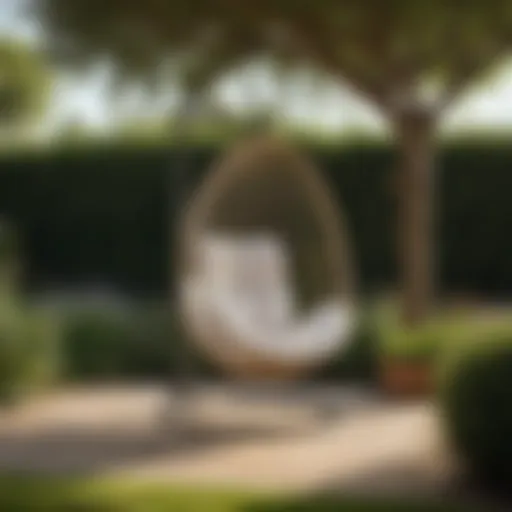
Comfort is crucial. Many wineries offer comfortable seating made from elegant yet durable materials. Look for pieces that blend seamlessly with the natural landscape. Stylish lounge furniture made of rattan or oversized cushions can invite guests to linger longer and immerse themselves in the wine tasting experience.
Decorative Lighting
As the sun begins to dip behind the hills, enchanting lighting becomes key to maintaining the allure of an outdoor wine tasting. Twinkling fairy lights strung across trees or lanterns adorning the tables can create a cozy ambiance that draws guests to stay well into the evening while savoring those well-crafted wines.
Plant Arrangements
Plants not only beautify but can also contribute to the enchanting atmosphere of a vineyard. Lush grapevines, aromatic herbs, and seasonal flowers can be strategically placed to welcome guests, adding an organic touch that connects visitors with the lush surroundings. Think lavender and rosemary to create a sensory experience that pairs beautifully with wine.
Hardscaping Solutions
The paths and spaces surrounding a tasting area should allow for smooth traffic flow while offering scenic views. Stone patios or paved walkways create an inviting connection between the indoors and outdoors, providing spaces for social gatherings. Utilizing local materials helps maintain an authentic Napa Valley feel.
Sustainable Practices
With increasing attention on sustainability, many wineries are adopting eco-friendly practices in their outdoor designs. Solar lighting, rainwater collection systems, and native plantings not only preserve the beauty of Napa’s landscape but also highlight a growing commitment to environmental stewardship.
For anyone looking to experience the essence of Napa Valley wine culture, understanding the delightful interplay between the surroundings and the exceptional offerings can elevate your tasting experience. It’s not just about the wine in your glass—it’s about the entire atmosphere that surrounds it.
Prelims to Napa Valley
Napa Valley stands as a hallmark of viticulture in the United States, with its landscape punctuated by rolling hills, verdant vineyards, and a climate seemingly crafted for winemaking. This region, cradled between the Mayacamas and Vaca mountain ranges, exemplifies the delicate balance of nature and human craftsmanship. Understanding Napa Valley is paramount, not only for wine enthusiasts but also for those embroiled in the luxury travel, culinary arts, and fine living.
Delving into the tapestry of Napa Valley’s wine culture unveils a wealth of knowledge about terroir, wine varieties, and the unique character of each winery. Visitors experience more than just tasting wine; they engage in a rich narrative encompassing the region’s heritage and its evolution. The proximity to the Pacific Ocean affords Napa a microclimate that can nurture diverse grape varieties, from the beloved Cabernet Sauvignon to the nuanced Chardonnay.
An essential element to consider is the overall experience offered by wineries—the ambiance, the service quality, and even the cuisine that pairs with the wines. Some places feel as intimate as one’s living room, while others showcase a grandeur that reflects their storied histories.
"Wine is sunlight, held together by water." – Galileo Galilei
This profound connection between nature and wine is vividly observable in Napa. Travelers can taste the difference—quite literally. The local artistry and craftsmanship exhibited in each bottle are reflections of a place imbued with passion and dedication. Notably, the journey through Napa is enhanced by its stunning vistas, often drawing visitors to partake in activities beyond wine tasting, like hot air balloon rides or culinary tours.
The article aims to guide the discerning reader through noteworthy vineyard experiences in Napa Valley, highlighting both iconic wineries and lesser-known gems that deserve attention. As luxury travel connoisseurs, its vital to explore beyond just the wine. It is about savoring a lifestyle, an experience that speaks to sophistication and a discerning palate. With Napa Valley as a backdrop, one can immerse in an exquisite journey that entwines the senses with the exquisite culture of American winemaking, inviting travelers to indulge fully in this opulent pastime.
As we traverse the storied paths of Napa Valley's wineries, we shall uncover the intimacy of its offerings and the deep-rooted significance of its place in the global wine landscape. By engaging with this article, one does not just read about Napa; instead, they are called to immerse themselves in its depth, character, and allure.
Historical Context of Wine Making in Napa
Understanding the historical context of wine making in Napa Valley is like peeling an onion; you find layers of tradition, innovation, and sometimes, sheer luck. This knowledge helps discerning wine enthusiasts appreciate more than just a glass of Cabernet Sauvignon or Chardonnay. It offers insight into the cultural and economic factors that shaped this remarkable region.
The story of Napa is woven with the efforts of visionaries who transformed it into a world-renowned wine destination. Grapevines haven’t just thrived here due to good weather; the social and economic currents have played a crucial role. This context is essential for luxury travelers, event planners, and fine dining consultants who wish to curate memorable experiences around wine tasting.
A look at Napa’s past reveals not only the struggles and triumphs of its early vintners but also the importation of European winemaking techniques that contributed to the valley’s elevation in the wine world. Having a grasp of these historical factors enriches not just the tasting experience but also exemplifies how wine is inherently linked to humanity’s quest for quality and excellence.
Early Beginnings of the Wine Industry
The roots of the Napa Valley wine industry stretch back to the mid-19th century. It was in the 1830s, when early pioneers, most notably George Yount, decided to plant the first grapevines in the region. Those initial efforts were not just about cultivating grapes; they were tied up with the aspirations of settlers hoping to carve out a life in the New World. Their struggles against nature carved a path toward what would become a thriving industry.
However, it wasn't until the 1860s and 1870s that Napa began to draw serious attention. Influenced by the burgeoning interest in wine from across the globe, numerous wineries sprang up. By the time of the 1876 Centennial Exposition in Philadelphia, Napa’s wines were presented and even awarded, giving the region its first taste of international acclaim. This was a tipping point; suddenly, Napa was no longer just about survival, but rather, about crafting distinctive and quality wines. The influence of Italian and French immigrants was paramount here, adding a rich tapestry of techniques and flavors.
Napa's Rise to Prominence
Serving as a catalyst for Napa's rise to prominence was the Judgment of Paris wine tasting in 1976. This event positioned Napa Valley on the global wine map and set the stage for future generations of winemakers. Traditional French wines were pitted against Napa’s finest, and astonishingly, the American wines took home top honors. The energy surrounding this event ignited a surge in viticultural innovation and thrust Napa into the limelight.
In the years following, investments poured into the region. Wineries like Stag's Leap Wine Cellars and Domaine Chandon started raising the bar for quality, engaging in scientific methods to refine their processes. The emphasis on grape varietals suited to the Napa environment laid the groundwork for premium wines that would capture the hearts of aficionados around the globe.
Napa’s industry matured significantly, drawing not only connoisseurs but also tourists who were eager to explore its charms. This influx brought about a shift in focus; wineries did not just aim to produce great wines, but they began to create experiences that merged quality wine with stunning landscapes and luxurious offerings.
"A visit to Napa Valley isn’t merely about the wine, it’s about appreciating a legacy of patience, passion, and an unyielding pursuit of excellence."
The historical context of wine making in Napa Valley helps craft an understanding of both the past and the present, serving as the backbone for a profound wine tasting experience. As visitors raise their glasses, they not only toast to the present but also honor the layers of history embedded in every sip.
Essential Factors in Wine Tasting
Wine tasting is not just about sipping a beverage; it's an intricate experience that demands attention to detail and a deep appreciation for the art of winemaking. Understanding the essential factors that influence this experience can enhance one’s enjoyment of wines significantly. When you step into the world of Napa Valley, where the vineyards thrive with potential, grasping these nuances is crucial. Here, we'll delve into two primary elements: terroir and winemaking techniques, both shape the taste of the wines poured into your glass and the stories they tell.
Understanding Terroir
Terroir is a French term that encapsulates the environmental factors that affect a crop's characteristics. In the context of viticulture, it signifies how soil composition, topography, microclimate, and even local traditions influence wine flavors. It’s a sense of place that is palpable in every sip.
Unraveling the mystery behind terroir involves recognizing that factors such as climate – be it the warm, sunny afternoons or the cool nights – play a pivotal role. Imagine a late summer evening in Napa, where the sunset paints the sky in hues of orange. Here, the days are hot enough for optimal grape ripening, while the brisk nights allow the acidity in the grapes to develop, creating a balanced wine with lasting impressions.
- Soil Composition: Different vineyards will have unique soil types that retain moisture or drain well, affecting how vines grow. For instance, volcanic soil holds nutrients and aids in developing deeper flavors.
- Microclimates: Napa Valley itself is a tapestry of microclimates, varying significantly even over short distances. Each vineyard's specific climate results in wines that express individual characteristics.
Emphasizing terroir during tastings not only fosters a deeper appreciation for the wine but also enriches conversations around the table, as each bottle can tell its own story rooted in the land where its grapes were grown.
The Role of Winemaking Techniques
Winemaking is both an art and a science. The techniques used during production profoundly influence the final product. From grape selection to fermentation methods, every choice made along this journey will mold the wine’s character.
Take, for example, the fermentation process. Whether using oak barrels or stainless steel tanks can alter the wine's flavor profile. Oak barrels can impart vanilla or spice notes, while stainless steel preserves the wine's true essence, allowing the varietal characteristics to shine. Silver Oak Cellars, for example, crafts distinctive wines through its commitment to barrel aging.
- Grape Varieties: Each grape type holds distinct attributes, and the choice of grape variety determines much of the wine's characteristics. Mediterranean varieties might thrive in Napa’s climate, bringing rich flavors.
- Blending: Many prestigious Napa wineries engage in the art of blending, combining different varietals to create balanced wines that appeal to various palates. You’ll find blends that harmoniously balance tannins, acidity, and residual sugar, crafting a more intricate tasting experience.
By understanding these techniques, you’ll not only enjoy wine more but also grasp the laborious efforts that go on behind the scenes in the vineyards. Like tasting fine cheese paired with your favorite wine, knowing the elements at play can enhance your appreciation.
"Wine is sunlight, held together by water." – Galileo Galilei
Landmark Vineyards for Wine Enthusiasts
When you think about Napa Valley, the first images that might spring to mind are rolling hills covered in lush vines, charming tasting rooms, and the sophisticated aromas of fermenting grapes. These landmark vineyards do much more than produce exquisite bottles; they embody the heart and soul of wine culture in Napa. They serve not only as tastemaking centers but also as cultural institutions that celebrate the craftsmanship involved in winemaking.
Visiting these vineyards is akin to stepping into a culinary experience where the land tells its own story through every sip. Each location is a wellspring of unique offerings, from their signature wines to the elegant ambiance that enchants patrons.
- Educational Opportunities: Many of these wineries provide rich storytelling alongside tastings. You can learn about diverse wine production methods or delve into the science behind the grape varieties. This is of great benefit to both novices and connoisseurs.
- Variety and Quality: Landmark vineyards often showcase an impressive selection of wines, allowing guests to find their favorites and discover new varieties that tickle their palate.
- Exceptional Experiences: The majority of these venues offer curated experiences, ranging from guided tours to exclusive tastings that intensify your appreciation for their craft.
In essence, landmark vineyards serve as gateways to understanding not only wine but also the intricate processes and traditions that have evolved in this region. Now, let’s unpack a few of the most distinguished vineyards that every wine enthusiast must explore.
Opus One Winery
Opus One Winery stands as a monument to luxury, a name often whispered among wine aficionados for its iconic Bordeaux-style blends. Founded in 1979 as a partnership between Robert Mondavi and Baron Philippe de Rothschild, it represents the harmonious blend of American and French winemaking philosophies.
Guests are welcomed into a stunning architectural marvel, designed to reflect both elegance and tradition. The tasting experience pairs exquisite wines with seasonal culinary offerings, allowing one to enjoy the full spectrum of flavors.
- Signature Offering: Opus One’s flagship blend encompasses Cabernet Sauvignon, Merlot, and a touch of Petit Verdot. Each vintage reveals nuances that speak of the vineyard's terroir.
- Exclusive Tours: Knowledgeable staff guide visitors through the vineyards and cellar, providing insights into the meticulous craftsmanship behind each bottle.
Ultimately, a visit to Opus One is an indulgent trip across time and tradition, offering a deep dive into exquisite winemaking while sitting in unparalleled luxury.
Stag's Leap Wine Cellars
Nestled in the cool confines of the Stags Leap District, Stag's Leap Wine Cellars earned its reputation after its Cabernet Sauvignon clinched the victory at the 1976 Judgment of Paris tasting. This quintessential vineyard attracts patrons not just for its wines but also for its breathtaking views.
The tasting room and outdoor patio afford guests panoramic sights of the surrounding hills, creating a serene backdrop for indulging in their acclaimed varietals.

- Notable Wines: Signature Cabernets from Stag’s Leap emphasize depth and elegance, with tannins that mature gracefully over time.
- Immersive Experience: Engage in educational tastings that emphasize the impact of terroir and the meticulous attention given to aging in French oak barrels.
Visiting here isn't merely about tasting wine; it’s about understanding its journey from vine to glass while absorbing the beauty of the landscape.
Silver Oak Cellars
Renowned for its commitment to producing Cabernet Sauvignon exclusively, Silver Oak Cellars is a gem of Napa, celebrated for its environmental consciousness and quality. Established in 1972, the richly sourced history and winemaking precision resonate in every bottle.
The stunning property invites visitors into a rustic mix of modernity and classic design, making it as much about the experience as it is about the wine itself.
- Sustainability Focus: Silver Oak is known for its sustainable practices and use of solar energy, emphasizing the importance of preserving nature.
- Tasting Experience: Their tasting room features a series of exquisite tastings that spotlight the nuances found within different vintages and vineyard sources.
A visit to Silver Oak is akin to a lesson in how quality and responsibility can intertwine within exceptional winemaking. Each sip here isn’t just an indulgence; it tells a story of commitment and craftsmanship.
In summary, landmark vineyards in Napa Valley offer a holistic experience—melding history, artistry, and luxury into every facet of the visit. Partaking in their tastings not only pleases the palate but also resonates with the heart, illuminating the rich traditions and unique qualities of the Napa Valley wine scene.
Boutique Wineries Worth Visiting
Boutique wineries hold a special significance in the Napa Valley wine scene, serving as intimate portals into the art of winemaking. Unlike larger brands, boutique wineries often emphasize artisanal production methods, personal attention, and unique varietals that can’t be found elsewhere. For a traveler who appreciates the finer points of wine and seeks a deep connection with the vineyard, these hidden gems offer an experience that is both educational and sensory.
Visiting a boutique winery weaves a narrative, offering not just a tasting but a tale of the land, climate, and people behind each bottle. You connect with the terroir in a way that large-scale operations can rarely duplicate. Additionally, as these vineyards commonly produce limited quantities, the wines become treasures, often leading to the formation of a passionate community of enthusiasts eager to share their discoveries. Whether you're a seasoned sommelier or a fledgling enthusiast, there’s always something valuable to uncover in the world of boutique wines.
Vineyard
Vineyard 29 boasts a reputation that is as rich as the Cabernet Sauvignon they produce. Located on the esteemed Diamond Mountain, this winery is known for its intimate setting and exclusive tastings. The experiences here are curated, ensuring guests receive personal attention tailored to their preferences. This is not just a tasting; it’s an exploration of how the landscape, climate, and innovative practices converge to create superior wine.
Upon arrival, visitors are enveloped in the stunning views, which only enhances the experience. The knowledgeable staff deftly describes each wine, laying out the story behind every vintage, and while sipping, one can truly appreciate the layers and nuances. Whether you opt for a private tour or a shared experience, the engagement level sets Vineyards 29 apart.
Palmaz Vineyards
Palmaz Vineyards marries tradition with cutting-edge technology, illustrating that innovation is key in winemaking. The winery’s hidden subterranean caves, excavated over decades, provide a unique climate for aging wine effectively. Here, visitors can taste a collection of wines, all while learning how engineering and gravity play a pivotal role in winemaking. The melding of art and science is seamless here, showcasing how modern methods can enhance traditional practices.
Guests are often drawn to the charming story of how the Palmaz family infused their heritage into the business, ensuring each bottle carries the essence of their passion. With its breathtaking landscapes and rich narratives, a visit to Palmaz offers an extraordinary experience reflective of Napa Valley’s heritage.
Aquilegia Wine
Aquilegia Wine stands as a testament to the art of small-batch winemaking. This quaint winery focuses on a select handful of varietals, allowing for meticulous attention to detail and experimentation. The intimate atmosphere gives a homely feel, resonating with visitors looking to understand the craft better.
The winemaker often personally hosts tastings, leading guests through a sensory journey while unfolding the intricacies of each wine. Theres something genuine in tasting wines made in small quantities, where every bottle feels like a carefully crafted expression. The stories shared at Aquilegia, filled with passion for the vines, make every sip meaningful.
"Boutique wineries offer a personal touch, allowing you to connect with the process and the people behind each bottle. It’s more than a tasting; it’s a shared journey into the art of winemaking."
Unique Tasting Experiences
When it comes to wine tasting in Napa Valley, the usual sip-and-savor approach takes on a whole new dimension. Unique tasting experiences are pivotal not just for their novelty, but also for the deeper connection they impose on the drinker. These encounters go beyond the basics, inviting aficionados and novices alike to dive into a world where the landscape, ambience, and educational elements intertwine.
Unique tastings can transform a routine outing into a memorable adventure. For instance, taking a pour directly from a barrel might introduce one to budding flavors long before the wine is even bottled. This experience allows users to grasp the nuances of aging and fermentation in a way that regular tastings may not offer.
Moreover, the backdrop for such experiences often enhances the flavor profile of the wine, literally and figuratively. A picnic in a vineyard, surrounded by vine-draped hills, can make the taste of local Cabernet Sauvignon linger long after the last sip. Each experience holds an invitation to engage one’s senses and appreciate culinary artistry.
Caves and Cellar Tastings
Caves and cellar tastings represent a fascinating slice of Napa's wine culture. Nestled deep within the earth, these spaces offer more than just a place for storing wine; they encapsulate history, craftsmanship, and even a bit of mystery. The cool, controlled climate of caves provides ideal conditions for wines to mature gracefully.
Imagine stepping into a candlelit cavern, surrounded by the earthy aroma of aged oak barrels. Here, you may sample exclusive vintages, often available only within the hallowed walls of the winery. The ambiance alone can sway one's palate, adding layer to the tasting as one sips amid centuries-old stone.
- Noteworthy cellars include:
- The Cave at Del Dotto Vineyards: Known for its impressive architecture and intimate tastings.
- Beringer Vineyards: One of the oldest wineries, with a historically significant underground labyrinth.
An added bonus of cave tastings is the often personalized nature of these events. Many wineries limit group size, ensuring that each participant receives the host's undivided attention. This can lead to tailored advice on pairings or even the story behind each bottle's selected ingredients.
As an additional tip, consider visiting during the quieter seasons. The cooler months often result in fewer crowds, allowing for a richer experience.
Picnic and Vineyard Tours

There’s something undeniably charming about a picnic among vines, with rolling hills as far as the eye can see. Napa Valley offers plenty of opportunities for such outings, which often pair wine tasting with culinary delights crafted from locally sourced ingredients.
Nestled in the heart of a vineyard, a well-planned picnic can be a delightful way to enhance the tasting experience. Many wineries offer picnic packages that include not just the wine but also a selection of gourmet bites, aligning perfectly with the flavors of their selections.
- Key aspects to consider while planning a vineyard picnic:
- Wine selection: Choose a wine that complements your food. For rich cheeses, a bold red works well, while lighter fare may call for a crisp white.
- Scenery: Opt for a spot with a picturesque view, perhaps a hillside overlooking the vines or beneath a grand old oak tree.
- Comfort: Blankets, comfortable seating, and perhaps some shade can enhance the enjoyment, encouraging relaxation and appreciation of surroundings.
Most wineries will accommodate picnics, but it's wise to check in advance. Not all vintners allow outside food, preferring that guests sample their gourmet offerings instead. This allows for a curated culinary experience that can enrich your engagement with the wine.
In sum, whether you find yourself sipping in a cool cave or enjoying a meticulously prepared picnic, these unique tasting experiences allow for a richer understanding of Napa's terroir and winemaking tradition. They invite connection not only with the wines but with the land that birthed them, an essential part of appreciating Napa's offerings.
"Wine is sunlight, held together by water." - Galileo Galilei
For more information about Napa Valley’s wine scene, resources such as Wine-Searcher and Napa Valley Wine are excellent starting points.
Complementary Activities and Offerings
When visiting Napa Valley, the wine itself is only the tip of the iceberg. A true exploration of this stunning region goes beyond just sipping fine vintages; it encompasses a myriad of complementary activities that elevate the experience. These offerings not only enrich your time spent in the valley but also provide a deeper understanding of the culture and creativity that permeate every aspect of Napa’s vibrant community.
Gourmet Dining Options
Food and wine make a match made in heaven. Napa Valley boasts an impressive array of gourmet dining experiences that are not to be missed. From Michelin-starred restaurants to quaint bistros, the culinary landscape reflects the same dedication to quality that you’ll find in its wineries.
Many establishments emphasize locally sourced ingredients, often featuring seasonal menus that change throughout the year. For instance, The French Laundry, located in Yountville, is one of the most decorated restaurants in the nation, renowned for its meticulous focus on both flavor and presentation. Patrons indulge in a multi-course tasting menu that harmonizes stunning dishes with the ideal wine pairings—often sourced from nearby vineyards.
For a more casual yet equally delightful experience, Bistro Don Giovanni offers an authentic taste of Italian cuisine infused with Napa's local flair. Diners can enjoy a leisurely meal on the patio, complemented by the scenic vineyard views.
It’s worth mentioning that many wineries also feature on-site dining that complements their own wines. These vineyard restaurants provide a unique opportunity to enjoy a perfectly curated meal alongside the very wines you are tasting.
Cultural and Art Experiences
Napa Valley is not just about fine wine and food; it is also a hub for art and culture. As you explore the valleys, make time to delve into the local galleries and cultural landmarks that reflect Napa’s rich artistic heritage.
The di Rosa Center for Contemporary Art, for example, is a treasure trove of modern artworks, showcasing pieces by local artists as well as renowned figures from the Bay Area. The center is set within a beautiful estate that doubles as a picturesque backdrop for any art-lover's afternoon.
Additionally, taking part in the Napa Valley Art Walk, a self-guided tour, allows visitors to further appreciate the region's commitment to fostering a creative community. This event showcases sculptures and installations displayed throughout Napa’s charming downtown.
Participating in local festivals can also enrich your visit. Events such as the Napa Valley Wine and Food Festival highlight not only delicious wines but also the culinary artistry of the region, showcasing local chefs, artisanal producers, and gastronomic innovators.
"Wine and art are two sides of the same coin. Both require passion, creativity, and a meticulous attention to detail."
Planning Your Visit
When it comes to planning a visit to Napa Valley, savvy travelers know that preparation is key to unlocking its hidden treasures. Nestled in the heart of California, Napa isn't just any wine region; it's a tapestry of vineyards, sprawling estates, and an ambiance crafted for the discerning palate. Whether you're a seasoned oenophile or a curious newcomer, understanding how to navigate your experience can make all the difference. Here’s what you need to consider:
Best Seasons for Wine Tasting
Timing can be everything in Napa Valley. Each season offers a unique slice of the wine-making process and its surroundings:
- Spring (March to June): This is arguably one of the most picturesque times to visit. The vineyards bloom with vibrant flowers, and temperatures are pleasantly mild. Events like vineyard planting add excitement to the atmosphere.
- Summer (June to September): Expect long days filled with sunlight and a lively hustle and bustle throughout the valley. This is peak tourist season, making it perfect for vibrant tasting events, though be prepared for some crowds.
- Fall (September to November): The harvest season draws in many visitors, making it an exciting time. Grapes transform into a palette of colors, and many wineries host special harvest events. The crisp air feels invigorating as the leaves turn golden.
- Winter (December to February): If you prefer quieter surroundings, winter is a gem. Wineries create intimate experiences, often with seasonal offerings. The tranquility of Napa in winter allows for personal interaction with vintners who are eager to share their insights.
"A well-planned visit opens up a world of experiences in Napa Valley that goes beyond just sipping wine."
Making Reservations
In Napa, spontaneity can be a double-edged sword. While there are delightful surprises waiting at every corner, many of the valley's premier wineries require advanced reservations. Here’s how you can secure the best spots:
- Do Your Homework: Identify which wineries interest you most. Each one has its distinct style and offerings, from small, family-owned establishments to renowned estates. So, having a top-ten list based on your wine preferences is essential.
- Book Early: Many popular wineries fill up weeks in advance, especially during peak seasons. A smart traveler will often plan their itinerary months ahead.
- Consider Tasting Packages: Some wineries offer curated tasting experiences that include food pairings or tours. Finding packages that resonate with your interests can enhance your visit tremendously.
- Be Flexible: Sometimes, the hidden gems are those not on the radar. Don't shy away from exploring lesser-known wineries that might be open for walk-ins. They often provide unique experiences without the fuss.
Closure
In wrapping up our journey through Napa Valley, it’s essential to recognize the rich tapestry of experiences that come together in this stunning wine region. Each winery, whether a celebrated giant or a quaint boutique, contributes to the allure of Napa. The variety encompasses not just the exquisite wines, but the ambience, cultural experiences, and the delightful culinary pairings that can elevate a simple tasting into an unforgettable adventure.
Wine tasting in Napa is not merely about sipping from a glass; it’s a full sensory experience. The sites where tastings occur, often with breathtaking views of rolling hills or lush vineyards, set the stage for a deeper appreciation of what’s being sampled. One must consider the terroir, which speaks so much about the characteristics of the wine, largely influenced by the local climate, soil type, and even the vineyard's history. Understanding this side of the equation enriches the experience, helping even novice tasters develop a discerning palate.
Moreover, Napa's unique offerings often provide an education in winemaking techniques. Personalized vineyard tours can reveal insights into the delicate processes that transform grapes into the fine wines we enjoy. Knowledge gained here can foster a connection, allowing visitors to appreciate each sip in a new light.
When planning a visit, it's wise to account for the seasonal aspects of the region. Not only does the landscape change with the seasons, but the available wine selections may also vary. Certain varietals shine brightest at specific times of the year; an exploration of this can lead to a more fulfilling tasting experience. Booking in advance where necessary ensures that you won’t miss out on the best experiences Napa has to offer.
Lastly, sharing this journey with fellow wine lovers can transform the experience into a communal celebration, fostering conversations that delve into the nuances of the wines sampled. Just as a fine wine unfolds its complexities over time, so too does the camaraderie created in such a rich environment.
In sum, Napa Valley is not just a destination; it’s an immersion in culture, luxury, and history. The importance of understanding these layers helps foster appreciation, ensuring that each visit can be uniquely savored. Whether you are an aficionado or simply dipping your toes into the world of wine, the insights gained from exploring Napa's premier tasting experiences will linger well beyond the last drop.