
Essential Plants That Attract Bees for Your Garden
Intro
Bees have long played a crucial role in our ecosystem, serving as primary pollinators for many plants that we rely on for food and beauty. However, their populations are facing serious challenges due to habitat loss and environmental changes. To counter this decline, gardening enthusiasts and professionals alike can take proactive steps by integrating bee-attracting flora into their landscapes. This article serves as a roadmap for selecting the right plants that not only lure bees to your garden but also contribute to the overall biodiversity of your environment. By understanding the various types of plants available, their blooming periods, and their suitability for different regions, readers can aptly design their gardens while ensuring a thriving ecosystem for our buzzing friends.
Outdoor Decor Ideas
When considering garden designs that draw in bees, it's imperative to think beyond mere plant selection. The surroundings play a significant role in creating an inviting atmosphere. Here are some thoughts to elevate your outdoor space:
Plant Arrangements
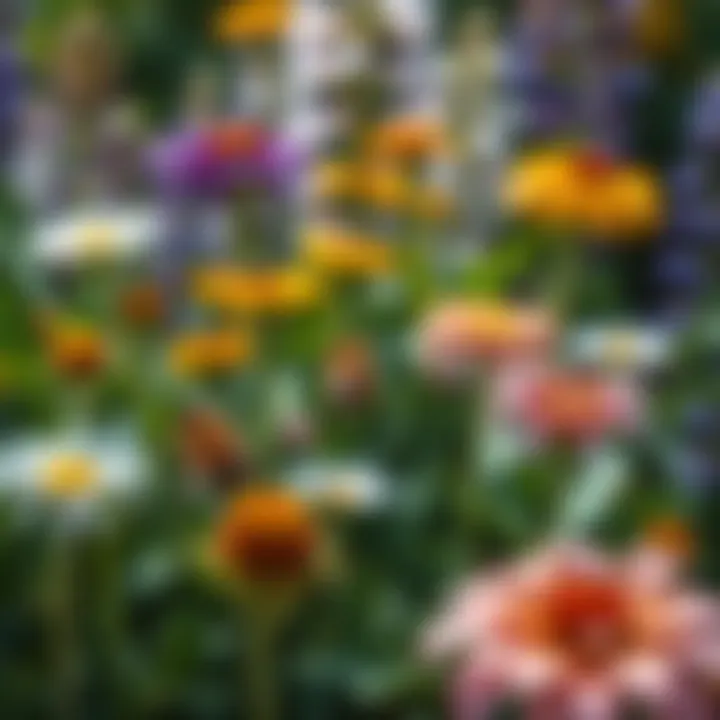
Strategically arranging your bee-friendly plants can significantly enhance their appeal. Plant species with similar blooming periods together, creating a vibrant tapestry of color that not only attracts bees but also pleases the eye. For example, consider grouping bright yellow coneflowers with striking purple asters. Not only will this combination attract a variety of bee species, but it also results in an eye-catching display.
Hardscaping Solutions
Incorporating hardscaping elements such as pathways or rock gardens can add visual intrigue and functionality to your garden. A rustic stone path lined with bee-attractive plants like lavender or marigolds can guide visitors while also providing a thriving environment for pollinators.
Sustainable Practices
Practicing sustainability in your garden can lead to a more flourishing landscape. Avoiding pesticide use, for instance, protects bees from harmful chemicals while promoting their health and well-being. Opting for organic fertilizers and mulching techniques can further encourage biodiversity while enhancing soil quality. Remember, a healthy garden is a happy one!
Seasonal Inspirations
A garden that changes with the seasons can provide continuous food sources for bees. Select late bloomers like goldenrod or fall-blooming sedum, which will ensure that your garden remains buzzing even as summer fades.
A well-planned garden not only beautifies the landscape but also serves as a sanctuary for pollinators, helping to sustain the delicate balance of our ecosystems.
In summary, creating an outdoor space that attracts bees goes beyond simply planting a few flowers. Thoughtful arrangements, sustainable practices, integrating hardscaping, and seasonal planning all contribute to crafting a rich habitat that supports pollinators while enhancing the aesthetic appeal of your garden.
Understanding the Role of Bees in the Ecosystem
Understanding the role of bees in the ecosystem is not just an academic exercise; it’s a crucial component of sustaining our environment. Bees are often dubbed the unsung heroes of nature, quietly playing their part in the grand scheme of life. They go about their activities, pollinating a vast variety of plants, which ensures the continuation of these species. It’s a beautiful cycle, really. When bees visit flowers searching for nectar, they transfer pollen from one bloom to another, facilitating fertilization and leading to the production of fruits and seeds. This process is essential for both agricultural crops and wild flora.
The Importance of Pollination
Pollination is paramount to the growth of food crops and the preservation of wild plants. It’s estimated that about 75% of the world’s flowering plants depend on animals like bees for pollination. This includes many fruits and vegetables we often take for granted, such as apples, almonds, blueberries, and cucumbers. Without bees, agricultural yield could drop significantly, leading to food shortages and increased food prices. Populations of various animal species that rely on these plants for food would also be affected, resulting in a ripple effect through ecosystems.
For gardeners, understanding the significance of pollination opens doors to more fruitful gardening. By attracting bees, one nurtures a vibrant garden ecosystem, enhancing the beauty and productivity of any space. It is often said that "you reap what you sow," and this holds true in the context of gardening and pollination.
Threats to Bee Populations
Despite their invaluable role, bees face numerous threats that jeopardize their populations. Habitat loss due to urbanization and monoculture farming practices leads to fewer food sources for bees. Furthermore, the widespread use of pesticides harms not just bees but entire ecosystems. Pesticides can disrupt the bees' ability to navigate and communicate. Disease and parasites, like the infamous Varroa mite, further complicate their plight by weakening colonies.
Another significant issue is climate change, which affects flowering patterns and bee foraging behavior. Changes in temperature and weather patterns can lead to mismatches between flowering times of plants and the activity periods of bees, making survival even more challenging.
In essence, understanding the risks faced by bee populations highlights the urgency of adopting bee-friendly practices in our gardens and communities. By fostering environments conducive to their survival, we collectively contribute to maintaining biodiversity.
"The survival of bees is more than just their existence; it’s about nurturing the web of life interconnected with our own survival."
By considering these elements, we can better appreciate the significance of pollination and the threats bees face, galvanizing action to protect our fragile ecosystems.
Characteristics of Bees and Their Preferences
Understanding the characteristics of bees and their preferences is essential for creating a thriving environment that beckons these vital pollinators. By delving into this topic, readers can decipher the elements that attract bees, allowing for a more purposeful approach to gardening and landscaping. Bees are not a homogeneous group; they exhibit diverse behaviors and preferences, and recognizing these nuances enables gardeners to cultivate spaces that resonate with these creatures while also benefiting the broader ecosystem.
Types of Bees and Their Behaviors
Bees are not merely buzzing nuisances; they play critical roles across various ecosystems. Here, we will explore a few different types of bees and their distinct behaviors:
- Honey Bees: These are social insects that live in hives and are exceptionally organized. They exhibit sophisticated communication through waggle dances, sharing the location of productive flowers with colony mates. Their foraging behavior tends to be methodical, and they usually return to the same flower sources multiple times during the day.
- Bumblebees: Unlike honey bees, bumblebees have a more robust and fuzzy appearance due to their dense body hair. They're known as proficient foragers, able to work in cooler temperatures and vary their foraging patterns based on available resources. Bumblebees can pollinate a wide array of plants and are essential for many wildflower populations.
- Solitary Bees: This group includes mason bees and leafcutter bees, which do not live in colonies. Instead, they nest individually, often in small cavities or even in the ground. Their behavior is also unique; for example, leafcutter bees are known for cutting leaves into circles to create their nests. These solitary species are crucial as they often visit plants that social bees might overlook,
- Carpenter Bees: Often mistaken for bumblebees, carpenter bees bore holes into wood to make their nests. Their solitary nature means they do not contribute to the complex social structure of colonies, but they are effective pollinators, particularly for plants like tomatoes and blueberries.
By understanding the behavioral variations among these bee types, one can create a more diversified and bee-friendly landscape.
Floral Preferences and Nutritional Needs
For bees, flowers are not just colorful accessories; they are essential sources of nourishment. Different bee species exhibit preferences for specific floral characteristics, which can help in selecting plants that will attract them:
- Flower Shape: Bees generally prefer open, flat flowers like daisies, which allow easy access to nectar. However, tubular flowers often attract hummingbirds and certain long-tongued bee species like bee-fly. Understanding these preferences ensures that desired bee varieties visit your garden.
- Color Palette: Bees are particularly drawn to blue, purple, and yellow blooms. Flowers with these colors can be used strategically to create vibrant spaces that attract pollinators. Interestingly, bees are less attracted to red flowers, as they cannot perceive the color red distinctly.
- Scent and Nectar Production: Scent plays a pivotal role in attracting bees. Flowers that produce lovely fragrances often draw more visitors. Moreover, plants such as lavender and hyssop are known for their abundant nectar, making them coveted sources for hungry bees.
With this knowledge of floral preferences and nutritional needs, gardeners can curate their gardens to meet the requirements of various bee species, significantly enhancing the chances of attracting these important pollinators.
"Creating a bee-friendly garden pays dividends far beyond beauty; it revitalizes whole ecosystems, one flower at a time."
By delicately weaving the characteristics of bees and their preferences into garden designs, individuals not only support bee populations but also cultivate environments rich with biodiversity. This harmonious relationship between plants and pollinators sets the stage for a flourishing ecosystem.
For more detailed insights, you might explore these sites: Wikipedia - Bees, Britannica - Pollination, Government of Canada - Pollinators.
Plants That Attract Bees: An Overview
Understanding how plants lure bees is crucial in building a vibrant and productive garden. Not only do these plants contribute to the beauty of a garden, but they also play a vital role in sustaining the diverse bee populations. By selecting specific flora that attracts these pollinators, one can ensure a rich interplay between plants and bees, ultimately enhancing the overall ecosystem.
Benefits of Attracting Bees
When bees visit flowers, they inadvertently transfer pollen from one flower to another, which is essential for the production of fruits and seeds. Choosing the right plants helps create a buzz in your garden, literally! Furthermore, gardens populated by bees are often more resilient and self-sustaining, with greater biodiversity that benefits not just the immediate environment but also the local wildlife.
Considerations for Plant Selection
While it’s tempting to fill gardens with any flowering plant, considerations such as the region's native species and blooming times are crucial. Native plants are typically better suited for attracting local bee species, as they evolved together over time. Additionally, a thoughtful mix of plants with varying bloom periods ensures that pollen and nectar are available throughout the growing season, keeping the bees happy and nourished.
Native Plants vs. Non-Native Plants
The topic of native plants here is about more than just aesthetics. Native plants have evolved to flourish in their local conditions while supporting regional populations of bees and other pollinators. They provide a source of food that native bees have adapted to rely on. Because these plants co-evolved with the native bee species, they offer nectar and pollen in forms that those species prefer.
In contrast, non-native plants might struggle to survive in local climates or may not provide the necessary nutrients for local bee species. Some non-native plants can even introduce pests that the local flora isn't prepared to combat.
Thus, choosing native plants over non-native ones can lead to stronger and more resilient bee populations, aiding in efforts to preserve biodiversity in local habitats.
Perennials That Bloom Throughout the Seasons
Perennials can be a gardener's best friends. These plants return year after year, providing continuous support for bees. Varieties like Echinacea (Coneflower) and Lavandula angustifolia (Lavender) are not only stunning but also packed with nectar. Rooting for a solid array of perennials ensures that bees have a reliable food source from spring through fall.
Some popular choices include:
- Black-eyed Susan: Bright yellow flowers that bees can’t resist.
- Aster: Blooms late in the season, extending food availability when other sources fade.
- Salvia: Various colors and robust nectar draw in many pollinators.
Annuals That Provide Ongoing Nectar Sources
While perennials are fantastic in their return, annuals have their own charm. Annuals like Zinnia and Marigold can fill in gaps where perennials might have down time. Their bright colors and long bloom times create a buzzing hub for bees. This also allows gardeners to experiment with different types each growing season.
Some excellent annual options include:
- Sunflower: Tall and bold, sunflowers are especially attractive to bees.
- Cosmos: An easy-grow flower that thrives in a variety of soil conditions.
- Nasturtium: That lush greenery doubles as a leafy snack for some bees.
By thoughtfully combining native and well-chosen non-native species, one can create a scenic garden that dazzles the eye and draws in essential pollinators.
Through careful planning, understanding the nuances of plant selection can enhance not only the garden but also the surrounding ecosystem. This synergy can foster an inviting habitat for bees, allowing them and your garden to thrive together.
Specific Plants to Consider for Attracting Bees
Selecting the right plants is vital in cultivating an environment that not only pleases the eye but also serves as a haven for bees. When you choose specific plants that attract these pollinators, you’re contributing to a healthier ecosystem. The thoughtful selection leads to a flourishing garden while promoting increased biodiversity, supporting the crucial role bees play in pollination. By incorporating a mix of wildflowers, herbs, and select shrubs and trees, you can create a vibrant garden that appeals to a variety of bee species.
Wildflowers: A Natural Attraction
Wildflowers are often the unsung heroes of any garden. They tend to be sturdy, colorful, and highly attractive to bees. By creating a habitat filled with these flowers, you help sustain both local bee populations and the surrounding ecosystem.
Black-eyed Susan
The Black-eyed Susan, with its bright yellow petals and dark brown center, is especially beloved by various bee species. This flower is known for its long blooming period, stretching from summer into early fall, thus providing a reliable nectar source. As a native plant, it’s well-adapted to local conditions, so it demands less maintenance and supports regional pollinators effectively.
Colorful patches of these flowers can transform any garden into a welcoming space for bees. However, it's worth noting that while black-eyed Susans are generally hardy, in overly wet conditions, these plants may experience root rot. Keeping the soil well-drained is a small price to pay for their vibrant charm.
Coneflower
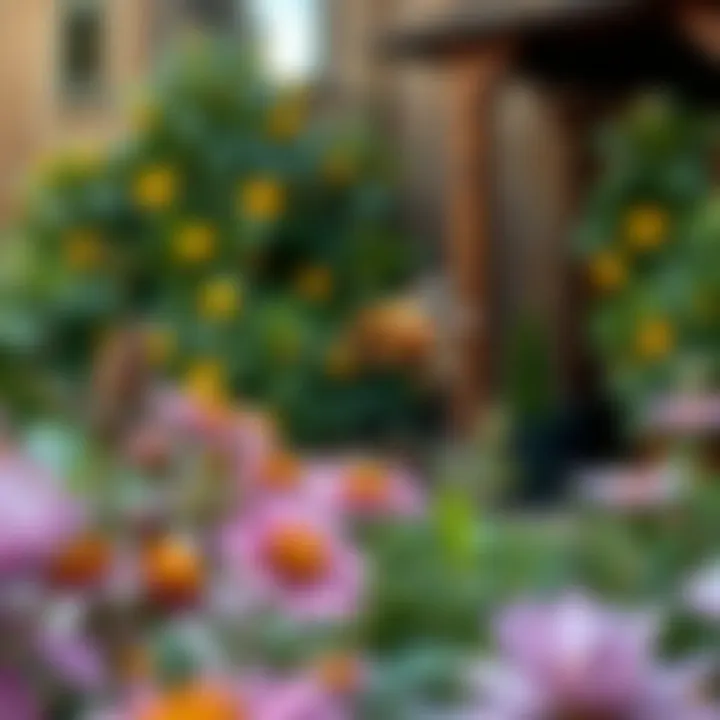
Coneflowers, or echinaceas, are another fabulous option for attracting bees. These flowers have a unique pink or purple hue that stands out attractively in any garden. The tubular shape of the petals makes it easy for bees to access nectar. They bloom from mid-summer to early fall, offering sustenance just when bees need it most for their late-season foraging.
Moreover, coneflowers are resilient and drought-tolerant once established, making them as practical as they are pretty. If you’re considering attracting butterflies along with bees, these flowers are a two-for-one deal. Just keep an eye on pests; sometimes coneflower's lovely blooms can attract unwanted visitors.
Goldenrod
Don’t let its bad rap fool you: Goldenrod is a powerhouse when it comes to attracting bees. Often mistaken for a weed, this plant provides a late summer to early fall bloom that offers a serious nectar supply when many other plants are fading. Its strong scent and bright yellow flowers are irresistible to many pollinators.
The advantages of incorporating goldenrod are plentiful; it's hardy and can thrive in various soil types, making it an excellent choice even for novice gardeners. Some individuals worry about its tendency to spread, but a bit of regular pruning can manage this effectively, allowing you to control its growth while still reaping the benefits.
Herbs That Benefit Pollinators
Herbs are not only culinary delights but also fantastic bee attractants. Incorporating herbs into your garden can provide health benefits and be a treat for your local pollinators.
Basil
Basil isn’t just great for pasta—it's an equally appealing option for bees. This herb, especially when in flower, sends out a delightful scent that draws in bees from all around. Basil blooms in mid-summer and its small white flowers are known to attract various pollinators beautifully.
Planting it in a sunny spot will yield the best results, as basil loves full sun. Just keep in mind that if too much rain falls, basil can easily wilt. The bright leaves of basil paired with little white flowers create a captivating garden display while contributing to bee health.
Thyme
Thyme is another herb that’s often overlooked when considering bee-friendly plants. The dense clusters of tiny flowers that thyme produces are a magnet for bees, particularly during their active months. This hardy herb not only serves culinary purposes but also provides cover for beneficial insects.
Thyme does well in poor soil conditions, making it an ideal plant for those who might struggle with gardening. It’s worth noting that while thyme is generally low-maintenance, ensuring it doesn't become waterlogged is crucial for optimal growth.
Oregano
Oregano packs a punch in the kitchen and in the garden! This herb becomes a bee attraction when it flowers in mid-summer to early fall, providing a steady source of nectar. The small white and pink flowers are visually appealing to both humans and bees alike. It’s an easy grower, thriving even in less-than-ideal soil conditions.
However, a cautionary note: oregano can take over if not properly managed. A bit of regular trim here and there can ensure it doesn’t overshadow its neighboring plants. But its benefits far outweigh the negatives—bee activity is often noticeably higher where oregano is planted.
Shrubs and Trees That Support Bee Activity
Integrating shrubs and trees into your landscape can further enhance the habitat for bees. These plants offer not just blooms but also shelter and nesting materials.
Blueberry Bush
The Blueberry Bush is an excellent choice for both gardeners and bees. Not only does it produce delicious fruits, but its flowers serve as a vital nectar source in early spring when other flowers are scarce. The bell-shaped flowers are particularly inviting to bees.
Blueberry bushes prefer acidic soil and full sun. While they may require a bit more care initially, the long-term benefits of pollinator attraction and fruit harvest are worth the effort. Be aware that heavy pruning can affect your blueberry harvest, so careful attention is key.
Serviceberry
The Serviceberry tree is cherished for its delicate white blossoms and early bloom time, providing bees with an early-season food source. These trees also produce small, sweet berries that humans can enjoy, making them a win-win.
Furthermore, serviceberries can grow in diverse conditions—from urban areas to rural landscapes. While they are generally hardy, keeping an eye out for pests is essential, as some species may invite unwanted guests.
Willow
Willow trees are ecological titans, especially for bees. In early spring, before many other plants bloom, Willow flowers support bees by offering them an early nectar source. Their catkins are particularly attractive and serve as a lifeline when bees are emerging from hibernation.
While willows generally thrive near water, they can adapt to various soil types. However, these trees can grow quite rapidly, so planning is key to ensure they complement your landscape without overtaking it.
Integrating these specifically chosen plants into your garden can create a sanctuary for bees. By embracing wildflowers, herbs, and various shrubs or trees, you’re actively participating in the preservation of these essential pollinators while beautifying your surroundings. Together, they form a complete ecosystem that encourages not just bee activity, but also sustains the surrounding environment for future generations.
Strategies for Planting and Maintaining Bee-Friendly Gardens
Creating a pollinator-friendly garden is not just a trend; it’s a necessity. Bees, as critical agents in pollination, are facing threats from habitat loss and climate change. Thus, implementing effective strategies for planting and maintaining gardens that attract bees is pivotal. By focusing on creating a landscape that supports bee activity, one can significantly contribute to their survival while enjoying a vibrant and diverse garden. This section dives into the elements crucial for nurturing an environment where bees thrive.
Creating Diverse Planting Schemes
Diversity is the heartbeat of a thriving bee garden. When you incorporate various plant species, it extends the blooming period and provides a consistent supply of nectar and pollen—two essentials for bee survival. Consider this: when flowering plants are arranged in layers or clusters, they not only create a visually appealing landscape but also facilitate easier foraging.
Several factors should guide the selection of plants:
- Local Native Species: Plants that are indigenous to your area generally attract local bee populations more effectively than exotic species. For example, in the North American Midwest, plants like bee balm or purple coneflower serve as favorite haunts for native bees.
- Color Variety: Bees are attracted to bright colors, particularly blue, purple, yellow, and white. A colorful garden ensures that you have multiple species of bees visiting your plants.
- Plant Height and Growth Habits: Mixing plant heights can create inviting spaces. Taller flowers like sunflowers can provide structure, while low-growing plants such as creeping thyme can add layers to your garden.
In your garden planning, think about the relationships between plants, their blooming times, and how they weave together visually. This harmonious blend doesn’t just attract bees—it can also create a dynamic ecosystem where other beneficial species, like butterflies, feel welcome.
Timing Planting for Optimal Blooming
The timing of your planting efforts is just as critical as choosing the right plants. To support bees year-round, it’s essential to stagger blooms from early spring through late fall. This strategy ensures that food is available as different species of bees emerge throughout the seasons.
To achieve a cascading flow of blooms, take the following approach:
- Early Bloomers: Start with plants that flower early in the spring, like crocuses or snowdrops. These are particularly vital as they provide food for bees emerging after winter.
- Mid-Season Staple: As spring transitions to summer, include plants like lavender and daisies. They not only bloom profusely but also have generous nectar supplies.
- Late-Season Blooms: As fall approaches, plants such as asters and goldenrods are crucial. They not only sustain late-emerging bees but also serve as food sources for preparing for the winter months.
By timing your planting properly, you can create a buffet for bees that lasts for months on end, ensuring these important pollinators have access to the resources they need for survival.
"A bee-friendly garden is like a well-timed symphony. Each bloom plays its part, creating a continuous flow of sustenance for our pollinators."
In sum, adopting these strategies enhances not only the aesthetics of your space but also focuses on the greater good of supporting bee populations. This commitment fosters a healthy environment and contributes to the complexities of our ecosystems, highlighting the intrinsic value of every choice we make in our gardens.
Environmental Considerations and Sustainability
In today’s rapidly changing world, the dialogue surrounding environmental sustainability and its implications for biodiversity is more crucial than ever. This section shines a light on the importance of mindful gardening practices, particularly in how we cultivate plants that are not just visually appealing but also beneficial for pollinators, especially bees. By understanding the relationship between bee-friendly plants and ecological balance, gardeners can contribute to the health of their local environment while also reaping the rewards of a thriving garden.
Reducing Pesticide Use
Pesticides pose a significant risk to bee populations, negatively affecting their health and survival. This section will unpack the detrimental impact of harmful chemicals that linger in the soil and on plants. These substances can rob bees of their health, significantly lowering their numbers and affecting their crucial role in pollination.
To create a safe haven for bees and other pollinators, consider adopting integrated pest management (IPM) strategies. IPM involves a variety of practices, including:
- Cultivating Resistant Varieties: Choose resilient plant types that can fend off pests naturally, thus reducing the need for chemical treatments.
- Encouraging Beneficial Insects: Attract predators that feed on pests, like ladybugs and lacewings, to your garden. This helps to maintain a natural balance and diminishes reliance on external pesticides.
- Natural Alternatives: When intervention is necessary, opt for natural or organic solutions, such as neem oil or insecticidal soap, to keep your plants healthy while safeguarding the bees.
Taking these steps not only helps in decreasing toxin levels in the environment but also creates a nurturing space for all forms of life within our gardens.
Promoting Biodiversity Beyond Bees
While the focus here is on attracting bees, one cannot disregard the broader concept of biodiversity. A garden brimming with diverse flora encourages a variety of wildlife to flourish. Various pollinators, such as butterflies, moths, and hummingbirds, play indispensable roles in maintaining the ecosystem. By encouraging a range of plant species, gardeners can create niches that cater to numerous organisms.
Here are some effective ways to promote a richer biodiversity in your garden:
- Choose a Variety of Plants: Incorporate various plants with differing bloom times to provide continuous sources of food for pollinators. This not only benefits bees but the entire ecosystem.
- Habitat Creation: Create microhabitats with shrubs, grasses, and wildflowers. Consider leaving some areas of your garden a bit wild; it can serve as a shelter and breeding ground for various species.
- Adopt Sustainable Practices: Composting, water conservation, and minimizing lawn space in favor of gardens can promote a more sustainable landscape.
By understanding the interconnected web of life in our gardens, we can begin to appreciate the importance of all organisms, fostering a healthier, more viable environment for both bees and the myriad of creatures that depend on them.
"Diversity isn't a luxury; it's a necessity for a sustainable future in our gardens and ecosystems."
Engaging in these environmentally sound practices not only enhances the ecological landscape but also enriches our experience with nature. Thoughtful planning with sustainability at the forefront ensures that our gardens become havens for all forms of life.
The Future of Bees and Pollinator Health
As we look toward the future, the health of bees and other pollinators is in a precarious state. Pollinators are not merely beneficial; they are essential for the survival of numerous ecosystems and the food sources that humans rely on. The decline in bee populations could spell disaster for agriculture and biodiversity. It is crucial to understand this reality as it compels action towards sustainable practices that ensure the well-being of these insects, which in turn sustains our planet's health.
Conservation Efforts and Community Involvement
Efforts to conserve bee populations have seen a myriad of approaches, ranging from grassroots movements to large-scale initiatives led by environmental organizations. Local communities play a pivotal role in these efforts. For example, programs that encourage planting bee-friendly gardens in urban areas help create vital habitats. When residents come together to transform vacant lots or underutilized spaces with flowers that attract bees, they create a corridor of blooming beauty that not only supports pollinators but also fosters community spirit.
Moreover, educational initiatives can help spread awareness about the importance of bees in our food supply and ecosystems. Schools can integrate environmental studies focusing on local flora and fauna, while local governments might sponsor workshops on sustainable gardening techniques. Grassroots campaigns often leverage social media platforms to increase visibility and engagement, leading to a stronger, more informed public eager to participate in conservation activities.
"Community-driven conservation can lead to profound impacts, illustrating the power of collective action in addressing environmental issues."
Ongoing Research and Innovations
Continued research and innovation are crucial for safeguarding the health of pollinators. Scientists are exploring a variety of dimensions related to bee welfare, ranging from habitat restoration to the impacts of climate change on bee behavior. For instance, studies have highlighted how diminshing climate stability affects flowering periods of plants, consequently impacting bees’ foraging schedules. In response, researchers are experimenting with planting time-adjusted flora that aligns more harmoniously with the lifecycle of various bee species.
Innovative techniques in agriculture, such as precision farming and integrated pest management, aim to reduce pesticide usage and facilitate a healthier environment for bees. Furthermore, the use of technology is on the rise, as smart farming tools and apps that monitor bee activity and health become more prevalent. These advances not only promise to enhance the efficacy of pollination but also contribute to a more sustainable agricultural future.
In synthesis, the unfolding narrative of bee health interlinks conservation, community involvement, and scientific inquiry. Protecting these pollinators is not merely an environmental issue; it is a comprehensive endeavor that calls for a synergy of effort across various sectors of society. By understanding the intricate relationships within our ecosystems, we can cultivate a future that not only prioritizes bee populations but also thrives with their presence.
Culmination: The Impact of Plant Choices
Choosing the right plants not only beautifies our gardens but also plays a pivotal role in supporting the vital populations of bees. The symbiotic relationship between flowering plants and bees is woven deeply into the fabric of our ecosystems. When selecting plants, it becomes essential to consider their impact not just on our immediate surroundings, but also on the broader natural world.
For gardeners and landscape designers, the impact of plant choices goes beyond mere aesthetics. It involves nurturing a healthy ecosystem that sustains bees and other pollinators. Pollinators are instrumental in achieving a balanced food chain, and their success can hinge on the availability of suitable plants in their environment.
Benefits of Plant Choices
The benefits of selecting the right plants are multifaceted:
- Enhancement of Biodiversity: Specific plants increase variety in local flora, providing diverse habitats and food sources. The result is a richer ecosystem teeming with wildlife.
- Continual Blooming Stages: By choosing plants that bloom at different times, gardeners can ensure a steady food supply for pollinators like bees throughout the seasons. This increases not just bee populations but the overall health of our gardens.
- Aesthetic Appeal: Vibrant blooms and lush greenery attract not only bees but also people. A habitat that supports pollinators effectively enhances its visual attraction for community engagement and awareness of environmental health
Furthermore, sustainable gardening practices, such as selecting native plants, help maintain local ecosystems. Native plants are adapted to local soils and conditions, often requiring less water and fewer chemicals. This is important, as minimizing pesticide use is crucial for bee survival, aligning perfectly with the increasing demand for organic and environmentally conscious landscaping.
"The choices we make in what we grow can create a lasting difference for our planet and its inhabitants, especially for the bees that pollinate our crops and florals."
Considerations in Planting
Choosing bee-friendly plants should consider:
- Regional Adaptability: Different plants perform better in specific climates. Local extension services and botanic gardens can offer insights on what grows best in your area.
- Maintenance Requirements: Consider how much time and resources you can commit to upkeep. Some plants may be more demanding than others.
- Seasonal Variations: Select a mixture of flowering plants that can offer blooms throughout the growing season, fostering consistent bee activity.
In summary, the implications of plant choices extend well beyond individual gardens. They create ripples across ecosystems. By thoughtfully selecting and nurturing plants that appeal to bees, we contribute to a healthier environment and help ensure the survival of these critical pollinators. With every seed planted or flower nurtured, we support the overall ecological balance and enjoy the many benefits that come from a thriving garden environment.