Popular Living Room Colors and Their Impact


Intro
Choosing the right colors for a living room goes beyond mere aesthetics. It's about crafting an atmosphere that resonates with personal preference while also addressing psychological factors and practical considerations. Think of color as the brush that paints the mood of your home. How do shades transform spaces? When it comes to the living room—the heart of any home—the color palette plays a pivotal role in influencing not just the visual appeal but also the well-being of its inhabitants.
As we dive into this exploration, we’ll unravel the nuances behind trending hues, the psychological implications of each shade, and their interactions with various elements of interior design. A sophisticated living space isn’t simply a matter of selecting pleasing colors; it’s about understanding how these colors work together, how they can be enhanced or muted by light and materials, and what cultural meanings they may carry. This guide aims to provide a comprehensive resource for anyone looking to elevate their living environments through mindful color choices.
Outdoor Decor Ideas
While this might seem tangential to the living room, outdoor decor can complement the internal space significantly. Colors used in outdoor projects influence how the indoor environment feels. Picture blending greens, blues, and earthy tones to create a seamless transition from your garden to your living room. Those colors replicate nature's beauty while adding a fresh perspective.
Seasonal Inspirations
The seasons breathe life into color selections. Spring invites soft pastels; summer, vibrant hues; autumn brings warm browns and oranges; while winter’s cool blues and whites add a crisp feel. Embracing these seasonal shifts not only rejuvenates your coloring scheme but also connects indoors with nature’s rhythm. Incorporating throw pillows or artwork that reflect the season can easily brighten up a living room.
Furniture Selection
The furniture you choose can either make or break a color scheme. A minimalist, Scandinavian couch can amplify the blues of a calming color palette, while bold, statement pieces in deep maroons or emerald greens elevate a luxurious ambiance. Consider how each piece harmonizes with the chosen colors; after all, consistent design doesn't merely follow the latest trends but ensures balance and functionality together.
Decorative Lighting
Lighting can radically change how colors appear. A shaded lampshade might transform a pastel into a deeper hue, while bright white bulbs in overhead fixtures can wash a room in a lighter shade. Also, think about dimmable lights that can adjust the mood according to the time of day, making that same color feel warm in the evening and fresh during the day.
Plant Arrangements
Greenery can serve as a natural way to introduce color without overwhelming the senses. Succulents, ferns, or a well-placed fiddle leaf fig deliver pop and life, enhancing rather than distracting from core colors. Use pots that align with or contrast your color palette efficiently, allowing the plants to be both decorative and functional.
Hardscaping Solutions
Though typically associated with outdoor spaces, the principles of hardscaping create strong visual foundations. Things like slate tiles or textured stone add depth to a design. When applying these elements indoors, ensure the colors reflect the desired atmosphere of tranquility or energy, as this could influence color choices in adjacent living spaces.
Sustainable Practices
Increasingly, the call for sustainability finds its way into color choices as well. Eco-friendly paints and recycled materials can maintain aesthetic values while promoting environmental health. In this age, color selection can also be a statement on conscientious living. Brands like Benjamin Moore and Sherwin-Williams offer options that combine a palette of contemporary color with sustainability in mind.
Speaking to these trends can elevate conversations around living spaces, making them not just places to reside but representations of mindful living.
"Color is the keyboard, the eye is the hammer, the soul is the piano with its many strings." – Wassily Kandinsky
With these insights into outdoor decor flavoring your understanding of popular living room colors, we’ve only scratched the surface of creating a truly immersive environment. Stay tuned as we navigate through psychological impacts and practical implications deeper into this discussion of color.
Understanding Color Psychology
Understanding the psychology of color is crucial when it comes to designing living spaces. This section explores the intricate relationship between colors and emotions, shedding light on how specific shades can influence our feelings and interactions within a room. In the realm of interior design, color isn’t just aesthetic; it's a powerful tool that shapes experiences and creates atmospheres. With a well-chosen palette, you can elevate the mood of your living space, making it not just a place to reside but a sanctuary of comfort and inspiration.
The Emotional Impact of Colors
Colors evoke emotions and can profoundly impact the way we feel in our environments. Knowing how to harness this psychological effect is key.
Warm Colors and Their Energetic Vibes
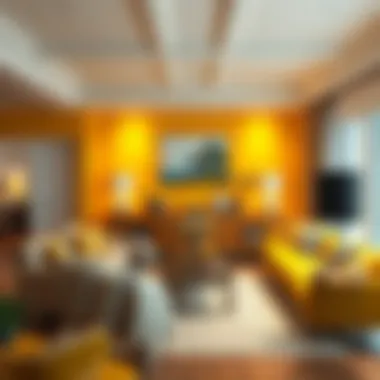
Warm colors, like red, orange, and yellow, bring a sense of energy and vibrancy. These shades are often associated with warmth and excitement, making them ideal for creating an inviting atmosphere. They can stimulate conversation and interaction, making them ideal choices for social spaces. The key characteristic of warm colors is their ability to create a sense of intimacy and liveliness.
Though they are beneficial for encouraging social interactions, their intensity can be overwhelming if overused. Most designers recommend using warm tones as accents to enliven a neutral base, thus striking a balance. For example, a splash of sunny yellow in pillows can enliven an otherwise calm room without taking it over.
Cool Colors for Serenity and Calmness
In contrast, cool colors like blues, greens, and purples are perfect for instilling a sense of calm and tranquility. These tones are often linked to nature, evoking feelings of peace and relaxation. In a living room, the key characteristic of cool colors is their ability to promote a serene atmosphere.
While these colors are largely positive, they can create feelings of distance if not balanced properly. It’s essential to pair cool hues with warmer elements to maintain the room's inviting nature. For instance, a gentle teal on the walls can foster relaxation, while a few warm wood elements can counterbalance that chill, ensuring a comfortable setting.
Colors and Mood Enhancement
Choosing colors goes beyond personal preference; it affects how we live and feel in our spaces.
Choosing Colors for Different Activities
Every activity has a natural color palette that fits well. For instance, vibrant, stimulating colors are ideal for creative activities, while softer shades are great for relaxation or reflection. The key characteristic here is functionality. Colors should be selected based on their intended use in the room.
When designing an area for reading or unwinding, soft blues and greens can enhance concentration and relaxation. Meanwhile, for a space designated for family gatherings, incorporating pops of red or orange can bring about enthusiasm and cheer.
Influencing Social Interactions Through Color
Your color choices can significantly shape social dynamics. Vicinities painted in welcoming shades can promote positive interactions. A lively orange or a cheerful yellow can encourage chatter and lively gatherings, while deeper shades can invoke more serious discussions.
It’s crucial to remember that the unique feature of this approach lies in carefully balancing vibrant colors with softer tones to ensure visitors feel welcomed without pressure. The right color mix sets the tone for interactions, whether they are casual, formal, or intimate.

In essence, colors play an instrumental role in shaping the moods and emotional responses of individuals. Understanding these principles allows you to curate spaces that resonate deeply and make a lasting impact.
Current Color Trends in Living Rooms
In the realm of interior design, the colors we select for our living rooms do more than just adorn our walls; they shape the very atmosphere of our homes. This section delves into current color trends that breathe life into living spaces, blending aesthetics with functionality. The significance of these trends lies in their ability to enhance not only the visual appeal of a room but also its emotional impact. By understanding these trends, homeowners can foster environments that reflect their personalities and cater to their lifestyle needs.
Neutral Tones: Timeless Elegance
Shades of Gray: Versatility in Decor
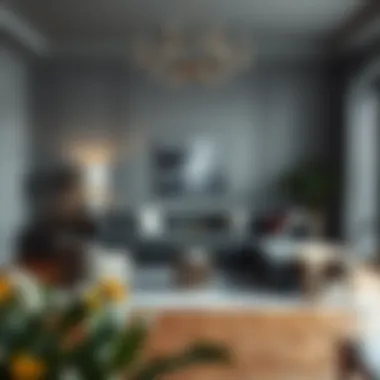
Shades of gray hold a unique position in the palette of living rooms. Their versatility allows them to complement a myriad of styles, from ultra-modern to more traditional aesthetics. A key characteristic of gray is its ability to act as a blank canvas, enabling homeowners to experiment with decor. This color choice exudes sophistication without overpowering the senses. While lighter grays can lighten a space, darker shades offer depth and a touch of drama. However, the main advantage of using gray is its adaptability; it pairs seamlessly with vibrant hues or other neutrals.
"Gray is a color that has the power to bring any room together, allowing accents to shine."
On the downside, overuse of gray can lead to a monotonous feel if not balanced with lively colors or eclectic design choices.
Beige and Taupe: The Subtle Sophistication
Shifting to beige and taupe, these colors embody a subtle sophistication that can elevate any living space. Their warmth fosters a welcoming atmosphere, creating a sense of comfort. Beige serves as a delicate backdrop that encourages the interplay of complementary colors through decorations and furnishings. Taupe, with its additional earthy undertones, can offer a more robust aesthetic. Both shades tend to soften a room, promoting tranquility and ease. A distinctive feature of beige and taupe is their ability to harmonize with natural elements, like wood and stone, accentuating organic beauty.
Yet, there’s a caution: too much beige can fall flat and lack excitement, potentially creating a space that feels bland. Therefore, incorporating diverse textures or vibrant accents can enliven the space.
Bold Colors Making a Statement
Deep Blues: Calm Within Chaos
Deep blues evoke a sense of calm amidst the storm, making it an excellent choice for a living room aiming for serenity. This rich hue is associated with the depths of the ocean and the vastness of the sky, inspiring relaxed feelings. Utilizing deep blue can create a dramatic focal point, especially on a feature wall or through furniture and accessories.
One major advantage of deep blue is its ability to pair with other assertive colors like golden yellows or crisp whites, providing excellent contrast and depth. However, if one aims to utilize blue extensively, careful consideration of lighting is necessary, as darker shades can sometimes make a space feel smaller or more closed off.
Rich Greens: Bringing Nature Indoors
Rich greens have surged in popularity as a means of infusing indoor spaces with the essence of nature. The color symbolizes renewal and growth, creating a sense of vitality within the home. By painting the walls or incorporating lush greenery through plants, a living room can transition into a rejuvenating sanctuary. Green’s versatility lends itself to various themes, from rustic to modern chic.
The unique feature of rich green is its ability to blend effortlessly with both natural wood tones and other vibrant colors, creating a balanced yet invigorating aesthetic. Yet, too much deep green without variety can be overpowering, so pairing it with softer, lighter shades is often recommended for balance.
Pastels and Soft Hues: Gentle Warmth
Pale Pink: Subtle Luxury
Pale pink embodies elegance while infusing spaces with a gentle touch. This soft hue offers a sense of intimacy and comfort, making it an appealing choice for living rooms designed for relaxation. Pale pink's characteristic lightness can brighten up a room without overwhelming it. When used as a central color, it invites creative accents like gold or silver, fostering a sense of luxury. However, it’s wise to note that too much pink can detract from a more mature theme, potentially alienating some audiences.
Soft Yellow: Brightening Spaces
Soft yellow acts as a ray of sunshine in any living room, instantly creating warmth and brightness. Its cheerful nature can uplift spirits, making it an ideal choice for spaces dedicated to social interaction. A significant aspect of soft yellow’s charm is its versatility; it can stand alone or harmonize beautifully with deeper tones, such as navy or gray. Still, caution should be taken as overly bright shades of yellow might energize a room too much, potentially making some feel anxious or frenetic.
In summary, current color trends offer a spectrum of choices, from the neutral elegance of beige to the invigorating richness of deep blues and greens. By thoughtfully selecting colors that resonate both emotionally and aesthetically, one can forge living spaces that are truly reflective of individual style.
Functions of Color in Interior Design
The role of color in interior design extends far beyond mere aesthetics; it is a crucial component that shapes the atmosphere and functionality of a space. Understanding how colors work in different contexts can significantly enhance the appeal of living rooms. Factors such as light, room size, and existing furniture create a dynamic backdrop for color choices. Thus, employing color effectively can lead to spatial harmony, psychological comfort, and an overall inviting environment. Those in high-end interior design need to grasp these nuances to curate exceptional living spaces.
Creating Zones in Open Layouts
Color can be harnessed to delineate different areas within an open layout, making it one of the most strategic tools in modern design.
Color Blocking for Visual Separation
Color blocking involves using blocks of differing colors to create boundaries or visual breaks within large or open spaces. This technique highlights distinct zones—like a conversation area versus a dining space—without erecting solid barriers. A key characteristic of color blocking is its ability to provide spatial definition without leading to visual clutter.
Benefits of color blocking include:
- Flexibility: Choose any color scheme that resonates with the homeowner's personality.
- Enhanced Focus: Specific colors can encourage attention on designated areas, ideal for multi-functional spaces.
However, it's important to focus on balance. Too many contrasting colors can create dissonance rather than cohesiveness if not thoughtfully applied.
Harmonizing Colors Across Spaces
While creating zones, the ability to harmonize colors is vital to maintain fluidity throughout the interior. This process involves carefully coordinating palettes so that multiple colors relate to one another, promoting a sense of unity across spaces. A key characteristic of harmonization is that it nurtures a tranquil ambiance.
Key aspects of harmonizing colors are:
- Cohesion: Colors should complement rather than clash, making transitions smoother across different areas.
- Mood Setting: A well-thought-out color scheme can evoke a desired emotional response, aligning with the intended purpose of each zone.
Yet, finding the right balance can be tricky. Too much uniformity may stifle personality, while excessive variance might lead to visual chaos. Striking the right chord often requires deeper exploration of color theory and the specifics of each unique space.
Enhancing Design Elements with Color


Beyond creating zones, color plays a significant role in enhancing design elements, weaving them seamlessly into the overall aesthetic.
Integrating Color with Furniture Choices
The furniture selected for a living room is not just practical; it’s a canvas where color choices can shine. Integrating colors from upholstery, rugs, and other furniture elements can either create a strong focal point or unify a diverse color palette. A key characteristic of this integration is its celebratory nature; it can highlight textures and shapes.
Advantages of integrating color with furniture include:
- Match Principle: Harmony arises when furniture colors reflect or complement wall hues and vice versa.
- Layering Effect: Introducing various shades and tones leads to visual depth, making spaces inviting and interesting.
However, mismatched furniture colors can dilute an otherwise cohesive aesthetic and lend a disjointed feel. Careful curation can mitigate this issue, transforming a simple living room into an intentional sanctuary.
Effect of Accessories on Overall Aesthetic
Small accessories, like cushions, artwork, and ornamental pieces, carry a considerable weight in shaping the overall aesthetic. These items can punctuate the color story of a room with flair and character. The beauty of accessories lies in their versatility and the opportunity to experiment without permanent decisions.
Important characteristics of accessory color choices include:
- Pop of Color: Accessories can introduce unexpected color bursts, which enliven a room and make it visually engaging.
- Narrative and Theme: Colorful accessories can tell a story about the homeowner's lifestyle and preferences, allowing for personal expression.
Nevertheless, the danger of over-accessorizing can lead to clutter and confusion, overshadowing the intended ambiance. A judicious approach—much like seasoning a fine dish—is crucial. Balancing functionality with aesthetic appeal enables a sophisticated and harmonious living space without looking forced.
Choosing the Right Color for Your Living Room
Selecting the appropriate color for your living room is more than just a matter of personal preference; it’s an essential element that shapes the overall ambiance and function of the space. The living room often serves as the heart of the home, a gathering place for family and friends. Therefore, the color you choose must resonate with your lifestyle and personality while catering to practical considerations. Understanding how different colors interact with lighting, room size, and overall design goals is crucial. A well-thought-out palette can enhance aesthetic appeal, affect moods, and even improve the functionality of the space.
Assessing Lighting Conditions
Natural Light vs. Artificial Lighting
Natural light has a way of transforming any room. It brings a vibrancy that artificial lighting often fails to replicate. When considering colors for your living room, paying attention to how natural light interacts with different shades is paramount. For instance, a bright shade of white or soft beige can look inviting and warm in the daylight, creating a cheerful atmosphere. Conversely, under artificial lights, the same hues might appear flat or dull, especially if the light is on the warmer or cooler spectrum.
A unique feature of natural light is its ability to change throughout the day; morning light has a different quality compared to the golden hour at sunset. This dynamic character means that your living room colors may need to be versatile to adapt based on the time. In essence, while natural light can highlight beautiful textures and intricate patterns, its effect on color can also influence your choices based on how you use the room at different times.
How Different Lighting Affects Color Perception
Artificial lighting, on the other hand, plays a significant role in how colors are perceived. Incandescent bulbs warm up a space, often complementing earthy tones beautifully but can skew cooler colors to look less appealing. LED lights, although energy-efficient and long-lasting, come in various color temperatures, affecting how colors appear in the room. For example, cooler white LEDs can make your living room’s pastel blues appear more vibrant but can wash out warmer colors.
Designers insist that understanding these dynamics can’t be overlooked. For a high-end finish, it’s wise to test paint samples under different lighting conditions. Leaving swatches on the wall for a few days can reveal the true nature of the color, allowing for more informed decisions. Utilizing tools like apps to visualize various lighting conditions and their effects on your chosen palettes can be invaluable, especially for a luxury setting.
Considering Space Size and Shape
Light Colors for Small Spaces
In smaller living rooms, it’s often opportune to opt for light colors. Shades like pale gray or soft white can create the illusion of a more spacious environment. They reflect light rather than absorbing it, which can help elevate the room’s overall feel. Moreover, these lighter tones serve as a blank canvas, allowing for eclectic decor elements to shine. A touch of color in the form of artwork, cushions, or decorative pieces can bring warmth without overwhelming the space.
Utilizing light colors is popular not just because of aesthetics; it psychologically expands perception. The openness fostered by lighter shades can evoke feelings of serenity and ease, making them advantageous for small living areas intended for relaxation or social interaction.
Darker Hues in Larger Rooms
When it comes to larger living rooms, darker hues can make a bold statement. Deep navy, rich charcoal, or even forest green can offer a sense of coziness and sophistication. While lighter colors could render a vast room stark and impersonal, darker tones add depth and invite warmth, creating a snug atmosphere that contrasts beautifully against the backdrop of spaciousness.
A unique feature of using darker shades in expansive areas is their tendency to create intimate zones within a larger space. With the right contrast from lighter decor pieces, textiles, or furniture, one can achieve a striking balance. It’s akin to wrapping the room in a warm embrace, making it a welcoming environment more conducive to intimate gatherings.
"In the realm of interior design, color isn’t merely decoration; it's an experience that impacts interaction.”
Ultimately, selecting the right colors is about more than choosing shades; it is a thoughtful process of aligning your living space's practical and aesthetic elements to create an inviting and functional environment.
Combining Colors Effectively
The art of combining colors is not merely an exercise in aesthetics; it serves as a vital component in transforming living spaces into cohesive environments. When executed correctly, it can evoke a certain mood, create visual interest, and enhance the overall design integrity of a living room. Knowing how to mix colors effectively allows for a more dynamic appearance and can articulate a personal narrative, capturing the essence of style and taste.
Color Theory Basics
Understanding the Color Wheel
At the heart of color theory lies the color wheel, a circular illustration of colors arranged in a spectrum. It acts as a foundational tool in understanding how colors interact—like friends at a gathering, some colors harmonize well, while others may clash. The distinct placement of colors on the wheel—primary, secondary, and tertiary—helps designers recognize relationships. For example, colors opposite each other, like red and green, are labeled complementary and can create striking contrasts.
The key characteristic of the color wheel is its ability to simplify the complex task of color selection. By using it, one can swiftly identify which colors pair well together. This tool, thus, serves as a beneficial reference for interior designers and homeowners alike. However, be cautious of over-simplifying, as personal taste still plays a fundamental role. Adhering strictly to the wheel may sometimes overlook the unique nuances of a space or the emotional reactions of its occupants.
Complementary and Analogous Colors
Complementary colors, as mentioned, are those that sit opposite each other on the color wheel. This juxtaposition creates a vivid dynamic, catching the eye and drawing attention to specific areas within a living space. On the contrary, analogous colors—those that are adjacent to each other on the wheel—foster a sense of harmony and ease, making them a popular choice for serene and understated designs.
With their distinct characteristics, both complementary and analogous colors have their place in interior design. Complementary colors tend to provide a dynamic and energetic atmosphere, ideal in spaces meant for social gatherings. Meanwhile, analogous colors are often favored for creating a subtle and calming ambiance. That said, the challenge lies in striking the right balance; too much of one can overwhelm, whereas too little can make a space feel stagnant.
Creating Depth with Layered Colors
Layers can unlock a new dimension in color application. By utilizing various shades of the same color, a designer can instill depth and complexity into a space. This technique lifts a room from a flat visual to one that invites exploration and intrigue. The beauty of using different shades is that it offers a unique interplay of light and shadow without overwhelming the senses.
Using Different Shades of the Same Color
When employing different shades, one taps into the versatility within a single hue. For example, pairing a deep navy with soft sky-blue accents can elicit a profound sense of serenity while maintaining an understated elegance. This method also allows for greater flexibility in textures and fabrics, making it adaptable to various themes.
Using shades successfully can lead to a refined and sophisticated atmosphere. Nevertheless, it might require careful planning, as all shades must cohesively work together. That said, integrating textures like a matte wall with glossy cushions enhances the layered effect, adding to the overall appeal.
Accent Walls: Focal Points in Design
Accent walls have emerged as focal points, breathing life and personality into a room. By choosing a bold color for one wall, the rest of the space can be softened, allowing the accent to stand out. It’s an effective method to express individuality without overwhelming the environment.
An accent wall often acts as an anchor for the room’s design. Whether it’s a deep emerald green in a room filled with warm whites or a dramatic charcoal against light beige—each choice influences the ambiance in profound ways. It can become a conversation starter, an artwork on its own.
While accent walls offer a chance to unleash creativity, they must be approached with care. Incorrect color choices or overly bold hues run the risk of causing visual chaos rather than clarity. Thus, it’s essential to consider the lighting and how the wall color interacts with other elements in the room.
To sum up, mastering the art of combining colors effectively accentuates the visual appeal and depth of living spaces, fostering environments that are not only beautiful but also harmonious. Design, after all, isn't just about aesthetics; it’s about creating a narrative that resonates with the occupants.
Maintenance and Longevity of Colors
Maintaining vibrant colors in your living room is crucial, not just for visual appeal but also for the ambiance of the space. When colors are properly cared for, they can invigorate an area, making it feel fresh and alive. Ignoring this maintenance can lead to a dull environment, where colors fade and lose their charm, hampering the overall aesthetic experience of your home. In essence, the longevity of colors influences not just how your room looks but how you experience the space day to day.
Choosing Durable Paints
Understanding Finishes: Matte versus Glossy
In this segment, let's dive into the finishes and how they affect color longevity. Matte finishes offer a sophisticated, non-reflective quality. They hide imperfections well, making them a popular choice for living rooms where walls may not be perfectly smooth. This subtlety can enhance a warm atmosphere, ideal for peaceful gatherings.
On the other hand, glossy finishes can sparkle in the light, creating a vibrant appearance. They are easier to clean, which can be a huge plus in homes with children or pets. However, they may accentuate flaws in wall surfaces. Every finish has its pros and cons, and selecting one hinges on your personal style and practical needs.
Overall, glossy paints might be a favorite for those wanting durability in high-traffic areas, while matte finishes create that understated elegance sought by many.
Selecting Colors that Withstand Time
Now, let's talk about the specific hues that age gracefully. Choosing colors that withstand time requires consideration of both trends and timelessness. Some shades simply fade out of vogue, while others linger on, giving your living room a classic feel.
Earth tones, for instance, are known to be enduring. Shades like terracotta, olive green, or mustard yellow not only capture nature's essence but also tend to hide dirt and stains better than lighter colors.
Moreover, it's critical to think about how sunlight affects your chosen colors. Bright sunlight can fade specific shades faster. Therefore, opting for colors that remain stable under UV light ensures that your living room maintains its aesthetic appeal over the years.
Maintaining Color Brightness and Cleanliness
After you’ve chosen your colors wisely, the next step is to keep them looking fresh. Maintenance plays a pivotal role here.
Regular Cleaning Routines
Establishing regular cleaning routines is a basic yet essential aspect of maintaining the vibrancy of your living room colors. Even the most durable paints can become dull if dust and dirt accumulate. Dusting the surfaces frequently prevents buildups, and regular washing with proper cleaning solutions can help keep those colors popping.
This habit avoids the need for frequent deep cleaning, which can damage the paint over time. It's a win-win situation; a little diligence goes a long way in ensuring that the colors stay bright and inviting.
Dealing with Fading and Stains
Fading and stains can often spell trouble for well-picked colors. The key characteristic of dealing with this issue lies in early intervention. Addressing stains promptly is crucial; the longer they sit, the harder they are to clean.
To combat fading, consider using UV-blocking window treatments. These additions not only protect your fabrics but also contribute to a more aesthetically pleasing environment. Regular upkeep will not only preserve the beauty of your paint but also extend its life, contributing significantly to the comfort of your living area.
Cultural Influences on Color Choices
The role of culture in shaping our preferences for living room colors is significant, often overlooked in mainstream discussions. Cultural influences extend beyond aesthetic choices; they encompass a myriad of emotional and psychological factors. This segment delves into the complex tapestry of regional preferences, seasonal trends, and the historical background of color choices, providing insights that can guide individuals in making informed selections for their living spaces.
Regional Color Preferences
Colors Symbolizing Certain Cultures
Colors have meanings that resonate deeply within distinct cultures. For example, in many Eastern cultures, red symbolizes luck and prosperity, making it a favored choice for spaces where gatherings occur. Similarly, in some African cultures, colors like indigo can signify the rich heritage and connection to history.
This symbolism not only enriches the aesthetic appeal but also creates a sense of belonging and identity within the space. Such culturally loaded hues can transform a room, not just through their visual attributes but by evoking shared traditions and histories that resonate with the inhabitants. However, understanding these associations is vital, as misinterpretation can inadvertently lead to discomfort or conflict, making cultural sensitivity crucial in design.
Seasonal Influences on Color Trends
The cyclical nature of the seasons also leaves an indelible mark on color preferences. Spring often brings soft pastels like mint green and rosy pinks, reflecting new life and renewal. In contrast, colder months might usher in deeper, more muted tones such as navy and burgundy, evoking warmth and coziness.
These seasonal influences not only dictate what might be trending but also how individuals feel connected to their environment. By changing colors with the seasons, homeowners can create a dynamic living room atmosphere that feels alive and responsive to the world outside. One potential drawback, however, is that frequent changes in color can become overwhelming or costly if one aims for complete renovations each season. But when approached mindfully, seasonal color shifts can be a vital part of maintaining a harmonious home.
Historical Context of Color Usage
Evolution of Color Trends Over Decades
Observing color trends over the decades reveals a fascinating evolution driven by societal shifts and technological advancements. For instance, the 1960s saw vibrant colors like avocado green and mustard yellow emerging alongside a cultural revolution, while the minimalist trends of the 1990s favored lighter, neutral tones, reflecting a desire for simplicity and peace after turbulent times.
This historical context not only informs the present but offers a mirror to what society values at any given time. A deep understanding of these shifts can guide individuals toward more timeless choices that resonate not just with current trends, but with their personal narratives, thus enriching their living spaces with deeper meaning.
Influential Designers and Their Color Strategies
Throughout design history, notable figures have left a legacy on how color is perceived and utilized. Think of the bold palette of Giorgio Armani’s interiors or the understated elegance of neutral tones championed by Ralph Lauren. These designers not only understood the potential of color but also how their choices could evoke specific emotions or set particular moods within a room.
Their strategies often considered not just aesthetics but also cultural and historical significance, demonstrating that color selection is as much an intellectual exercise as it is a creative endeavor. By exploring the philosophies of these designers, individuals can glean insights that inform their own choices, allowing them to craft spaces that are not only beautiful but also culturally informed and contextually relevant.
"Colors are the smiles of nature; they illuminate our surroundings and often tell stories of who we are."
For further reading on cultural colors, consider exploring resources from Britannica, which provides insights into regional preferences and meanings.