Trending Paint Colours for Sophisticated Interiors
Intro
When it comes to transforming your living spaces, few elements play as vital a role as paint on the interior walls. The colour palette you choose can dramatically shift the aura of a room, influencing not only how it looks but also how it feels. A carefully curated colour scheme embeds itself in the essence of your environment, fostering emotions ranging from tranquility to creativity, and even inspiring sophistication and luxury.
Popular Interior Paint Colours
Here, we'll delve into some of the most popular choices that grace interior walls, exploring their characteristics and implications.
Neutral Shades
Neutral colours, such as soft whites, beiges, and grays, serve as a blank canvas for many designers and homeowners. They have the remarkable capability of making spaces feel larger and more open.
- Soft Whites create an airy feel and reflect light beautifully, adding warmth to any room.
- Beiges introduce a sense of stability; they can evoke comfort while still maintaining a contemporary vibe.
- Grays range from cool to warm tones, making them incredibly versatile. They can be paired with bolder accents to create a chic environment or layered with other neutrals for a subtle, layered look.
Bold Accent Colours
When it’s time to take a plunge into the deep end, bold colours can be your best friends. A deep navy blue, rich emerald green, or striking accent red can serve as focal points that command attention and spark conversation.
- Navy Blue can convey richness and is ideal in spaces where you seek to establish authority, like a study or library.
- Emerald Green might remind you of lush landscapes; it invites nature’s tranquility indoors, perfect for bedrooms.
- Accent Reds narrate warmth and energy, great for spaces meant for gatherings, such as dining rooms or living areas.
Earthy Tones
Earthy colours bring the outdoors in, celebrating natural elements that enhance your connection with nature. Colours like terracotta, olive greens, or muted browns can ground your spaces, nurturing a sense of peace.
- Terracotta evokes warmth and can act as an especially inviting backdrop for dining rooms, fostering connection among guests.
- Olive Greens infuse spaces with freshness while ensuring they remain sophisticated and calming. This tone is splendid for personal spaces, like home offices or reading nooks.
Pastel Hues
Pastels have made a resurgence. They bring softness and subtlety without being overwhelming, making them ideal for statement walls or entire rooms alike. They can beautifully open up small spaces, leading to an impression of greater depth and dimension.
- Soft Pink often exudes a sense of warmth, making spaces feel welcoming and enticing.
- Powder Blue resembles bright skies or shallow seas, introducing an airy freshness that works wonderfully in bathrooms or children’s rooms.
"The right colour transforms a mere wall into a statement, influencing the entire room’s personality."
The End
Prelims to Interior Paint Colours
Choosing the right paint colour for your interior walls can seem like a walk in the park. However, delve deeper, and you’ll understand it’s akin to an art, where emotions and psychology play vital roles. Paint colours are not just about aesthetics; they dictate mood, set the tone, and influence functionality within a space. Instead of merely decorating, the colour transforms your environment into a personal narrative, narrating stories of who you are.
When embarking on a room revamp, first consider how you want the space to feel. Does your living room require an air of serenity or vibrancy? Should your kitchen exude warmth as you gather with family? Each room serves a different purpose, and the hues you select can either amplify or detract from that intention. You wouldn’t dress a tuxedo for a casual picnic, and similarly, your wall colours should harmonize with the function and vibe of the room.
It's imperative to note the significance of lighting as well. Natural sunlight versus artificial lighting can reveal very different shades of the same paint. Therefore, consider testing samples on the wall, allowing them to be bathed in various lights over a day or two. A colour you initially adored under the showroom's fluorescent lights might turn dreary during the evening.
Moreover, the psychological dimensions of colour often go unnoticed. Warm colours like reds and yellows stimulate energy and conversation, while cool colours such as blues and greens promote calmness and relaxation. For spaces designed for work or focus, such as a home office, a well-thought-out palette is crucial in cultivating productivity.
Additionally, take into account current interior design trends. Staying abreast with popular choices can inspire you as you decide how best to reflect your personal taste through colour. Utilizing hues rooted in nature could tie your home to a serene outdoor connection. Contrarily, embracing bold, dark tones can evoke drama and a sense of luxury that captivates the senses.\n Choosing interior paint colours is ultimately part science, part art. You are called to serve not just your preference but to create environments that resonate on multiple levels—emotionally, psychologically, and visually. One last point worth noting is that quality matters. Opt for high-quality paints that ensure longevity and vibrant shades throughout the years.
To sum it up, understanding interior paint colours transcends mere application on walls. It’s a thoughtful decision-making journey, bringing together practicality, aesthetics, and emotional responses to craft spaces that truly feel like home.
The Importance of Colour in Interior Design
Colour is more than just a visual experience; it is a powerful tool that influences our emotions, behavior, and overall perception of space. In the realm of interior design, choosing the right colours is crucial for creating environments that resonate with their intended purpose. From serene bedrooms to vibrant dining areas, colours serve to enhance functionality and set the mood across various rooms.
When one considers how pivotal colour is, it becomes clear that each hue carries its own psychological weight. This ranges from calming blues that can evoke a sense of tranquility to fiery reds that can ignite energy and passion. Therefore, selecting a paint colour is not merely an aesthetic choice, but a decision that can affect the occupants' experience in profound ways.
Moreover, our surroundings are constantly talking to us through the colours that envelop them. It’s like a silent conversation that can soothe, inspire, or even agitate depending on the palette chosen. Some colours have the capacity to open up tight spaces visually, while others can create cozy nooks. Thoughtful colour choices ensure that the space not only looks good but feels right too.
Besides emotional and psychological implications, colour can also reflect personal style and values. For instance, opting for environmentally friendly, non-toxic paint sends a message about the owner's commitment to sustainability. Surrounding oneself with colours that evoke memories, feelings or aspirations can make a space feel more like home, enhancing the intimate connection people have with their environments.
To sum it up, colour in interior design is crucial because it influences mood, improves functionality, and expresses personal identity. As you delve deeper into this topic, you will discover how to strategically use colour to create luxurious and sophisticated interiors that mirror both style and intention.
Psychological Effects of Colour
Understanding the psychological effects of different colours can significantly impact how a space is perceived and experienced. For instance, research in color psychology reveals that blue can evoke feelings of calmness and serenity, making it an ideal choice for bedrooms or areas intended for relaxation. Conversely, brighter hues like yellow may exude cheerfulness and energy, hence they can be wonderfully effective in kitchens or workspaces, where creativity and focus are paramount.
A few common psychological associations are:
- Red: Passion, energy, urgency - usually ideal for spaces where social interaction takes place.
- Green: Balance, renewal, connection to nature - excellent for spaces requiring tranquility.
- Purple: Luxury, ambition, creativity - perfect for creative studios or home offices.
Utilizing these emotional responses can transform ordinary living spaces into curated experiences. The challenge lies in harmonizing these colours in such a way that resonates with the users' personal inclinations and the overall design aesthetic.
Creating Ambiance Through Colour
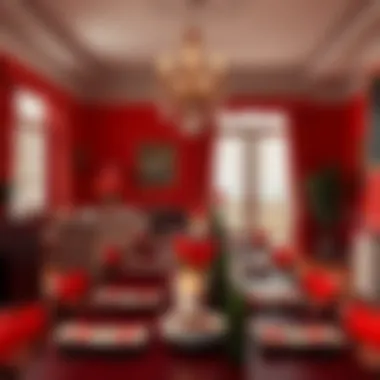
The ambiance of a room is largely dictated by its colour scheme. It’s about creating an environment that draws one in or makes one feel at ease. Adjusting shades can manipulate warmth and productivity levels, influencing everything from the effectiveness of a home office to the coziness of a living room.
In crafting an atmosphere, consider these approaches:
- Layering Tones: Using varying shades of a particular colour can create depth and interest. For example, a room painted a soft cream can be accented with deeper taupe or sandy browns to add character.
- Contrasting Hues: Introducing unexpected contrasts, like a vibrant navy against a soft pastel pink, can accentuate elements within a room and instill a dynamic ambiance.
- Lighting Considerations: Natural vs. artificial lighting can greatly change how colours appear. A shade that looks soft under daylight may appear entirely different under incandescent bulbs.
By carefully considering these aspects, one can formulate a carefully curated ambiance that reflects both style and function. Deepening the emotional connection one has with a place is what good design aims for, and colour plays a significant role in achieving this goal.
"The right colour can transform not just a space, but how we experience that space."
Current Trends in Paint Colours
In the ever-evolving landscape of interior design, paint colours serve not just as mere aesthetics but as powerful tools that can define spaces and evoke emotions. Understanding the current trends in paint colours is vital for anyone aiming to create an environment that exudes sophistication while remaining true to contemporary styles. The trends reflect our collective consciousness, shaped by global influences, cultural shifts, and preferences for sustainability and wellness. Thus, when embarking on a journey through these popular paint colours, we delve deep into elements that offer balance, comfort, and a connection to nature.
Nature-Inspired Tones
Nature-inspired tones are gaining traction, representing a shift towards organic and earthy palettes. Think of hues reminiscent of lush forests, sunlit deserts, and tranquil oceans. This approach not only infuses spaces with warmth but also mirrors humanity's innate desire to connect with the natural world in a time when urban living often disconnects us from it.
For instance, deep greens akin to pine needles or soft browns resembling rich soil can transform a living room into a serene haven. These colours have psychological benefits, offering calmness and grounding, which is much needed in today’s fast-paced environment. Incorporating these tones can create harmonious sanctuaries, be it through a statement wall or subtle accents. You might consider soft sage or terracotta, which complement various decor styles while promoting a sense of well-being.
Bold and Dark Shades
Conversely, bold and dark shades are making waves, reflecting a desire for individuality amid a sea of pastel trends. The richness of deep blues, dramatic blacks, and intense burgundies invites drama and sophistication into interiors. These hues command attention and create a striking backdrop that can illuminate other design elements.
Spaces adorned with these colours exude confidence. A bold navy in a dining area or a dramatic black in a home office can stimulate creativity and focus. While some may shy away from dark paint, the right balance of light through fixtures and furniture can prevent these spaces from feeling confined. The growing popularity of moody palettes also aligns with the trend of maximalism, encouraging homeowners to express themselves with confidence and creativity.
Soft Pastels
On the other end of the spectrum, soft pastels hold a special place in current trends. Their gentle, soothing qualities align flawlessly with designs aimed at creating a sense of tranquility. Light pinks, subdued blues, and soft lavenders can envelop spaces in a comforting embrace, making them ideal for bedrooms and relaxation areas. These colours encourage serenity, appealing particularly to those craving refuge in their homes.
Moreover, pastels can subtly enhance the perception of space, making rooms appear larger and airier. They work harmoniously with natural light, transforming in response to the time of day, thus creating dynamic environments that vary from serene mornings to vibrant afternoons. For a more luxurious touch, consider using pastel tones in conjunction with metallic accents, adding a layer of elegance and sophistication.
"In design, as in nature, there’s a balance. The secret lies in knowing when to push boundaries and when to embrace simplicity."
Popular Neutral Colour Palette
Neutral colours are the unsung heroes in interior design, often serving as the backdrop against which other elements sing. These hues offer versatility, elegance, and a sense of calm that can turn any room into a serene oasis or a refined space for entertaining. Whether you're a luxury travel curator or a high-end interior designer, knowing how to expertly utilize a neutral colour palette is paramount for creating harmonious living environments.
Warm Neutrals
Warm neutrals embody the inviting tones that make any space feel welcoming. Think shades of beige, taupe, and creamy white that can enhance the warmth in a room. These hues work wonders in areas where comfort is key, like living rooms or bedrooms. For instance, a soft beige can make a small living room look expansive while simultaneously exuding a cozy, inviting atmosphere. Incorporating warm neutrals can be beneficial because they blend seamlessly with a variety of styles, from rustic chic to modern minimalism.
Some specific warm neutral shades to consider include:
- Soft Sand: A light, sandy beige that brightens up spaces without overwhelming them.
- Warm Taupe: This colour can add a sophisticated touch, especially when paired with rich accent colours.
- Creamy White: Great for ceilings and trim, this soft shade enhances natural light while keeping the space airy.
Cool Neutrals
On the flip side, cool neutrals like grey, soft blue, and icy white provide a more serene and calming effect. They work wonders in spaces where clarity and focus are essential, such as home offices or kitchens. Cool neutrals evoke a sense of tranquility, which can be particularly appealing in urban residences where a peaceful retreat is desired. A gentle slate grey can bring depth to a room without taking over the design.
Consider these cool neutral options for your next project:
- Pale Grey: A versatile hue that can create an elegant backdrop for artwork or decorations.
- Soft Blue: Adds a hint of colour while maintaining the neutrality essential for a sophisticated palette.
- Icy White: Ideal for modern designs that lean towards minimalism, it creates a sleek, clean appearance.
Greige: The Blend of Grey and Beige
Greige, that lovely blend of grey and beige, has quickly established itself as a staple in interior design. This shade balances the warmth of beige and the coolness of grey, catering to a wide array of tastes. Greige can bridge the gap between traditional and contemporary styles, making it a popular choice for those seeking adaptability in their colour choices.
Why greige? For one, it offers depth and complexity without overwhelming the senses. It can serve as a strong basis for layering decor elements, such as vibrant furniture or intricate textiles. Whether utilized on walls or large furnishings, greige envelops spaces in warmth and sophistication, creating an environment that feels both luxurious and approachable.
Some standout greige shades include:
- Rockport Grey: A darker greige that can offer depth to furnishings or accent pieces.
- Revere Pewter: A well-loved option, providing warmth and depth, making it particularly effective in family homes.
- Classic Greige: Perfect for an understated yet elegant vibe, allowing other design elements to shine.
"Choosing the right neutral colour can transform a space from drab to fab, setting the stage for your lifestyle."
Choosing the Right Colour for Each Room
Choosing the right colour for each room is more than just picking a hue from a paint swatch. It’s about creating an atmosphere that reflects the personality of the homeowner, establishes function in a space, and influences the overall mood. Every room in a house has its unique purpose and should convey that through its colour.
When selecting colours, one must consider the mood they wish to evoke. For example, vibrant reds might incite energy in a family room, while soothing blues can promote relaxation in bedrooms.
Living Room Colour Ideas
The living room is often the heart of a home, where family gathers and guests are entertained. To create an inviting space, consider colours that balance warmth and elegance. Shades like soft beige or taupe can provide a neutral backdrop, allowing décor pieces to stand out.
On the other hand, if you prefer a bolder statement, deep navy or emerald green can create a stunning focal point without overwhelming the senses. Not too far out of the box, incorporating an accent wall in a daring shade like burnt orange or cobalt blue can give the space character.
- Key Living Room Colours:
- Beige for warmth and neutrality.
- Deep navy for sophistication.
- Soft pastels for a modern twist.
Bedroom Colour Selections
When it comes to bedrooms, think about colours that invite calm and serenity. Cool blues and gentle greens tend to soothe, creating a peaceful sanctuary away from the chaos of daily life. Soft grey hues can be a perfect backdrop for a variety of bedding styles.
For those who wish for a touch more vibrancy, a muted lavender or romantic blush can provide a refreshingly soft energy without being too overstimulating. Darkness, like a muted charcoal or deep indigo, can also instill coziness, making it perfect for winding down at the day’s end.
- Popular Bedroom Hues:
- Light blue for tranquillity.
- Soft grey for versatility.
- Lavender for a gentle pop of colour.
Kitchen and Dining Space Colours
Kitchens and dining areas often require a blend of functionality and warmth. Here, lively colors might stimulate appetite and conversation. Yellows and soft greens can create a sunny, cheerful atmosphere.
Consider matte finishes for a more subdued and sophisticated look, while glossy finishes reflect light, enhancing the space’s openness.
- Best Colours for Kitchens:
- Warm yellow to brighten the room.
- Forest green for a natural touch.
- Crisp white for timeless elegance.
Bathroom Colour Choices
In bathrooms, the goal is to create a spa-like feeling, encouraging relaxation. Soft aqua and muted teal bring a refreshing vibe, while pale creams and whites exude cleanliness. Consider adding tiles or stone finishes to create depth and visual interest.
In smaller spaces, lighter colours can make the area feel larger and more open, while a dark, moody tone might create a cocoon-like effect that adds drama.
- Bathroom Colour Essentials:
- Light aqua for a cool feel.
- Soft cream for elegance.
- Charcoal for a bold statement.
In summary, mood, function, and light play crucial roles in choosing the right colours for each room. The goal is create spaces that resonate with comfort and style, allowing individuals to feel at home, whether they’re entertaining or seeking solace.
Experimenting with Accent Walls
In the realm of interior design, accent walls serve not merely as decor but as a bold statement that can redefine the character of a room. They allow homeowners to explore creativity and express individuality without overwhelming the entire space. Use of accent walls is much like placing a cherry on top of a beautifully crafted cake; it highlights the design while adding a splash of flavor.
Choosing an accent wall provides an opportunity to introduce a striking color or texture to an otherwise calm and neutral environment. This method is particularly advantageous in luxury settings where creating an atmosphere of sophistication is paramount. An accent wall can set a dramatic tone while showcasing artwork or architectural details, drawing the eye and creating a focal point.
When considering an accent wall, think carefully about the room's layout and existing colors. The hue of the accent wall should complement, rather than clash with, the adjoining walls and decor. For instance, if a living room features soft creams and browns, a deep teal or rich burgundy could create a vibrant contrast that enhances the sophistication of the space without diverting attention from the overall aesthetic.
Additionally, accent walls offer practicality as well. They can be a strategic choice in small spaces, where creating depth and visual interest is key. By painting one wall a darker or bolder color, a room can appear larger and more dynamic, effectively breaking the monotony that often plagues confined areas.
Selecting Bold Colours for Accents
A bold accent color can inject energy into a room, serving as both a design choice and a conversation starter. The selection of colors should reflect personal taste but also align with the intended mood of the space.
- Daring Jewel Tones: Shades like emerald green, sapphire blue, or amethyst purple can instill a sense of luxury and opulence. These colors bring depth and sophistication, particularly when paired with metallics or rich fabrics.
- Vivid Primaries: Red, yellow, or blue can create a playful atmosphere. These shades work well in casual or creative spaces, such as playrooms or studios, where stimulation and inspiration are desired.
- Dark and Moody: Charcoal, navy, or forest green can impart a sense of elegance and intimacy. Using these on an accent wall in a bedroom, for instance, can create a cozy retreat.
While selecting, it’s essential to test paint samples in various lighting throughout the day to see how the color transforms under different conditions. This approach minimizes surprises and ensures that the chosen hue contributes positively to the intended ambiance.
Patterns and Textures in Accent Walls
Incorporating patterns and textures onto accent walls elevates the visual experience, marrying color with tactile appeal. This technique is an effective way to express personal style and enhance the room’s character.
- Geometric Designs: Patterns featuring sharp lines and shapes can offer a modern twist, making a statement that’s both fun and chic. Whether it's a simple striped design or complex chevrons, geometric patterns can add structure to otherwise soft spaces.
- Natural Materials: Wood paneling, stone, or brick can evoke a warm, rustic feel. Using reclaimed wood or a faux brick finish not only brings character but also tells a story within the decor, connecting the space to nature or history.
- Textured Finishes: Techniques such as sponge painting or stenciling can further enhance the depth of the wall. By playing with different textures, one can create an inviting atmosphere that invites touch and exploration.
Choosing the right accents is a delicate dance – they must harmonize with other elements while standing out in their unique ways. It’s about knowing the fine line between subtlety and loudness, ensuring your accent wall captivates without overwhelming.
"An accent wall should be like the perfect accessory: it enhances your main look without overshadowing it."
Experimenting with accent walls opens up a world of possibilities in interior design, enabling the manifestation of creativity while ensuring a specific tone and character are reflected in every chosen space. Whether it’s through a bold color, an intricate pattern, or a tactile finish, an accent wall can transform and elevate a home’s ambiance.
The Role of Lighting in Colour Perception
Understanding the role of lighting in how we perceive colours is essential for anyone involved in interior design or those looking to enhance their personal spaces. Lighting can transform the same paint colour completely, making it appear warmer or cooler, lighter or darker. Hence, it's critical to consider the type and source of lighting when selecting hues for interior walls. This section will delve into the interplay between paint colours and light, highlighting important considerations to create the right ambiance and aesthetic in any setting.
Natural vs. Artificial Light Effects
When considering colours for interior walls, it’s vital to distinguish between the effects of natural and artificial light.
Natural Light Natural light is often seen as a pure determinant in the colour experience. It flows through windows, bringing all its nuances into play. Depending on the time of day, the angle of sunlight, and the season, colours can look vastly different. For instance, a soft blue hue can reflect a serene calm in morning light yet shift to a bolder, almost vibrant tone in the afternoon sun.
- Morning light tends to be cooler, which can enhance blues and greys.
- Midday light can wash out colours, making them appear less saturated.
- Evening light gives off a warmer tone, showcasing the reds and yellows in your palette.
Painting your walls a colour that interacts favorably with natural sunlight can significantly elevate the space. Think about spaces with ample windows, and how the light will dance across the walls at various times of day, creating both dimension and warmth.
Artificial Light
In contrast, artificial light brings its own set of characteristics. Different types of light bulbs—LEDs, incandescent, fluorescents—emit different spectrums of light, significantly affecting colour perception. For example:
- Incandescent bulbs emit a warm glow, which can deepen rich tones like aubergine or terracotta.
- LED lights can be stark and bright, skewing cool colours toward a silvery hue.
- Fluorescent lights may cause certain tones to seem flat or washed out altogether.
When planning your interior, think about the kind of lighting you will utilize. Perhaps an eclectic arrangement of light sources—overhead fixtures, table lamps, and sconces—would allow dynamic variations in hue and mood.
Choosing Finishes That Reflect Light
Not only does the type of light matter but also the finish of the paint. The way a wall reflects light can change its perceived colour significantly. Finishes range from flat to high-gloss, affecting how light interacts with a given hue. Here’s a breakdown:
- Flat or Matte Finishes: These absorb more light and are excellent for hiding imperfections, though they may appear dull in low light. They work well in spaces meant for relaxation, like bedrooms.
- Eggshell Finishes: Slightly more lustrous, they reflect light gently and are suitable for living areas where a more vibrant sense can be cultivated without glare.
- Satin Finishes: These finishes reflect a fair amount of light and are practical for areas prone to scratches, such as hallways.
- Semi-Gloss and High-Gloss Finishes: These are often used for accents, trim, and cabinetry. They offer a polished look but can exaggerate the colour, making it pop in bright spaces.
When selecting a paint finish, consider where it will be applied and how it will play with natural and artificial light. Sometimes, a single room will benefit from several types of finishes to create nuance and interest.
"The same colour can tell two different stories, depending on how light chooses to interpret it."
This interplay between lighting types and paint finishes is a powerful tool in interior design. Picking the right combination not only enhances aesthetic appeal but can also affect the ambiance and mood of a room significantly.
The Influence of Cultural Context on Colour Choices
When selecting paint colours for interior spaces, one must consider the profound influence of cultural context. Culture plays a pivotal role in shaping our perceptions and emotional responses to colours. This is especially true in interior design, where colour choices are often a reflection of not just personal taste but also cultural traditions and societal norms. Understanding this influence can lead to a more meaningful connection to the space, enhancing both aesthetics and functionality.
Some cultures are steeped in rural simplicity, favoring earthy hues that evoke stability and connection with nature. Others may embrace vibrant palettes that are expressive and dynamic, indicative of their rich histories and diverse identities. This notion extends beyond mere preference; it touches the very essence of a person's identity and experience in their environment.
In interior design, cultural context helps create a unique fingerprint. It allows for the blending of heritage and modernity, giving a narrative quality to the colour schemes one chooses. The ability to communicate a story through colours, invoking memories or aspirations, is a huge benefit when curating a space, especially in high-end designs where sophistication is key.
Regional Preferences for Interior Colours
Regional differences substantially shape how colours are perceived and chosen. For instance, in coastal areas, sandy beiges and cool blues are often favored to mimic the seaside environment. These colours create a soothing atmosphere that mirrors the natural landscape, ideal for homes and retreat spaces alike.
On the contrary, in mountainous or forested regions, deeper green and rich browns are seen more frequently. These colours resonate with the greenery and tranquility of nature, offering a sense of warmth and connectivity with the surroundings.
Here are some insights into regional preferences:
- Urban Areas: Bright, bold colours such as deep reds or striking yellows are popular in cities. They promote energy and excitement, reflecting the urban lifestyle.
- Suburban Homes: Soft pastels and muted tones are often the go-to for suburbs. They evoke comfort and calm, providing ideal backgrounds for family life.
- Countryside: Natural, earthy tones dominate in rural settings, echoing the landscapes and bringing a sense of peace.
This variety illustrates that colour is not just personal; it's drilled deeper into the identity of a place and its people.
Symbolism of Colours in Different Cultures
Symbolism is central to understanding the role colours play across various cultures. For instance, in some Asian cultures, red signifies good fortune and joy, making it a popular choice for homes and celebrations. In contrast, white often symbolizes mourning in these same cultures, demonstrating that the meaning of a colour isn’t universal but deeply tied to cultural narratives and beliefs.
Again, let’s explore the symbolism of certain colours globally:
- Blue: While often associated with calmness in Western cultures, in some African cultures, it might symbolize protection.
- Green: Generally linked to nature and tranquility in many parts of the world, it also represents fertility in certain Middle Eastern countries.
- Yellow: This colour represents happiness and warmth in many Western contexts; however, in parts of Latin America, it can carry connotations of jealousy.
Understanding these symbolic meanings is crucial when selecting colours for clients, especially those seeking to convey specific messages or emotions through their interior design choices. The thoughtful application of colour can reinforce cultural narratives or even challenge stereotypes, creating spaces that are both engaging and reflective of diverse identities.
Final Thoughts on Choosing Paint Colours
Selecting the right paint colors for your interior walls is not just a matter of aesthetic preference; it plays an integral role in defining the overall atmosphere of a space. Throughout this article, we've explored a variety of shades, trends, and cultural influences that underscore the significance of color in interior design. The essence of choosing paint colors lies in aligning your selections with your personal style and the functionality of each room.
Personalizing Your Space with Colour
Personalization is key in transforming a house into a home. Choosing colors that resonate with your personality can breathe life into your living spaces. For instance, if you have a penchant for tranquility, soft blues or greens could create a calming effect in your bedroom. Alternatively, if you’re a vibrant spirit who thrives on energy, bold yellows or rich reds might serve you well in communal areas.
When contemplating colours, think about how each hue makes you feel. Does a deep navy evoke a sense of serenity, or does a bright orange fill you with excitement? Understanding your emotional connection to color can guide you toward selections that not only beautify your walls but also enrich your daily life. As a tip, consider using test swatches and observe how the colors change with lighting throughout the day.
"The right colour can transform a mundane space into a reflection of who you are."
Moreover, blending colors can create unique effects that tell your story. A combination of warm and cool tones can amplify visual interest, while monochromatic schemes might evoke sophistication. Don't shy away from experimenting; sometimes the unexpected combinations yield the most compelling and personal results.
Sustainability in Colour Choices
In today's design landscape, being mindful of sustainability is increasingly essential. The advent of eco-friendly paints is revolutionizing the market, offering a plethora of options that do not compromise your aesthetic goals. Brands now offer paints with low or zero VOCs (Volatile Organic Compounds), which promote better indoor air quality while also being kind to the environment.
When selecting paints, consider:
- Ingredients: Look for paints that utilize natural pigments and fewer synthetic materials.
- Durability: Invest in quality; higher-quality paints often require fewer coats and thus reduce waste.
- Ethical Brands: Support companies that prioritize sustainable practices, such as recycled materials and eco-conscious production methods.
By choosing sustainable colours and materials, you help foster a healthier living environment and contribute to the welfare of the planet. Achieving a balance between aesthetic appeal and ecological responsibility enriches your space, making it both luxurious and conscientious.