The Alluring Power of Red Paint in Kitchen Design
Intro
When one thinks of the kitchen, the imagination often conjures up images of culinary adventures, family gatherings, and warm memories. Color has a profound influence on how we experience these moments. Among the various shades available, red stands out as a hue teeming with vivacity and warmth. This article aims to explore the unique attributes of red kitchen paint—not just in terms of aesthetics but also its psychological effects and historical context.
The Vibrancy of Red in Design
Red is a color that demands attention. It’s lively, energetic, and can spark conversations and inspirations. Designers often utilize red to make a powerful statement in spaces that bring people together, such as kitchens. But what makes red so alluring?
Historically, red pigments have been used for centuries, rooted in ancient cultures. From ochres to modern synthetic paints, the journey of red is steeped in rich narratives of creativity and expression. Its application in kitchens isn’t merely a trend; it is a homage to the past marrying effortlessly with modern creativity.
Psychological Effects of Red
From a psychological perspective, the choice of red impacts emotional responses. It is known to stimulate appetite and encourage social interaction. While a spectrum of other colors can evoke calm or tranquility, red reigns supreme for fostering an atmosphere of warmth and conviviality. The science of color theory lays the groundwork by suggesting how red, when used wisely, can accentuate design elements and create dynamic atmospheres.
"Colors can have a profound impact on mood and behavior, shaping our environments and interactions in subtle yet profound ways."
Practical Applications in Kitchen Design
Incorporating red paint in a kitchen comes down to understanding its applications and combinations. Mixing reds with softer shades like beige or cream can create a balanced aesthetic that adds depth without overwhelming the senses. Below are some engaging ideas for using red paint in the kitchen:
- Accent Walls: A single wall painted in a bold red can create a stunning focal point.
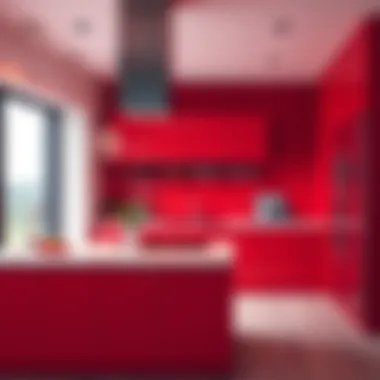
- Cabinetry: Choosing red for kitchen cabinets can revitalize outdated spaces, offering both freshness and sophistication.
- Backsplashes: Employing red tiles or painted backsplashes can infuse character and zest into the kitchen layout.
Navigating Maintenance Considerations
Despite its captivating appeal, choosing red paint requires consideration of practical upkeep. High-traffic areas, like kitchens, can suffer from wear and tear. Utilizing durable, washable paint can make maintenance easier while keeping your space gleaming.
In summary, adopting red within kitchen spaces can shift the ambiance into something impressive, reflecting both individuality and flair. Stay tuned as we continue to delve into color combinations and explore how to create stunning designs that resonate with you.
Prelude to Red Kitchen Paint
Color is a powerful element in interior design, often overlooked but fundamental in pulling a space together. When one considers the kitchen—a hub of activity—the choice of color can influence not just aesthetics, but also the atmosphere and feel of the room. This article focuses on red kitchen paint, a bold choice that can transform an ordinary kitchen into a captivating enclave. Choosing a shade of red goes beyond simply adding a pop of color; it encapsulates emotion, warmth, and vitality.
The Significance of Color in Interior Design
In the realm of interior design, color serves as the pivotal foundation upon which the rest of decor is built. Each hue communicates a unique narrative—sets a tone, evokes emotion, and can even shape behavior. For example, cooler colors like blue might promote calmness, while warmer tones such as orange and red foster energy and enthusiasm.
In kitchens, where family and friends gather, employing the right color can enhance interactions. Red, in particular, is often associated with love and passion. It’s a color that whisks you into action, often believed to stimulate appetite and conversation. Selecting the right shade of red is about more than just personal preference; it’s about understanding how it interacts with light and its psychological impact on those inhabiting the space.
Red as a Statement Color
When it comes to the kitchen, opting for red paint is akin to making a bold declaration. It’s a color choice that screams, "Look at me!" Red commands attention and can instill a sense of confidence in the overall design of a kitchen. The vibrancy of red can also serve as an outstanding backdrop for accessories and decor, allowing them to pop rather than get lost in the shuffle.
Here are a few considerations when approaching red as a statement color:
- Shade Variability: There are so many shades of red—from deep crimson to lively cherry. Each can create a vastly different atmosphere. A deep burgundy may cast a feeling of luxury while a bright, fire engine red injects energy.
- Lighting Effects: Lighting plays a crucial role in how the color is perceived. Natural light can make a red wall feel warm and welcoming, while artificial light may cast shadows that appear more aggressive or harsh.
- Highlight Features: Choosing red can highlight specific architectural features or cabinetry, emphasizing design intricacies while enhancing the overall vibe of the kitchen.
In summary, red is not just a color; it's an experience. The discussion on red kitchen paint serves multiple layers of insight, inspiring homeowners and designers alike to harness its power effectively and thoughtfully.
Historical Context of Red in Kitchens
The history of color in kitchens paints a rich tapestry of social, cultural, and personal narratives. Red, in particular, carries a robust legacy that transcends mere decoration. Understanding the historical context of red reveals its multifaceted roles in interior design, especially within the culinary domain. This color has not just adorned walls; it has imparted emotions, traditions, and even psychological effects that influence how we perceive and use these essential spaces.
Cultural Associations with Red
Throughout history, the color red has sparked strong associations in various cultures around the globe.
- Symbol of Prosperity: In many Eastern cultures, particularly in China, red is seen as a harbinger of good fortune and prosperity. This belief makes it a popular choice in homes, especially in central areas where families gather to bond and feast, such as the kitchen.
- Warmth and Comfort: Red embodies warmth, reminiscent of fire and hearth, crucial elements of traditional kitchens. It evokes feelings of comfort and safety, which is essential for a space dedicated to nourishment and connection.
- Passion and Energy: In the realm of culinary arts, red can stimulate passion—of both cooks and diners. It’s a color that promotes energy and excitement, vital for any culinary experience.
These cultural associations not only illustrate the significance of red in kitchens historically but also help homeowners and designers make informed choices that resonate with their values and the narrative they wish to project.
Evolution of Kitchen Color Trends
The journey of kitchen color trends reflects changing tastes, technological advancements, and shifting lifestyles. Where red fits into this narrative is particularly captivating.
- From Dull to Dazzling: In the early to mid-20th century, kitchens were often painted in pastel colors or muted tones, as they were considered functional spaces. However, the latter part of the century saw a shift towards bolder choices—where red emerged as a striking option.
- Modern Resurgence: The popularity of open floor plans in modern architecture has revived interest in expressive kitchen colors. Red has taken center stage as a way to create visual energy, drawing families together while coordinating with various styles—from sleek minimalist to charming rustic designs.
- Sustainability and Paint Technology: As paint technology has evolved, environmentally-friendly options have allowed vibrant colors like deep crimson or scarlet to be used without the worry of toxic fumes. This shift supports the trend of creating inviting kitchens that still adhere to principles of sustainability.
In reflecting upon these trends, one can see how red has emerged not just as a trend but as a color that represents a cultural evolution in our kitchens. The marriage of modern design with rich historical context allows for customization that can transform a conventional kitchen into a dynamic living space.
"Color acts as an electrifying unifier in kitchen spaces. Its historical weight and modern adaptability create an engaging environment for all who enter."
Psychological Effects of Red
The choice of color in a kitchen is not merely a matter of aesthetics; it dramatically influences the ambiance and emotional resonance of the space. Red, a particularly potent shade, can evoke a range of psychological responses that make it an alluring option for kitchen design. Understanding these effects can guide homeowners and designers alike in creating environments that cater to both function and mood.
Emotional Responses to Red
When you step into a kitchen adorned in red, you're not just seeing color; you're experiencing an emotional shift. Red is often associated with warmth and passion. It sparks excitement and can even enhance feelings of happiness. This connection is not just subjective; studies suggest that colors can positively impact our mood and overall well-being.
For instance, when paired with the act of cooking, red can amplify the joy of preparing meals, making the kitchen feel like a dynamic hub of life and creativity. It's like the difference between a lively dinner party and a quiet, reserved gathering; the energy shifts along with the colors present in the room. A well-placed red accent wall or cabinetry can make the space feel more inviting, encouraging gatherings and social interaction.
Moreover, red can invoke a sense of urgency. While this can be a double-edged sword, it might just cut through the lethargy of an uninspiring culinary environment. Those who advocate for the use of red suggest keeping it in moderation to prevent overwhelming the senses or eliciting anxiety, which can happen if the shade is too bold or saturated.
Impact on Appetite and Social Interaction
One of the key effects of red in a kitchen is its remarkable influence on appetite. It's a color that stimulates hunger and encourages indulgence. Think about it: many popular restaurant chains utilize red within their branding and design. The science behind this is tied to our evolutionary biology; red signals ripeness in food, making it an ideal choice to entice diners.
In social settings, kitchens serve as the heart of the home, where nourishment and connection converge. Here, employing red can foster lively conversations and interactions.
- Inviting Atmosphere: Red settings can prompt more spirited and engaging discussions.
- Mood Enhancement: As a warm color, red can lift spirits, making interactions more convivial.
- Culinary Creativity: A pop of red can spark inspiration in meal preparation and presentation.
"The impact of color goes beyond mere preference; it taps directly into our psychology, driving not just our choices but our experiences."
For the discerning designer or homeowner, recognizing the dual role of red in fostering both appetite and social connectivity can inform their choice. Using red in a strategic manner helps conjure a blend of energy and warmth, creating a kitchen environment that is not just functional but also a nurturing place for companionship.
The right shade of red, when used thoughtfully, can evoke energy, spark appetite, and create memorable occasions that invite friends and family to gather and share.
Choosing the Right Shade of Red
Selecting the right shade of red for your kitchen is akin to picking the right accessory for a gala outfit; it can elevate the entire look. The importance of this choice cannot be overstated, as hue can influence mood, flow, and overall design perception within the space. Red embodies warmth, passion, and energy but finding the exact shade that resonates with your kitchen’s personality can be a balancing act.
Considerations for Light and Space
When it comes to choosing the perfect shade, one has to consider the interplay of light and space. A shade that dazzles in bright daylight might turn dreary under artificial lights. Here are key factors to keep in mind:
- Natural Light Exposure: North-facing kitchens tend to have cooler light, which may wash out red shades. A warmer red can warm up the space, making it feel inviting.
- Room Size: In small kitchens, a bright or bold red can actually make the space feel cramped. Opting for a softer, muted red can create an illusion of more space.
- Accent Areas: Instead of painting all walls in vibrant red, consider accenting just one wall or section to maintain balance and avoid overwhelming the senses.
The science of perception plays a significant role here. It’s important to take swatches home and observe them under different lighting conditions at various times of the day. Allow your space to guide your choice, letting the light reveal how your selected shade breathes in each situation.
Harmonizing with Existing Decor
A kitchen’s decor is often a tapestry of styles, textures, and colors. Integrating red into this mix requires a discerning eye:
- Complementing Colors: Look at the existing hues within your kitchen—counters, cabinets, tiles. Red can harmonize beautifully with materials such as:
- Style Consideration: If your kitchen sports a modern theme, sharper, brighter reds can echo that aesthetic. In contrast, softer, brick reds might suit a rustic or farmhouse kitchen better.
- White: Creates a fresh, clean contrast.
- Wood Tones: Offering a rustic and inviting feel.
- Metallic Accents: Such as brass or chrome that play off red deliciously.
Ensuring that your chosen shade of red syncs with the overall decor will allow for a cohesive look that smooths transitions between spaces.
Popular Shades of Red for Kitchens
In the realm of kitchen design, certain shades of red have emerged as favorites, each carrying its unique charm and suitability:
- Cherry Red: Bright and lively; great for creating a vibrant centerpiece.
- Burgundy: A more subdued and sophisticated choice, perfect for traditional designs.
- Fire Engine Red: Instantly commands attention and can serve as a bold accent.
- Terracotta: Offers an earthy quality, wonderful for rustic and Mediterranean themes.
Choosing these shades should reflect your personal style as well as the emotional ambiance you wish to cultivate in your kitchen. Your perfect red should not just stand out—it should speak to you and resonate with the lifestyle you envision being painted throughout your space.
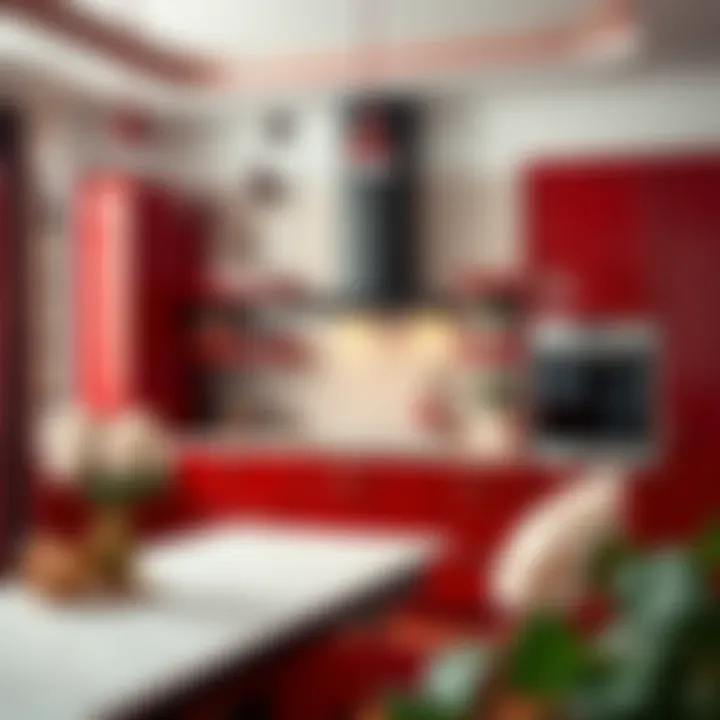
Techniques for Applying Red Paint
Applying red paint in a kitchen can be a transformative experience, but how you go about this process can greatly affect the final outcome. This section will delve into the essential techniques for ensuring that your red kitchen paint not only looks fabulous but also adheres well and lasts long. Understanding these techniques is crucial because the application process can make or break the vibrancy of the red you've selected for your space. Proper preparation, effective methods, and attention to finishing details can elevate an ordinary kitchen into a stunning culinary haven.
Preparation and Priming
Before you even think about cracking open that can of red paint, it is essential to prepare the surfaces properly. Proper preparation lays the groundwork for a long-lasting and visually appealing finish.
- Clean the Surface: Start by cleaning the walls thoroughly. Remove any grease, dust, or grime that might have accumulated. A simple mix of warm water and mild detergent can do wonders.
- Repairs: Take a close look at the walls. Patch up any holes or imperfections using spackle or joint compound—don’t skip this step, as the red color is unforgiving and can highlight flaws that would be invisible under lighter shades.
- Sanding: Lightly sand the surfaces to create a texture that the paint can grip onto. This step is often overlooked, but it really helps the paint adhere better.
- Priming: Red is a bold choice, and most surfaces will benefit from a primer coat. Using a high-quality primer not only enhances adherence but can also prevent unwanted colors or stains from bleeding through your new red paint. Opt for a primer that’s specifically designed for the color you are using; this will ensure your desired hue remains true and vibrant.
Application Methods
Once the prep work is out of the way, it’s time to roll up your sleeves and get to painting. There are various application methods you can use, each with its unique benefits:
- Rollers: Ideal for large wall areas, using a roller allows for even coverage and efficiency. Choose a roller with a medium nap to ensure even paint distribution without too much texture.
- Brushes: For precision work, a good-quality brush will help you navigate corners and edges smoothly. It’s often helpful to trim in the edges of the wall with a brush before rolling to ensure a clean finish.
- Sprayers: If you’re feeling a bit adventurous, a paint sprayer can provide a flawless, professional-like finish. However, sprayers can be messy and require more setup and cleanup, so weigh the pros and cons.
When applying the paint, it’s often best to work in sections, starting from a corner and moving outward. This technique helps keep track of what has been painted and ensures a uniform appearance.
Achieving a Professional Finish
Once the paint is applied, achieving a professional finish is all about the final touches. Here are a few pointers:
- Multiple Coats: Depending on the opacity of the red paint chosen, you may need multiple coats. Always allow adequate drying time between coats. A high-quality red paint should cover well, but don’t rush this.
- Smoothing the Surface: After the paint has dried, consider lightly sanding between coats to eliminate any imperfections or bubbles that may have emerged during the application.
- Final Seal: Once your last coat dries, a coat of clear sealant can protect the paint and give it a lasting sheen. This step is particularly important in kitchens, where heat and humidity can wreak havoc on painted surfaces.
"A little elbow grease goes a long way in achieving a finish that’s not only beautiful but durable."
When done right, applying red paint to your kitchen can result in a space that feels vibrant and alive. The techniques discussed here are designed to help you achieve a look that not only impresses but stands the test of time.
Maintenance and Care for Red Painted Surfaces
Maintaining the vibrancy and integrity of red-painted kitchen surfaces involves more than just a fresh application of paint every few years. The allure of red, a strong and passionate color, can fade or wear down if not properly cared for. As an investment in both aesthetics and functionality, understanding how to maintain red surfaces is fundamental for homeowners who wish to preserve their culinary sanctuaries. Many people underestimate the importance of regular maintenance, yet it significantly contributes to the overall longevity and appeal of the space.
The benefits of maintaining red-painted surfaces extend beyond mere aesthetics. Proper care can prevent costly repairs, minimizing the wear and tear that typically occurs in high-traffic areas such as kitchens. Red paint, while striking, can also display dirt and grease more visibly than lighter colors, making it imperative to adopt effective cleaning and upkeep practices early on.
Cleaning Techniques
Keeping red kitchen surfaces clean is the first step in ensuring their durability and attractiveness. Different materials require different approaches. For example:
- Cabinetry: Utilize a soft, damp cloth combined with a mild dish soap or a gentle all-purpose cleaner. Avoid harsh chemicals that can strip away paint. Wipe in a circular motion to avoid streaks.
- Walls: When cleaning walls, particularly those prone to grease splatters from cooking, a mixture of baking soda and warm water can be a lifesaver. Apply it gently with a sponge and rinse with clean water.
- Countertops: If painted, treat them with care. Use cutting boards whenever possible and when cleaning, opt for a soft cloth and pH-balanced cleaners to maintain the sheen.
"Regular cleaning not only preserves the beauty of red-painted surfaces but also reaffirms the space's inviting character, drawing guests and family alike into a warm culinary embrace."
Touch-Up Strategies
Despite best efforts, wear and tear are inevitable. Knowing how to touch up red-painted surfaces can make all the difference in keeping your kitchen looking sharp. Here are some strategies to consider:
- Color Matching: Always keep a small amount of paint from your initial project for touch-ups. Colors can vary slightly from batch to batch, so matching is crucial.
- Application Method: For small nicks and scratches, a fine brush can help redistribute paint precisely on the affected area. Avoid overloading the brush, which could lead to drips.
- Smooth Transitions: Feather the edges of your touch-up to blend the new paint into the old. This helps in creating a uniform look without distinction between new and old applications.
- Regular Inspections: Periodically inspect surfaces for small discrepancies before they become larger issues. This not only saves time but also money in future repairs.
Overall, incorporating thoughtful cleaning and touch-up strategies ensures your red kitchen surfaces remain a vibrant focal point for years to come. Keeping up with maintenance is about more than looking good—it's about preserving a space where culinary creativity flourishes.
Combining Red with Other Colors
Red is arguably one of the most striking colors a homeowner can choose, yet many may falter at the thought of pairing it with others. The art of combining red lies not just in aesthetic appeal but also in how various hues interact with the vibrancy of red. Understanding this dance can elevate a kitchen from merely functional to a truly dynamic space, summoning warmth and energy in equal measures. Embracing the right color palettes can unlock the full potential of red, allowing it to shine without overwhelming the senses.
Complementary Color Schemes
Choosing complementary colors for red may sound straightforward; however, it requires an eye for detail. Green, being directly across the color wheel, naturally counterbalances red. It offers a refreshing and invigorating feel, helping to create a stimulating environment suitable for cooking and gatherings. A deep, forest green paired with cherry-red cabinets could evoke a modern farmhouse vibe that feels grounded yet sophisticated. Adding texture through materials like natural wood or iron can amplify this effect, creating a cohesive narrative throughout the room.
Another striking combination worth exploring is navy blue alongside red. This duo delivers a classic and luxurious aesthetic that speaks to both elegance and boldness. Imagine a navy backsplash against a rich crimson wall; the dusky tones of navy serve as a stable backdrop, allowing the red to assert itself without becoming overly aggressive. Decorative elements like brass fixtures or white accents can stitch these colors together beautifully, enhancing both warmth and sophistication.
"The eye needs color and light; these elements are the soul of any aesthetic."
To bolster your design strategy, consider using online color palette tools like Coolors.co or Adobe Color to visually experiment with various combinations before committing to the paint. These resources can guide homeowners toward effective palettes that resonate with personal styles and the intended ambiance.
Using Neutrals to Balance Red
Integrating neutrals is another critical consideration when working with red. Neutrals such as white, beige, or gray can diffuse the intensity of red, leading to a more harmonious space. For instance, crisp white cabinetry can act as a canvas for bold red walls, allowing the latter to pop without overwhelming the senses. This combination provides visual relief, making the kitchen feel open and inviting—a perfect atmosphere for culinary exploration.
Utilizing various shades of neutral can enhance the overall aesthetic further. A warm taupe or soft greige can create a seamless flow between red and other elements in the space, softening contrasts and building layers without detracting from the primary focus.
When incorporating neutrals, pattern and texture become your allies. Consider adding woven baskets, fabric seat cushions, or ceramic dishware in neutral shades to introduce depth and warmth. These simple elements can alleviate starkness and create a layered look that feels well thought out.
Ultimately, balancing red with neutrals requires finesse. Too many bold statements alongside each other can create chaos, while thoughtfully arranged elements can weave a narrative that engages the eye and comforts the soul. As you embark on this colorful journey, keep in mind that less can indeed be more when it comes to red.
Case Studies: Successful Red Kitchen Designs
Exploring successful red kitchen designs provides insight into how this fiery hue can establish both mood and style within a culinary space. Analyzing real-life examples illustrates the profound impact color can have on design, while also revealing the various interpretations of red in different kitchen settings. Red is not just a color; it is a bold statement, a way to energize a room and make it feel inviting. Examples serve to inspire homeowners, interior designers, and architects looking to infuse their kitchen spaces with personality and flair.
Modern Minimalistic Approaches
The minimalistic trend has taken the interior design world by storm, where less is often deemed more. But even within this realm, red can have its moment to shine. Modern minimalistic kitchens often feature clean lines, open spaces, and a limited color palette, yet incorporating red can bring life and warmth to such environments.
For instance, consider a sleek kitchen adorned predominantly in whites and grays, where a single striking red accent wall creates a focal point. This splash of color allows the space to have character without overwhelming the minimalist aesthetic. Another example might involve red cabinetry paired with stainless steel appliances. This combination maintains simplicity while still delivering a sophisticated and dynamic look. Key factors for success include:
- Choosing the Right Shade: A stark crimson could clash in a soft white setting, while a muted brick tone may blend seamlessly.
- Balancing with Neutrals: Utilize whites or light greys to temper the vibrancy of red, ensuring it does not dominate the entire space.
By embracing red thoughtfully, minimalistic designs can evolve into striking visual experiences. It confirms that even a color known for its intensity can harmonize within a restrained framework, proving that elegance doesn't always require a muted palette.
Traditional and Rustic Styles
When it comes to traditional and rustic kitchen styles, red appears almost as a staple color representing warmth and comfort. This color resonates deeply with homes that exude charm and nostalgia. In traditional designs, you'll often encounter deep, rich shades of red, like burgundy or wine, which can be found on cabinetry or as part of a tiled backsplash.
In one notable case, a rustic kitchen features exposed wooden beams, a big farmhouse table, and cabinets painted in a deep cherry finish. The red undertones in the wood enhance the inviting atmosphere, creating a cozy dining area that invites friends and family to gather. This design highlights how red can be skillfully integrated into a space characterized by earthy tones.
Another successful example is a kitchen with white walls and a traditional red brick backsplash. Here, the brick serves as an artistic element, providing texture and contrast against smooth surfaces. This yoke between modernity and tradition allows homeowners to enjoy the comfort of the familiar while basking in the warmth that red offers. Key considerations include:
- Layering Textures: Mixing materials like wood, stone, and even textile can enhance the kitchen’s visual appeal while incorporating red.
- Historical Longevity: Red has been used throughout design history; thus, using it creates a timeless feel, ensuring the space remains relevant for years to come.
By grasping the cultural and historical significance of red, homeowners can breathe new life into traditional and rustic styles, creating kitchens that are not just functional, but an artistic expression of their heritage and personal taste.
"A well-planned use of color can take a kitchen from functional to fabulous."
Incorporating case studies of successful red kitchens not only enhances our understanding of color theory in design but also illustrates the versatility that red can bring to diverse styles, balancing aesthetics with emotional resonance. By drawing inspiration from these examples, every home chef can find ways to make their kitchens vibrant, welcoming spaces.
End: Embracing Red in Kitchen Design
As we wrap up this journey through the vibrant world of red kitchen paint, it's clear that this color is not simply about aesthetics; it’s about creating a space that resonates with energy, warmth, and personality. Red serves as a formidable choice for those looking to transform their culinary spaces, reflecting a bold statement that transcends mere decorative preferences.
When contemplating red for your kitchen, consider how this hue interacts with light, space, and the overall mood you wish to cultivate. It has the uncanny ability to elevate a room from mundane to captivating, making it a pivotal element of interior design. The richness of red can invigorate any gathering, making both intimate dinners and lively get-togethers feel more engaging.
From the historical context of red's role in design to the modern trends that showcase its versatility, the importance of this color in kitchen design cannot be overstated. Beyond its visual impact, red influences the atmosphere by stimulating appetite and promoting social interaction. All these attributes are why many discerning homeowners and designers opt for this color as a core component in their kitchen makeover.
"Color is the keyboard, the eyes are the harmonies, the soul is the piano with many strings." – Wassily Kandinsky
In summary,
- Consider the Space: Ensure the shades you choose harmonize with the kitchen size and natural light.
- Balance with Neutrals: Pair red with neutral tones to prevent overwhelming the space.
- Psychological Impact: Embrace the emotional responses that red can evoke within your home.
Ultimately, the choice of color in kitchen design is a reflection of personal taste and lifestyle. Red, with its layers of meaning and significance, captures the essence of what it means to create a home that is both functional and aesthetically pleasing. Embracing red is more than just a choice; it’s an invitation to celebrate life fully within your kitchen, making it the heart of your home.
Final Thoughts on Color Choice
Choosing a color for your kitchen is a decision that extends well beyond the initial visual appeal. It is essential to consider the implications of color within the household context—who uses the kitchen, how often it is used, and the overall atmosphere you desire. Red, often associated with warmth and vibrancy, stands as an ideal choice for creating a welcoming environment.
Consider the specific shade of red you choose. Bright cherry tones elevate a lively, energizing space, while deeper hues like burgundy can lend warmth and sophistication. Matching these tones with personal decor will create a seamless flow in the design. With an astute choice of color, the kitchen becomes a reflection of personal style and a significant element of daily life.
The Lasting Impact of a Well-Designed Kitchen
A kitchen painted in a thoughtful shade of red is not just a feast for the eyes; it can influence how people experience that space. Beyond its immediate visual impact, the design and color choice can increase the home's value and improve its functionality. As the heart of many homes, a well-designed kitchen fosters not just culinary activities, but the gathering of family and friends.
For those interested, many resources on color psychology can be found at Wikipedia on Color Psychology and Britannica on Color Theory.
With careful thought, you can harness the transformative power of red paint and elevate your kitchen to its rightful place as a dazzling centerpiece of your home.